

How to Optimize Coal Bunker for Industrial Efficiency?
2025-12-30
Abstract: This article provides an in-depth exploration of coal bunkers, their specifications, operational uses, and common questions frequently encountered in industrial applications. It aims to guide businesses and operators in selecting, maintaining, and optimizing coal bunkers for maximum efficiency while highlighting industry trends and practical considerations.
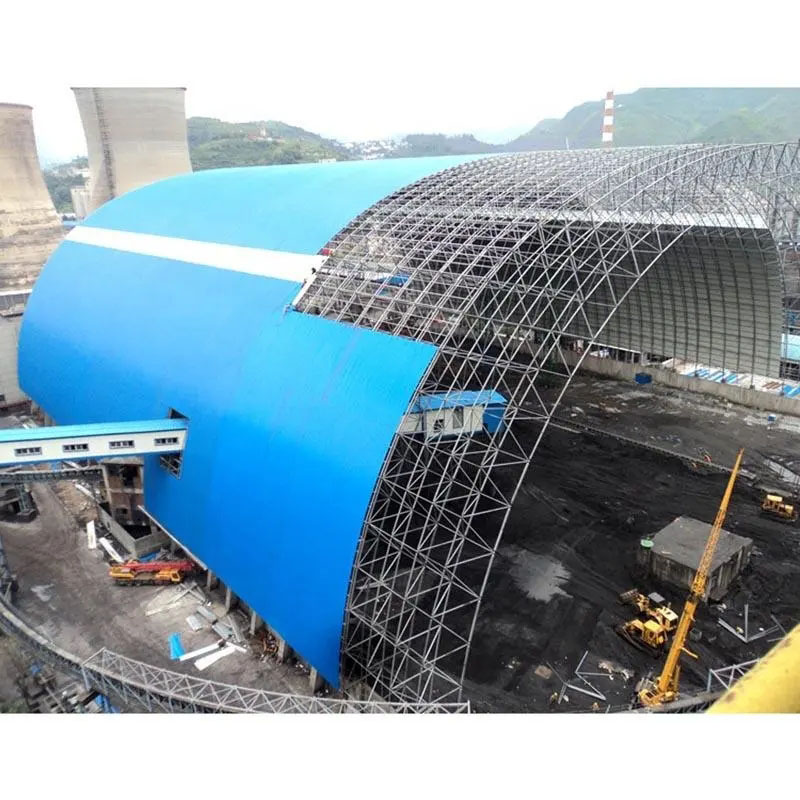
Table of Contents
- 1. Introduction to Coal Bunker
- 2. Coal Bunker Specifications and Key Parameters
- 3. Common Questions About Coal Bunker
- 4. Industry Trends and Conclusion
1. Introduction to Coal Bunker
Coal bunkers are essential industrial equipment designed for the storage, handling, and management of coal in large-scale operations. They play a critical role in ensuring uninterrupted fuel supply for power plants, manufacturing facilities, and other heavy industries. A coal bunker provides a controlled environment to store coal safely, protect it from moisture, and facilitate efficient loading and unloading processes. This article aims to provide a complete understanding of coal bunkers, covering specifications, operational considerations, common questions, and industry practices to enhance coal management efficiency.
2. Coal Bunker Specifications and Key Parameters
Coal bunkers come in various sizes and capacities depending on the industry requirements. The design and material selection are crucial to ensure durability, safety, and operational efficiency. Below is a table summarizing typical specifications of industrial coal bunkers:
| Parameter | Description |
|---|---|
| Capacity | 5 to 100 tons (customizable based on industrial needs) |
| Material | High-quality carbon steel, stainless steel, or reinforced concrete |
| Dimensions | Length: 2–10m, Width: 1–5m, Height: 1.5–6m |
| Design Type | Hopper, vertical, sloped bottom, or modular type |
| Discharge Method | Gravity feed, screw conveyor, or pneumatic system |
| Surface Treatment | Anti-corrosion coating, paint, or galvanization |
| Temperature Range | -20°C to 80°C for safe coal storage |
The choice of parameters depends on the specific requirements of the facility, such as coal type, storage duration, and handling methods. Proper selection ensures optimal performance and minimizes operational risks.
3. Common Questions About Coal Bunker
Q1: How to choose the right coal bunker for industrial use?
A1: Choosing the correct coal bunker requires considering capacity requirements, material type, space constraints, and the type of coal being handled. Facilities should evaluate peak consumption rates and storage duration to determine the ideal size and design. Durability and corrosion resistance are critical, especially for long-term storage and heavy-duty applications.
Q2: How to maintain a coal bunker for safe and efficient operation?
A2: Regular maintenance involves inspecting the structural integrity, cleaning out coal residues, checking for corrosion, and ensuring the discharge system operates smoothly. Scheduled preventive maintenance reduces the risk of blockages, coal degradation, and safety hazards. Protective coatings and moisture management also extend the life of the bunker.
Q3: How to optimize coal discharge from a bunker?
A3: Optimizing coal discharge requires using appropriate discharge methods such as gravity feed, screw conveyors, or pneumatic systems. Ensuring correct hopper angles and unobstructed pathways prevents clogging. Installing sensors and automated control systems helps maintain a consistent flow, reducing downtime and operational costs.
4. Industry Trends and Conclusion
With increasing energy demands and industrial efficiency requirements, coal bunkers are evolving to include more automation, safety features, and environmental compliance. Integration with smart monitoring systems allows real-time tracking of coal levels, temperature, and humidity, which improves operational planning and reduces wastage. Modular and scalable designs are becoming more popular for flexible storage solutions in various industrial applications.
Lano Machinery offers a range of high-quality coal bunkers designed to meet diverse industrial requirements. Their solutions combine durability, efficiency, and innovative design to optimize coal storage and handling. For detailed inquiries or customized solutions, contact us directly to explore how Lano Machinery can support your operational needs.