

How to Install an Aluminium Alloy Hub Center Ring Without Causing Hub Damage
2026-04-15
Installing an Aluminium Alloy Hub Center Ring correctly is essential for achieving a perfect wheel-to-hub fitment, especially when using aftermarket wheels. A poorly installed Aluminium Alloy Hub Center Ring can lead to vibration, uneven tire wear, and even permanent damage to your vehicle’s hub flange. At J&W, we specialize in precision-engineered hub centric rings designed to protect your hubs while delivering a smooth, safe ride. Below is a professional, step-by-step guide to installation without causing hub damage.
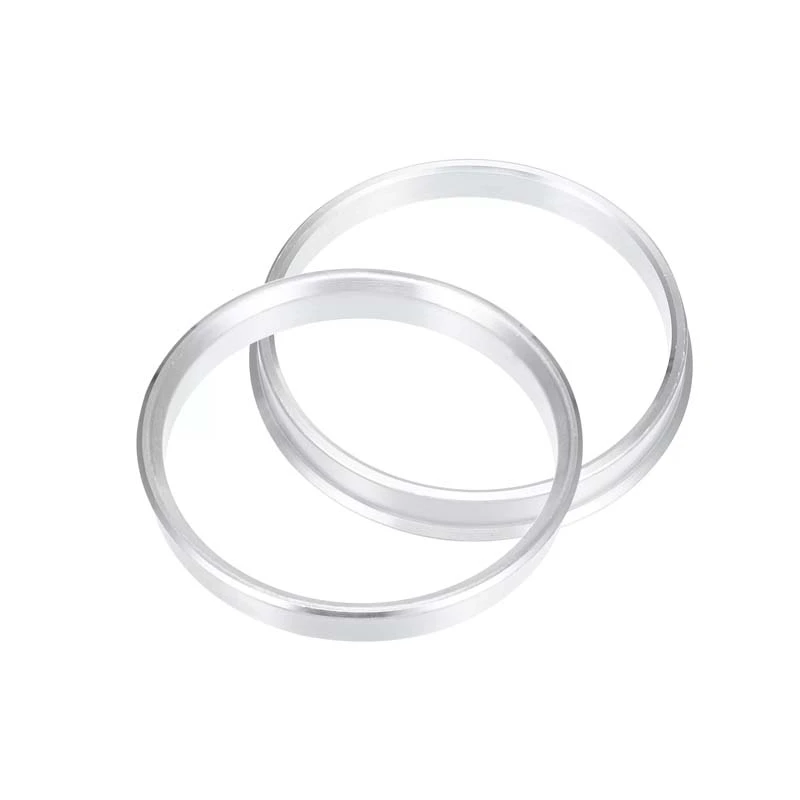
Tools and Materials Needed
| Item | Purpose |
|---|---|
| J&W Aluminium Alloy Hub Center Ring | Corrects wheel bore to hub diameter |
| Micrometer or digital caliper | Verify hub and ring dimensions |
| Wire brush or fine sandpaper | Clean hub surface |
| Non-abrasive cloth | Remove dust and debris |
| Anti-seize lubricant (optional) | Prevent galvanic corrosion |
Step-by-Step Installation Guide
-
Clean the Hub Thoroughly
Use a wire brush and cloth to remove rust, dirt, or old adhesive from the hub flange. Any debris can misalign the Aluminium Alloy Hub Center Ring and cause scratching. -
Measure Before Fitting
Confirm the inner diameter of the ring matches your hub’s outer diameter using a caliper. J&W rings are CNC-machined to tight tolerances, but verification prevents force-fitting. -
Apply Anti-Seize (Optional but Recommended)
A thin layer on the hub surface helps future removal and prevents aluminum-to-steel corrosion. Avoid excess – it should not enter the bolt holes. -
Hand-Press the Ring into the Wheel Bore
Place the Aluminium Alloy Hub Center Ring into the back of the aftermarket wheel bore. Press evenly with your palms. Never use a hammer or impact tool – this deforms the ring and damages the hub. -
Mount the Wheel Carefully
Lift the wheel onto the hub studs. The ring should slide gently over the hub flange. If resistance is felt, remove the wheel and check for burrs or misalignment. -
Torque Lug Nuts in Stages
Tighten lug nuts to manufacturer specs using a star pattern. Proper torque ensures the ring centers the wheel without lateral pressure on the hub face.
Common Mistakes That Damage Hubs
| Mistake | Consequence |
|---|---|
| Hammering the ring into place | Hub flange deformation, ring cracking |
| Skipping hub cleaning | Abrasive particles scratch hub surface |
| Using plastic rings with aluminium wheels | Galvanic corrosion or ring melting under heat |
| Over-torquing lug nuts | Hub warping, uneven ring seating |
Aluminium Alloy Hub Center Ring FAQ
What happens if the Aluminium Alloy Hub Center Ring does not fit snugly into the wheel bore
A loose ring will fail to center the wheel, causing vibrations at highway speeds and uneven lug nut loading. Over time, this can ovalize the hub flange. Always use a J&W Aluminium Alloy Hub Center Ring machined specifically for your wheel bore and hub diameter.
Can I reuse an Aluminium Alloy Hub Center Ring after removing the wheel
Yes, provided the ring is not cracked, warped, or corroded. Inspect the inner and outer edges for dents. Clean it with a soft cloth before reinstallation. J&W rings are made from high-grade aluminium alloy and typically last through many wheel removals if handled properly.
Why does my Aluminium Alloy Hub Center Ring make noise after installation
Noise usually indicates the ring is not fully seated or the hub surface is uneven. Remove the wheel, re-clean the hub, and reinstall the ring ensuring it clicks or sits flush inside the wheel bore. If noise persists, measure the hub – previous damage may require professional resurfacing.
Final Professional Advice
Following this guide protects your vehicle’s hubs and extends the life of your wheels. J&W designs every Aluminium Alloy Hub Center Ring with exacting CNC tolerances to eliminate guesswork. Proper installation is quick, tool-free for the ring itself, and preserves factory hub integrity.
Contact us today at J&W for custom sizing, bulk orders, or technical support – our team provides fitment verification within 24 hours. Drive safe, drive centered.