

How to Choose the Right Stainless Steel Pipe for Long-Term Industrial Performance?
2026-07-07
Article Summary
Selecting the right stainless steel pipe is one of the most important decisions for any industrial project. Whether the application involves water transportation, food processing, chemical manufacturing, oil and gas systems, marine engineering, or architectural construction, the quality of the stainless steel pipe directly affects safety, durability, maintenance costs, and operational efficiency.
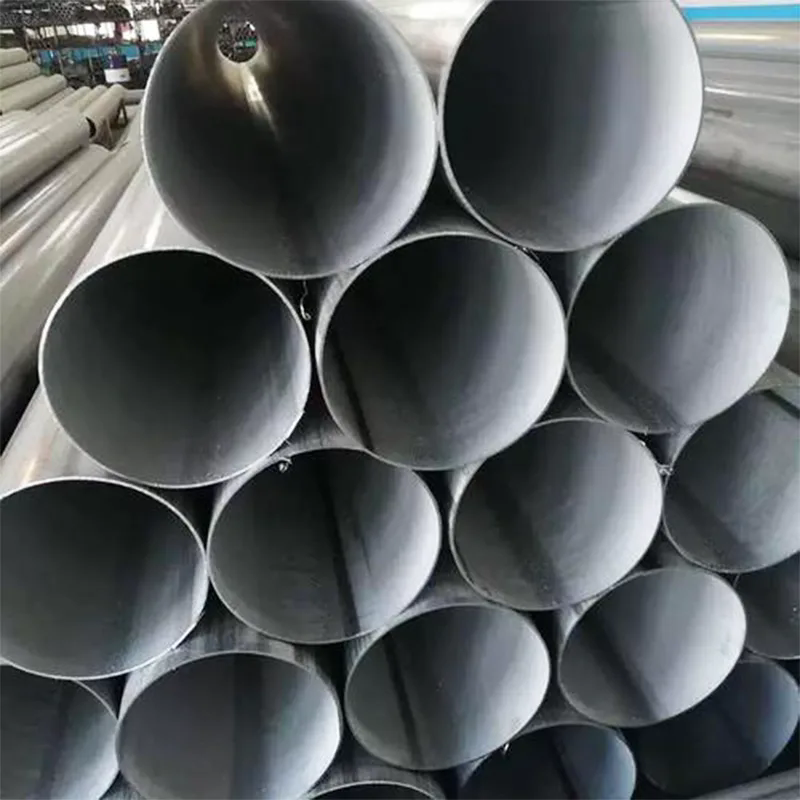
This guide explains how to evaluate stainless steel pipes from multiple perspectives, including material grades, manufacturing methods, corrosion resistance, surface finish, dimensions, quality inspection, and supplier selection. It also discusses common purchasing mistakes and practical solutions to help buyers make informed decisions. Throughout the article, you will also learn why many international customers choose Lingchuang as a reliable manufacturing partner.
Table of Contents
- Article Outline
- Why Stainless Steel Pipe Matters
- Understanding Different Types
- Choosing the Right Material Grade
- Applications Across Industries
- How to Select the Right Stainless Steel Pipe
- Common Purchasing Mistakes
- Why Supplier Selection Matters
- Why Choose Lingchuang
- Frequently Asked Questions
- Conclusion
Article Outline
- Introduction to stainless steel pipe
- Main categories and manufacturing methods
- Material grades and corrosion resistance
- Industrial applications
- Key buying considerations
- Common buyer mistakes
- How to evaluate manufacturers
- Benefits of working with Lingchuang
- Frequently asked questions
- Final recommendations
Why Stainless Steel Pipe Matters
Modern industries demand piping systems that can withstand pressure, corrosion, high temperatures, and challenging environments without frequent maintenance. Stainless steel pipe has become one of the most trusted solutions because it combines excellent mechanical strength with outstanding corrosion resistance.
Unlike ordinary carbon steel pipes, stainless steel pipes maintain their structural integrity for many years even when exposed to moisture, chemicals, steam, or seawater. Their long service life significantly reduces replacement frequency and maintenance costs, making them an economical investment despite the higher initial purchase price.
In industries where hygiene is essential, such as pharmaceuticals, food processing, dairy production, and beverage manufacturing, stainless steel pipe is often the preferred choice because its smooth surface minimizes bacterial growth and is easy to clean.
Understanding Different Types of Stainless Steel Pipe
Before purchasing, buyers should understand the main classifications of stainless steel pipe.
Seamless Stainless Steel Pipe
- Manufactured without welded joints
- Higher pressure resistance
- Excellent mechanical strength
- Ideal for critical industrial applications
Welded Stainless Steel Pipe
- Produced by rolling stainless steel plates and welding the seam
- Cost-effective solution
- Suitable for medium-pressure systems
- Available in larger diameters
Both products have their advantages. The selection depends on pressure requirements, budget, operating conditions, and project specifications.
Choosing the Right Material Grade
Material selection is one of the most important purchasing decisions. Different stainless steel grades offer varying levels of corrosion resistance, strength, and cost.
The most commonly used grades include:
- 304 Stainless Steel – Excellent general corrosion resistance and suitable for food processing, water treatment, and architectural applications.
- 316 Stainless Steel – Contains molybdenum, providing superior resistance to chlorides and marine environments.
- 321 Stainless Steel – Better performance under high-temperature conditions.
- 310S Stainless Steel – Excellent oxidation resistance for high-temperature furnaces and heat treatment equipment.
Choosing the correct grade helps maximize equipment lifespan while avoiding unnecessary costs associated with over-specification.
Applications Across Industries
The versatility of stainless steel pipe allows it to serve a wide range of industries worldwide.
Oil and Gas
- Transportation pipelines
- Refining equipment
- Offshore platforms
Chemical Industry
- Chemical transportation
- Reaction systems
- Corrosion-resistant processing equipment
Food Processing
- Milk production
- Beverage manufacturing
- Food-grade conveying systems
Water Treatment
- Municipal water supply
- Industrial wastewater treatment
- Desalination facilities
Construction
- Structural supports
- Decorative railings
- Curtain wall systems
Marine Engineering
- Shipbuilding
- Dock facilities
- Offshore engineering
How to Select the Right Stainless Steel Pipe
Choosing the appropriate stainless steel pipe involves much more than comparing prices. Professional buyers usually evaluate several technical factors before making a purchasing decision.
1. Understand the Working Environment
Identify operating temperature, pressure, chemical exposure, humidity, and environmental conditions before selecting pipe specifications.
2. Determine the Correct Pipe Size
- Outside diameter
- Wall thickness
- Length
- Pressure rating
Incorrect sizing may reduce system efficiency or increase installation costs.
3. Evaluate Surface Finish
- Pickled surface
- Polished surface
- Mirror finish
- Brushed finish
Different industries require different surface treatments depending on hygiene requirements and appearance.
4. Verify Manufacturing Standards
Always ensure products comply with internationally recognized manufacturing standards required by your market.
5. Check Quality Inspection Procedures
Reliable manufacturers conduct comprehensive inspections including:
- Dimensional inspection
- Chemical composition testing
- Mechanical property testing
- Hydrostatic testing
- Surface inspection
- Non-destructive testing
Common Purchasing Mistakes
Many buyers focus solely on unit price, which often results in significantly higher long-term operating costs.
Some of the most common mistakes include:
- Selecting an unsuitable material grade
- Ignoring corrosion conditions
- Choosing products without quality certification
- Purchasing from inexperienced suppliers
- Overlooking dimensional tolerances
- Not requesting inspection reports
- Ignoring delivery capability
Avoiding these mistakes can improve project reliability while reducing maintenance expenses.
Why Supplier Selection Matters
Even the highest-grade stainless steel material cannot compensate for poor manufacturing quality. An experienced supplier ensures consistency across every production stage, from raw material sourcing to final inspection.
When evaluating suppliers, consider:
- Manufacturing experience
- Production capacity
- Technical expertise
- Quality management system
- International export experience
- Customization capability
- After-sales support
- Stable delivery schedule
A trustworthy manufacturer becomes a long-term partner rather than simply a product supplier.
Why Choose Lingchuang
For global customers seeking dependable stainless steel pipe solutions, Lingchuang provides comprehensive manufacturing capabilities supported by strict quality management and professional technical service.
Lingchuang focuses on delivering products that meet demanding industrial requirements while maintaining consistent quality across every production batch.
Customers choose Lingchuang because of its commitment to:
- Stable product quality
- Advanced manufacturing equipment
- Comprehensive quality inspections
- Professional engineering support
- Customized production services
- Efficient international logistics
- Responsive customer service
- Long-term cooperation with global clients
Whether your project requires standard stainless steel pipes or customized industrial solutions, Lingchuang works closely with customers to provide products that match technical specifications and delivery schedules.
Frequently Asked Questions
Q1. What is the difference between 304 and 316 stainless steel pipe?
304 is suitable for most general applications, while 316 offers better corrosion resistance in marine and chemical environments because it contains molybdenum.
Q2. Which is better, seamless or welded stainless steel pipe?
Neither is universally better. Seamless pipes are preferred for high-pressure systems, while welded pipes are often more economical for standard industrial applications.
Q3. How long can stainless steel pipe last?
Under proper operating conditions and with correct material selection, stainless steel pipes can remain in service for several decades.
Q4. Is stainless steel pipe suitable for drinking water?
Yes. High-quality stainless steel pipes are widely used in potable water systems because of their cleanliness, durability, and corrosion resistance.
Q5. Can stainless steel pipe be customized?
Yes. Professional manufacturers can provide customized diameters, wall thicknesses, lengths, finishes, and packaging according to project requirements.
Conclusion
Selecting the appropriate stainless steel pipe requires careful consideration of material grade, manufacturing process, operating environment, quality standards, and supplier capability. A thoughtful purchasing strategy not only improves system reliability but also reduces maintenance costs throughout the product lifecycle.
Working with an experienced manufacturer allows buyers to receive consistent quality, technical support, and dependable delivery for projects of every scale. Whether your application involves construction, energy, water treatment, food processing, or heavy industry, choosing the right stainless steel pipe is a long-term investment in operational success.
Looking for premium stainless steel pipe solutions backed by professional manufacturing expertise? Lingchuang is ready to support your next project with reliable products, customized services, and responsive technical assistance. Contact us today to discuss your requirements and discover how we can help you achieve lasting performance and value.