

How to Choose the Right Stainless Steel Pipe for Industrial and Commercial Applications?
2026-03-09
Article Summary
Stainless steel pipe is widely used in construction, chemical processing, water treatment, food production, and energy industries because of its corrosion resistance, strength, and durability. However, selecting the correct stainless steel pipe involves more than simply choosing a size or material. Buyers must evaluate grade, manufacturing method, pressure tolerance, surface treatment, and application environment. This guide explains how stainless steel pipes work, how to select the right specifications, and how businesses can avoid common purchasing mistakes when sourcing pipes for industrial systems.
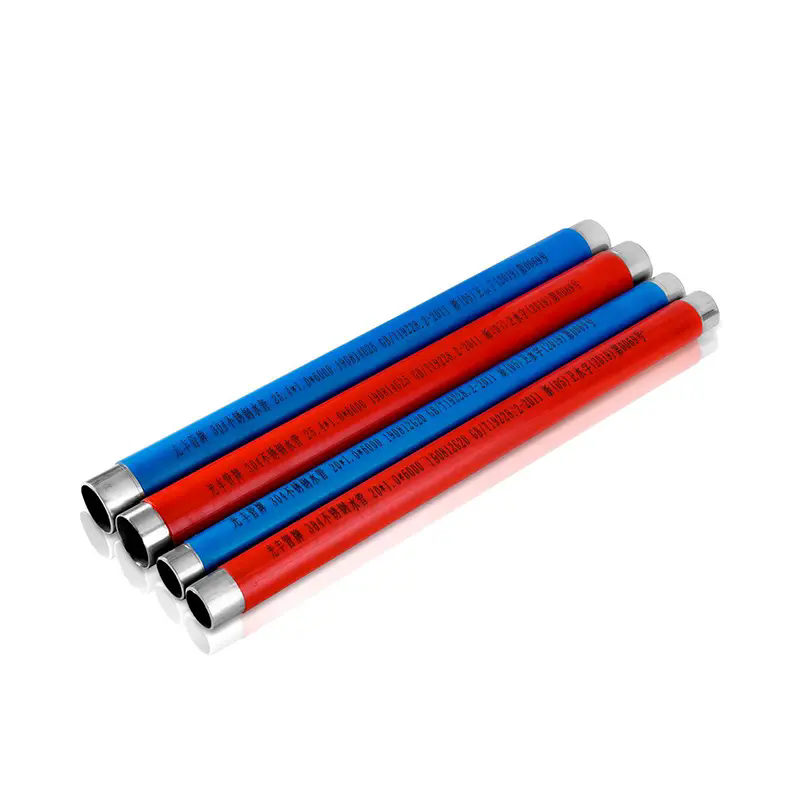
Table of Contents
- Understanding Stainless Steel Pipes
- Key Advantages of Stainless Steel Pipe
- Common Types of Stainless Steel Pipes
- How to Choose the Right Stainless Steel Pipe
- Typical Applications Across Industries
- Important Technical Parameters
- Common Problems and Solutions
- FAQ
Understanding Stainless Steel Pipes
A stainless steel pipe is a hollow cylindrical metal product manufactured from corrosion-resistant steel alloys containing chromium, nickel, and other elements. The presence of chromium forms a protective oxide layer on the metal surface, preventing rust and maintaining structural integrity even in harsh environments.
These pipes are widely used in systems that transport liquids, gases, or chemicals. Their reliability, long service life, and resistance to high temperatures make them essential components in modern infrastructure and industrial systems.
Manufacturers such as Guangfeng focus on producing stainless steel pipes that meet strict industry standards for dimensional accuracy, mechanical strength, and corrosion resistance. High-quality pipes ensure system safety and reduce long-term maintenance costs.
Key Advantages of Stainless Steel Pipe
Many industries prefer stainless steel pipes because they provide a combination of durability and performance that few materials can match.
- Corrosion Resistance – Stainless steel performs well in humid, acidic, and chemical environments.
- High Strength – The material withstands pressure and mechanical stress without deformation.
- Temperature Resistance – Suitable for both high-temperature and low-temperature applications.
- Long Service Life – Stainless steel pipes can remain functional for decades.
- Hygienic Surface – Smooth surfaces prevent contamination and are suitable for food and medical industries.
- Low Maintenance – Minimal upkeep is required compared with other piping materials.
These advantages make stainless steel pipes ideal for both structural and fluid transportation applications.
Common Types of Stainless Steel Pipes
Understanding different pipe types helps buyers choose products that meet project requirements.
1. Seamless Stainless Steel Pipe
Seamless pipes are produced by piercing a solid billet and expanding it into a hollow tube. Because they contain no welded seams, they offer superior pressure resistance and uniform structure.
2. Welded Stainless Steel Pipe
Welded pipes are formed by rolling stainless steel plates into a cylindrical shape and welding the seam. They are widely used for structural and low-pressure applications due to cost efficiency.
3. Polished Stainless Steel Pipe
Polished pipes have smooth surfaces and attractive finishes, making them suitable for decorative architecture, railings, and visible installations.
4. Industrial Stainless Steel Pipe
These pipes are designed for chemical plants, oil pipelines, and manufacturing facilities where durability and corrosion resistance are essential.
How to Choose the Right Stainless Steel Pipe
Selecting the correct stainless steel pipe requires careful evaluation of several factors. The following steps help buyers avoid costly mistakes.
Step 1: Determine the Application Environment
Consider whether the pipe will carry water, chemicals, gas, or steam. Corrosive environments may require higher-grade stainless steel such as 316 instead of 304.
Step 2: Select the Correct Grade
- 304 Stainless Steel – General industrial and commercial use
- 316 Stainless Steel – Better resistance to chemicals and marine environments
- 201 Stainless Steel – Lower cost option for decorative applications
Step 3: Choose Seamless or Welded Pipes
- High pressure systems → seamless pipes
- Structural applications → welded pipes
Step 4: Evaluate Size and Thickness
Pipe diameter and wall thickness determine pressure capacity and fluid flow. Larger pipelines often require thicker walls to maintain safety and durability.
Step 5: Verify Manufacturing Quality
Reliable suppliers such as Guangfeng perform strict inspections, including dimensional testing, chemical composition analysis, and pressure testing to ensure consistent product quality.
Typical Applications Across Industries
Stainless steel pipes are used in many industries due to their versatility and performance characteristics.
- Oil and gas transportation
- Chemical processing pipelines
- Water supply systems
- Food and beverage production lines
- Pharmaceutical manufacturing
- Construction structures and railings
- Heat exchanger systems
In modern infrastructure projects, stainless steel pipes are often selected because they combine strength with environmental resistance, reducing long-term operational risks.
Important Technical Parameters
| Parameter | Description |
|---|---|
| Material Grade | 304, 316, 201 and other stainless steel alloys |
| Outer Diameter | 6mm – 630mm depending on application |
| Wall Thickness | 0.5mm – 40mm |
| Manufacturing Method | Seamless or welded |
| Surface Finish | Pickled, polished, brushed, or mirror finish |
| Length | Standard 6m or customized |
| Standards | ASTM, AISI, DIN, JIS and other international standards |
These parameters help engineers select pipes that meet system pressure requirements, installation conditions, and long-term durability expectations.
Common Problems and Solutions
Problem 1: Corrosion Appears After Installation
- Cause: Incorrect material grade for the environment
- Solution: Use higher corrosion-resistant materials such as 316 stainless steel
Problem 2: Pipe Deformation Under Pressure
- Cause: Insufficient wall thickness
- Solution: Select pipes with greater thickness or seamless structure
Problem 3: Leakage at Joints
- Cause: Poor welding or improper installation
- Solution: Ensure professional welding and proper sealing methods
Proper material selection and professional installation greatly reduce these risks.
FAQ
Q1: What is the difference between stainless steel pipe and stainless steel tube?
Pipes are typically used for transporting fluids or gases and are defined by internal diameter, while tubes are often used for structural applications and measured by outer diameter.
Q2: Which stainless steel grade is best for outdoor environments?
316 stainless steel offers stronger corrosion resistance, making it suitable for coastal areas or environments exposed to chemicals and salt.
Q3: Are stainless steel pipes suitable for drinking water systems?
Yes. Stainless steel pipes are hygienic, corrosion resistant, and widely used in potable water systems.
Q4: How long do stainless steel pipes typically last?
With proper installation and maintenance, stainless steel pipes can remain functional for several decades, even in demanding industrial environments.
Conclusion
Choosing the right stainless steel pipe requires careful evaluation of material grade, pipe type, wall thickness, and application environment. High-quality stainless steel pipes improve system reliability, reduce maintenance costs, and ensure long-term operational safety.
As a professional manufacturer, Guangfeng provides durable stainless steel pipe solutions designed for industrial pipelines, construction projects, and specialized engineering systems. With advanced production technology and strict quality control, the company supports global customers with reliable pipe products.
If you are planning a new project or searching for a dependable stainless steel pipe supplier, contact us to receive professional guidance, technical specifications, and customized solutions for your application.