
How to Choose the Right Curtain Wall Steel Materials for Modern Building Facades?
2026-03-10
Article Summary
Curtain wall systems are widely used in modern architecture, especially in commercial buildings and high-rise structures. Selecting appropriate curtain wall steel materials is critical for ensuring structural stability, durability, corrosion resistance, and long-term safety. Steel components often serve as the structural framework that supports glass panels, aluminum cladding, and other façade elements.
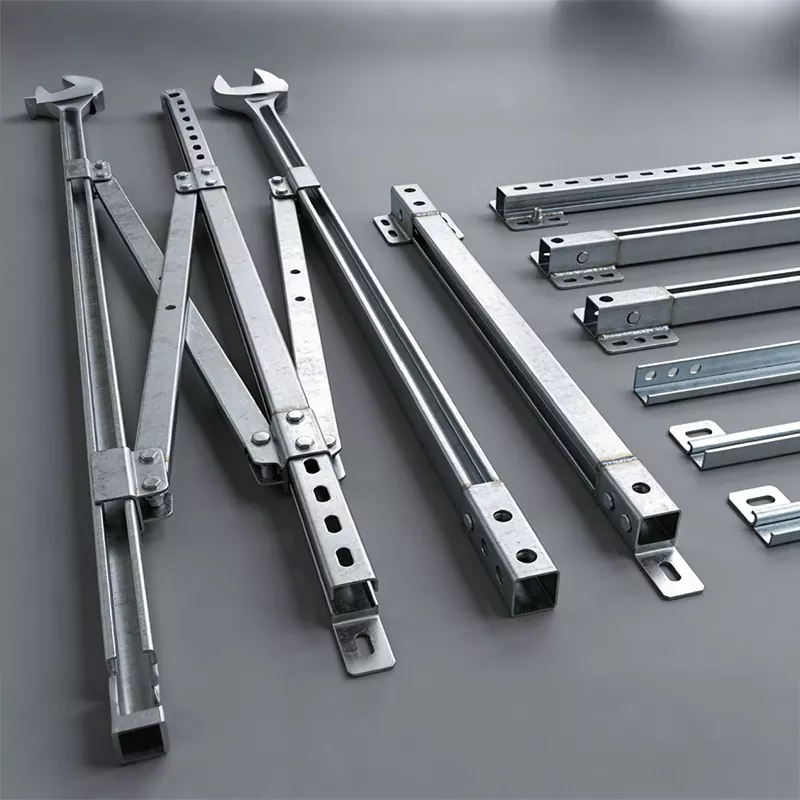
This article explains how curtain wall steel materials work, what types are commonly used, and how architects, contractors, and project owners can select suitable materials for their projects. It also outlines key parameters, common challenges, and practical solutions for building façade systems.
Table of Contents
- Introduction to Curtain Wall Steel Materials
- Why Steel Is Essential in Curtain Wall Systems
- Main Types of Curtain Wall Steel Materials
- Key Parameters When Selecting Curtain Wall Steel
- Comparison Table of Common Steel Materials
- How to Choose the Right Curtain Wall Steel Materials
- Common Problems and Practical Solutions
- Frequently Asked Questions
- Conclusion
Introduction to Curtain Wall Steel Materials
Curtain walls are non-load-bearing exterior façade systems attached to a building’s structural frame. Unlike traditional walls, curtain walls do not support floors or roofs; instead, they act as protective skins that shield buildings from wind, rain, and environmental conditions. :contentReference[oaicite:0]{index=0}
Although curtain walls often feature glass or aluminum panels, steel materials play a critical structural role. Steel components are used in:
- Structural support frames
- Mullions and transoms
- Connection brackets
- Anchoring systems
- Reinforcement members
Steel is widely used because it provides high strength, durability, and stability. Structural steel members help curtain walls withstand wind loads, seismic forces, and temperature changes while maintaining façade integrity. :contentReference[oaicite:1]{index=1}
Why Steel Is Essential in Curtain Wall Systems
Steel plays a vital role in curtain wall construction because of several important engineering advantages:
- High Strength-to-Weight Ratio – Steel provides excellent structural support with relatively thin sections.
- Load Resistance – It withstands wind pressure and structural movement in tall buildings.
- Design Flexibility – Steel can be fabricated into custom shapes for complex façade systems.
- Fire Resistance – Certain steel curtain wall systems can support fire-rated glazing.
- Durability – Proper coatings and treatments enhance corrosion resistance and lifespan.
Because curtain walls are exposed to environmental stress, steel reinforcement is often used to strengthen mullions and framing systems in large façade panels. :contentReference[oaicite:2]{index=2}
Main Types of Curtain Wall Steel Materials
Different projects require different steel materials depending on structural requirements, environmental conditions, and architectural design.
1. Carbon Structural Steel
- Commonly used for structural framing
- High strength and cost-effective
- Requires protective coating or galvanization
2. Stainless Steel
- Excellent corrosion resistance
- Used for visible façade components
- Popular grades: 304 and 316
3. Galvanized Steel
- Zinc coating protects against rust
- Suitable for outdoor structural supports
- Widely used in brackets and connectors
4. Weathering Steel
- Forms protective oxide layer
- Requires minimal maintenance
- Often used in architectural designs
5. Aluminized Steel
- Steel coated with aluminum for improved corrosion resistance
- Provides good heat resistance and durability
These materials are selected according to building standards and engineering requirements to ensure structural safety and long-term performance. :contentReference[oaicite:3]{index=3}
Key Parameters When Selecting Curtain Wall Steel
When choosing curtain wall steel materials, several technical parameters must be considered.
- Material strength grade
- Corrosion resistance
- Surface treatment
- Thickness and load capacity
- Fire resistance requirements
- Environmental conditions
- Compatibility with other façade materials
Engineering teams must evaluate these parameters carefully to avoid structural deformation, corrosion damage, or installation problems during long-term building operation.
Comparison Table of Common Curtain Wall Steel Materials
| Steel Type | Main Features | Typical Applications | Advantages |
|---|---|---|---|
| Carbon Steel | High strength structural steel | Frame structures | Cost-effective and strong |
| Stainless Steel | Corrosion resistant | Exterior decorative components | Durable and attractive finish |
| Galvanized Steel | Zinc-coated steel | Brackets and connectors | Excellent rust protection |
| Weathering Steel | Protective oxide layer | Architectural facades | Low maintenance |
| Aluminized Steel | Aluminum-coated steel | Exterior structural components | High heat and corrosion resistance |
How to Choose the Right Curtain Wall Steel Materials
Selecting suitable steel materials requires a combination of architectural planning, structural engineering analysis, and environmental assessment.
Step 1: Evaluate Building Height and Load Requirements
High-rise buildings require stronger steel reinforcement to withstand wind loads and structural movement.
Step 2: Consider Environmental Conditions
Buildings near coastal areas or industrial zones require corrosion-resistant materials such as stainless steel or galvanized steel.
Step 3: Analyze Design Requirements
Architectural appearance may require exposed stainless steel panels or decorative steel components.
Step 4: Verify Compliance with Standards
Steel materials used in curtain walls must comply with construction material standards and structural specifications.
Step 5: Work With Reliable Manufacturers
High-quality suppliers ensure consistent material performance, accurate fabrication, and reliable delivery schedules.
Common Problems and Practical Solutions
Problem 1: Steel Corrosion
- Cause: Humidity or chemical exposure
- Solution: Use galvanized or stainless steel materials
Problem 2: Structural Deformation
- Cause: Insufficient material strength
- Solution: Upgrade steel grade and reinforce mullions
Problem 3: Installation Misalignment
- Cause: Inaccurate fabrication or measurement
- Solution: Use precision manufacturing and detailed engineering drawings
Frequently Asked Questions
Q1: What steel is most commonly used in curtain wall structures?
Carbon structural steel and galvanized steel are commonly used because they offer strong structural support and cost efficiency.
Q2: Why is stainless steel used in curtain wall systems?
Stainless steel provides excellent corrosion resistance and aesthetic appearance, making it suitable for exposed façade components.
Q3: Are steel curtain wall systems suitable for high-rise buildings?
Yes. Steel’s high strength makes it ideal for tall structures where curtain walls must resist significant wind pressure and structural movement.
Q4: How long do curtain wall steel materials typically last?
With proper surface treatment and maintenance, steel curtain wall components can last several decades in modern building systems.
Conclusion
Curtain wall steel materials are essential components of modern building façade systems. They provide the structural backbone that supports glass panels, aluminum cladding, and architectural features while ensuring durability, safety, and design flexibility.
Choosing the right steel material requires careful consideration of structural requirements, environmental conditions, corrosion resistance, and long-term performance. High-quality manufacturing and proper engineering design are critical factors in achieving reliable curtain wall systems.
Shunchen factory specializes in manufacturing curtain wall steel materials designed for modern construction projects. With advanced fabrication technology and strict quality control, the company provides reliable solutions for architectural façade systems worldwide.
If you are looking for durable curtain wall steel materials for your project, feel free to explore the product solutions and contact us to receive professional support and customized quotations.