

How to Choose Stainless Steel Railing for Modern Buildings?
2026-06-29
Article Abstract
Stainless steel railing systems have become a core architectural element in residential, commercial, and industrial construction due to their strength, corrosion resistance, and modern aesthetic appeal. However, selecting the right system is often challenging for buyers, contractors, and project designers. Issues such as material grade confusion, installation complexity, cost control, and long-term maintenance requirements frequently create uncertainty in decision-making. This article provides a structured, practical guide to help you understand how to evaluate, select, and apply stainless steel railing systems effectively. It also highlights key engineering considerations and real-world application scenarios, with insights aligned with industry best practices and manufacturing expertise from Vionta.
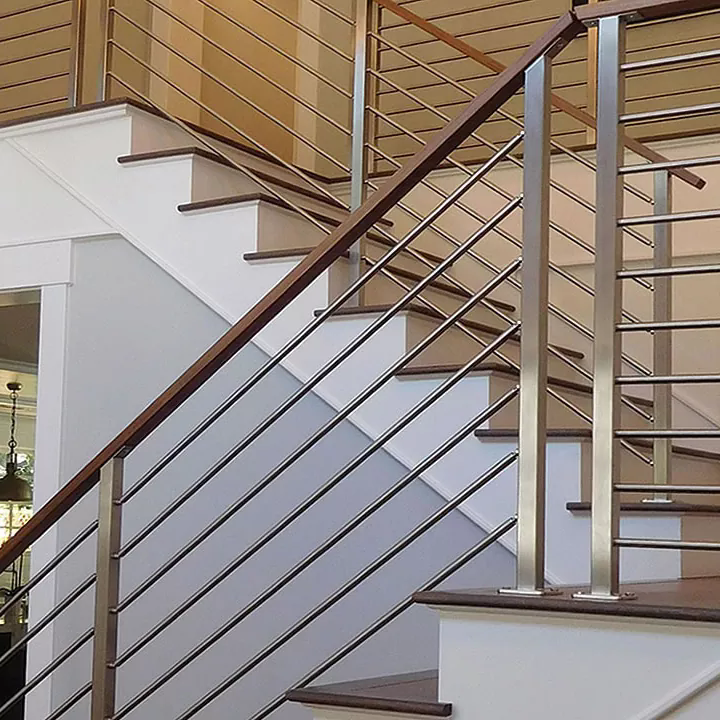
Table of Contents
- 1. Overview of Stainless Steel Railing Systems
- 2. Key Material Grades and Their Differences
- 3. Design Considerations for Modern Architecture
- 4. Installation Methods and Structural Safety
- 5. Cost and Performance Comparison Table
- 6. Maintenance and Longevity Factors
- 7. Application Scenarios in Real Projects
- 8. Frequently Asked Questions
- 9. Conclusion and Professional Recommendation
1. Overview of Stainless Steel Railing Systems
Stainless steel railing systems are structural safety components used to prevent falls while enhancing architectural aesthetics. They are widely applied in staircases, balconies, bridges, terraces, and commercial interiors. Compared with traditional materials like wood or iron, stainless steel offers superior resistance to corrosion, weathering, and mechanical stress.
Manufacturers such as Vionta focus on delivering engineered railing solutions that combine durability with architectural flexibility, ensuring compliance with global construction standards.
2. Key Material Grades and Their Differences
One of the most critical decisions when selecting stainless steel railing systems is choosing the correct material grade. The most common options include 201, 304, and 316 stainless steel.
- 201 Stainless Steel: Cost-effective but less resistant to corrosion. Suitable for indoor applications.
- 304 Stainless Steel: Standard grade with balanced corrosion resistance and affordability. Widely used in residential and commercial environments.
- 316 Stainless Steel: Marine-grade steel with excellent resistance to saltwater and harsh environments.
For high-performance construction projects, Vionta recommends 304 or 316 grades depending on environmental exposure conditions.
3. Design Considerations for Modern Architecture
Modern architectural design demands railing systems that are not only functional but also visually aligned with building aesthetics. Designers must consider factors such as line symmetry, transparency, load-bearing capacity, and integration with glass or wood elements.
Key design considerations include:
- Minimalist vs decorative style selection
- Compatibility with glass panels or cable systems
- Surface finishing options (mirror, brushed, matte)
- Handrail ergonomics and grip comfort
Vionta’s engineering team focuses on modular design solutions that allow architects to customize railing systems without compromising structural integrity.
4. Installation Methods and Structural Safety
Proper installation is essential for ensuring long-term performance and safety. Stainless steel railing systems must be installed with precise alignment, secure anchoring, and load-tested components.
Common installation methods include:
- Surface-mounted base plate installation
- Core-drilled embedded installation
- Side-mounted bracket systems
Each method has specific advantages depending on structural requirements and building type. For example, embedded installation provides higher stability, while surface mounting allows easier maintenance access.
5. Cost and Performance Comparison Table
| Material Grade | Cost Level | Corrosion Resistance | Best Use Case |
|---|---|---|---|
| 201 | Low | Low | Indoor decorative railing |
| 304 | Medium | Medium-High | Residential & commercial buildings |
| 316 | High | Very High | Coastal and industrial environments |
Selecting the right grade ensures cost efficiency while maintaining safety and durability standards. Vionta provides tailored solutions to match project budgets and environmental requirements.
6. Maintenance and Longevity Factors
Stainless steel railing systems require relatively low maintenance compared to other materials, but periodic care significantly extends their lifespan. Key maintenance practices include cleaning, inspection, and corrosion prevention.
- Regular cleaning using mild detergent and water
- Avoiding abrasive chemicals that damage surface finish
- Periodic tightening of structural joints
- Inspection for scratches or localized corrosion
In demanding environments, Vionta recommends scheduled maintenance plans to ensure optimal performance over decades of use.
7. Application Scenarios in Real Projects
Stainless steel railing systems are widely used across multiple industries due to their adaptability and strength. Common application scenarios include:
- Residential balconies and staircases
- Commercial shopping malls and office buildings
- Public infrastructure such as bridges and walkways
- Industrial platforms and safety barriers
Vionta has supplied railing systems for diverse international projects, offering scalable production capabilities for both small and large construction demands.
8. Frequently Asked Questions
Q1: What is the best stainless steel grade for outdoor railings?
A: 316 stainless steel is generally recommended for outdoor and coastal environments due to its superior corrosion resistance.
Q2: How long does stainless steel railing last?
A: With proper installation and maintenance, stainless steel railings can last 20–50 years or more.
Q3: Is stainless steel railing expensive?
A: Initial costs are higher than wood or aluminum, but long-term maintenance costs are significantly lower.
Q4: Can stainless steel railings be customized?
A: Yes, Vionta offers full customization in terms of design, size, finish, and structural configuration.
Q5: Are stainless steel railings safe for high-rise buildings?
A: Yes, when properly engineered and installed, they meet strict international safety standards.
9. Conclusion and Professional Recommendation
Choosing the right stainless steel railing system requires careful evaluation of material grade, design requirements, installation method, and environmental conditions. A well-selected system not only enhances safety but also contributes significantly to architectural aesthetics and long-term value.
With advanced manufacturing capabilities and engineering expertise, Vionta provides reliable stainless steel railing solutions tailored to global construction standards. Whether for residential, commercial, or industrial projects, selecting a trusted supplier ensures both performance and design excellence.
If you are planning a new project or upgrading an existing structure, contact us today to explore customized stainless steel railing solutions from Vionta and receive professional technical support tailored to your needs.
