

How to Choose and Use Stainless Steel Pipe Elbows in Industrial Applications?
2026-01-05
Article Summary: Stainless steel pipe elbows are crucial components in piping systems, facilitating directional changes in fluid and gas transport. This comprehensive guide explains specifications, types, installation procedures, maintenance strategies, and answers common questions to ensure optimal performance and durability in industrial applications.
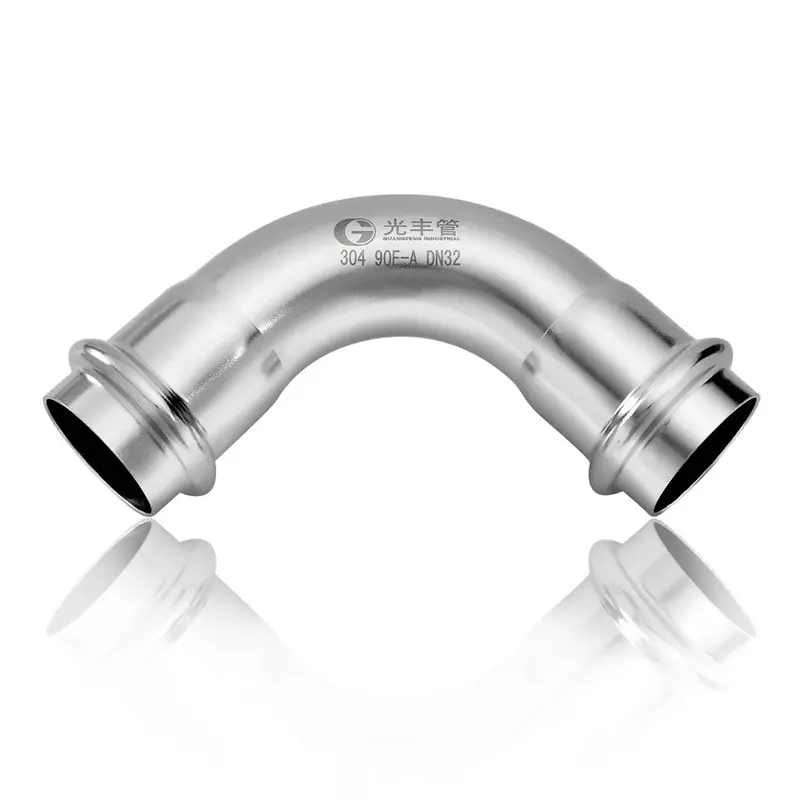
1. Introduction to Stainless Steel Pipe Elbows
Stainless steel pipe elbows are essential fittings used to change the direction of piping systems in industrial, commercial, and residential applications. They are designed to withstand high pressure, temperature, and corrosive environments. The primary purpose of this article is to guide engineers, procurement managers, and installers in selecting the correct type of stainless steel elbow, understanding technical specifications, and applying best practices for installation and maintenance.
These components are widely used in petrochemical, water treatment, HVAC, and manufacturing industries, providing durability, reliability, and consistent performance in demanding environments.
2. Types, Specifications, and Material Properties
Stainless steel pipe elbows vary in form, material grade, and connection type. Selecting the correct type ensures system efficiency, leak prevention, and longevity. Below is a detailed breakdown of the most relevant parameters:
| Parameter | Description | Common Values |
|---|---|---|
| Material Grade | Defines corrosion resistance and mechanical properties | 304, 316, 321, 310S |
| Connection Type | Indicates method of attachment to pipes | Butt-weld, Socket-weld, Threaded |
| Elbow Angle | Specifies the directional change of the pipe | 45°, 90°, 180° |
| Pipe Size | Diameter of the pipe that fits the elbow | DN15–DN600 |
| Wall Thickness | Determines pressure rating and mechanical strength | Schedule 10–160 |
| Surface Finish | Affects corrosion resistance and flow efficiency | Polished, Pickled, Passivated |
Elbows can be classified as long-radius (LR) or short-radius (SR) depending on the radius in relation to the pipe diameter. Material selection should consider chemical exposure, temperature, and mechanical stress in the system.
3. Installation, Maintenance, and Troubleshooting
Proper installation of stainless steel pipe elbows ensures safety and operational efficiency. Key considerations include:
- Alignment: Ensure proper orientation to prevent stress on connected pipes.
- Welding Procedures: Follow recommended welding techniques for the specific grade to avoid cracking or corrosion.
- Support Systems: Use adequate supports to prevent sagging or displacement.
- Leak Testing: Conduct hydrostatic or pneumatic testing post-installation.
Routine maintenance includes visual inspections, checking for pitting or corrosion, and monitoring flow efficiency. Common troubleshooting issues involve joint leakage, misalignment, or mechanical damage. Addressing these promptly can prevent system failure and extend the service life of the elbow fittings.
4. Common Questions About Stainless Steel Pipe Elbows
Q1: What are the main differences between 304 and 316 stainless steel elbows?
A1: 304 stainless steel offers good corrosion resistance for general applications, while 316 contains molybdenum for higher resistance to chlorides and acidic environments, making it suitable for marine and chemical processing systems.
Q2: How can one determine the correct elbow radius for a piping system?
A2: The radius is determined by system requirements. Long-radius elbows (1.5×pipe diameter) reduce pressure drop and turbulence, while short-radius elbows (1×pipe diameter) save space but increase flow resistance. System design codes and engineering standards should be followed.
Q3: What maintenance procedures extend the lifespan of stainless steel pipe elbows?
A3: Regular inspection for corrosion, proper cleaning of internal and external surfaces, monitoring mechanical stresses, and immediate repair of leaks or dents can significantly prolong service life.
5. Conclusion and Contact
Choosing the appropriate stainless steel pipe elbow is crucial for the safety, reliability, and efficiency of any piping system. By understanding material grades, specifications, installation best practices, and maintenance strategies, industrial engineers and contractors can ensure optimal system performance. Guangfeng provides high-quality stainless steel pipe elbows that meet international standards and offer consistent performance across various industrial applications. For further inquiries, technical support, or to place an order, please contact us.