

How to Choose and Use Stainless Steel Pipe Elbows Effectively?
2025-12-31
Abstract: Stainless steel pipe elbows are critical components in piping systems, designed to change the direction of flow while maintaining structural integrity and corrosion resistance. This article explores detailed specifications, practical applications, installation guidelines, and common troubleshooting scenarios for stainless steel pipe elbows. The focus is on guiding engineers, procurement specialists, and industry professionals in selecting, utilizing, and maintaining these fittings efficiently.
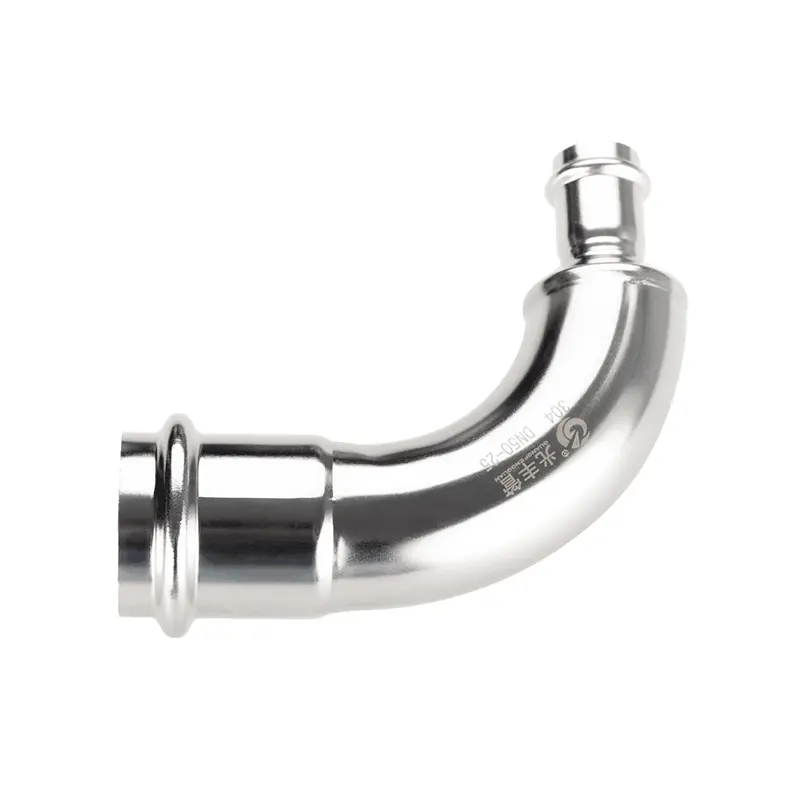
Table of Contents
- Introduction to Stainless Steel Pipe Elbows
- Technical Specifications and Product Parameters
- Installation, Maintenance, and Usage Guidelines
- Common Questions About Stainless Steel Pipe Elbows
- Conclusion and Contact Information
Introduction to Stainless Steel Pipe Elbows
Stainless steel pipe elbows are essential fittings used to redirect the flow of liquids, gases, or slurries within a piping system. Available in various angles, typically 45° and 90°, these elbows are manufactured to meet rigorous industrial standards. The material, stainless steel, ensures excellent resistance to corrosion, high temperature, and pressure variations, making these elbows suitable for chemical plants, oil and gas pipelines, food processing, and water treatment systems.
This article aims to provide a comprehensive guide on selecting the right stainless steel pipe elbows, understanding their parameters, implementing installation techniques, and resolving common operational issues.
Technical Specifications and Product Parameters
Understanding the specifications of stainless steel pipe elbows is critical to ensuring compatibility and performance within any piping network. Below is a detailed table of typical parameters:
| Parameter | Description |
|---|---|
| Material Grade | 304, 316, 321 stainless steel (ASTM A403/A234) |
| Angle Types | 45°, 90°, 180° |
| Diameter Range | 1/2" to 48" (DN15 to DN1200) |
| Wall Thickness | Schedule 5S to Schedule 160 |
| End Type | Butt-welded, Socket-welded, Threaded |
| Surface Finish | Polished, Satin, Pickled & Passivated |
| Standard Compliance | ASME B16.9, ASTM, ISO, DIN |
Installation, Maintenance, and Usage Guidelines
How to Select the Right Stainless Steel Pipe Elbow for Specific Applications?
Selection depends on operating pressure, temperature, chemical compatibility, and pipe diameter. Ensure the material grade aligns with the fluid’s corrosiveness and system pressure ratings. For high-temperature systems, 316 or 321 grades are recommended due to enhanced heat resistance.
How to Install Stainless Steel Pipe Elbows Properly?
Before installation, inspect the elbow for surface defects. Ensure proper alignment with the pipeline to prevent stress concentrations. Use recommended welding techniques for butt-welded elbows, and appropriate threading methods for threaded connections. Always follow the ASME B31.3 or B31.1 piping codes for industrial applications.
How to Maintain Stainless Steel Pipe Elbows for Long-Term Durability?
Routine inspections are necessary to check for corrosion, pitting, or mechanical wear. Clean surfaces regularly to prevent contamination and scale buildup. In chemical plants, avoid exposure to chlorides or highly acidic substances without protective measures. Document maintenance schedules for consistent lifecycle management.
Common Questions About Stainless Steel Pipe Elbows
1. What is the difference between 304 and 316 stainless steel elbows?
304 stainless steel offers general corrosion resistance suitable for most applications, while 316 stainless steel provides superior resistance to chloride corrosion and high-temperature environments, making it ideal for marine and chemical processing pipelines.
2. Can stainless steel pipe elbows handle high-pressure systems?
Yes, depending on wall thickness and grade, stainless steel pipe elbows can operate in high-pressure pipelines. Ensure compliance with ASME or ASTM pressure ratings and select the appropriate schedule thickness for the intended application.
3. How can welding affect the integrity of stainless steel elbows?
Improper welding may cause heat-affected zone (HAZ) corrosion or mechanical weakness. Always follow proper welding procedures, including pre-heating, controlled heat input, and post-weld passivation, to preserve corrosion resistance and structural integrity.
Conclusion and Contact Information
Stainless steel pipe elbows are indispensable components for efficient piping systems across various industries. By understanding specifications, following correct installation procedures, and performing routine maintenance, industrial operators can maximize system reliability and longevity. Guangfeng Industrial Co., Ltd. provides a comprehensive range of high-quality stainless steel pipe elbows tailored for industrial needs. For further information and to discuss specific project requirements, contact us today.