

How Shipbuilding Steel Plate Ensures Structural Strength and Performance in Marine Construction
2026-04-14
Article Abstract
Shipbuilding steel plate is a foundational material in marine engineering, designed to withstand extreme ocean conditions, heavy mechanical loads, and long-term corrosion exposure. This article explores its composition, classification, performance requirements, selection criteria, and real-world applications in shipbuilding and offshore structures. It also provides practical guidance for procurement teams, engineers, and project managers who need reliable steel solutions for marine environments.
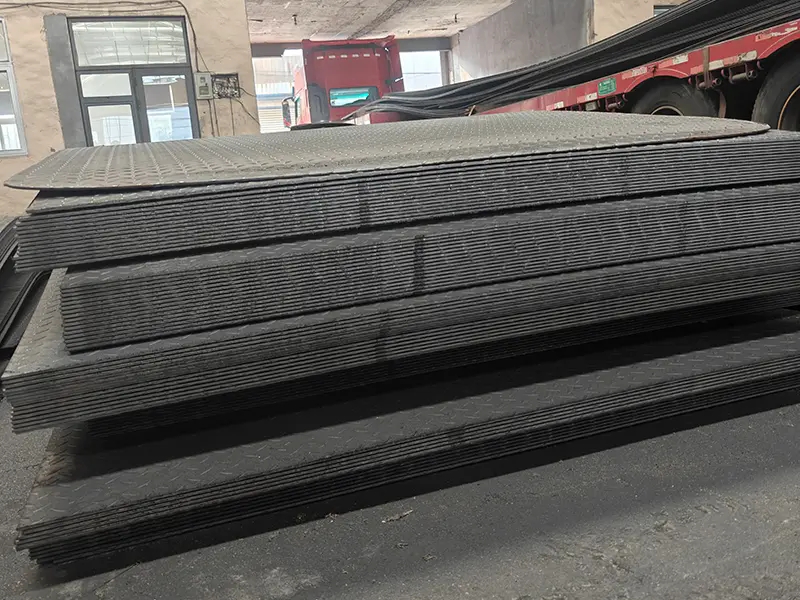
Table of Contents
- 1. Outline Overview
- 2. Introduction to Shipbuilding Steel Plate
- 3. Key Mechanical and Chemical Properties
- 4. Classification and Grades
- 5. Manufacturing and Quality Control
- 6. Applications in Marine Engineering
- 7. How to Choose the Right Steel Plate
- 8. Comparison Table of Common Grades
- 9. Common Challenges and Solutions
- 10. Frequently Asked Questions
- 11. Conclusion
Outline Overview
Shipbuilding steel plate plays a critical role in ensuring vessel integrity, safety, and operational efficiency. This section outlines the core areas covered in this article, including material properties, classification systems, manufacturing standards, and selection strategies for marine-grade steel materials used in modern shipbuilding projects.
Introduction to Shipbuilding Steel Plate
Shipbuilding steel plate is a specialized category of carbon and alloy steel designed specifically for marine structures such as cargo ships, tankers, offshore platforms, and naval vessels. Unlike conventional structural steel, it is engineered to endure high humidity, saltwater corrosion, wave impact, and mechanical stress over extended service periods.
The demand for high-performance marine steel continues to grow as global shipping expands and offshore energy infrastructure becomes more complex. Companies such as Sanhe provide industrial-grade steel solutions that meet stringent international standards, supporting shipyards and engineering contractors worldwide.
Key Mechanical and Chemical Properties
The performance of shipbuilding steel plate depends on a combination of mechanical strength and chemical stability. Below are the most critical properties:
- Tensile Strength: Ensures resistance to breaking under tension loads.
- Yield Strength: Determines the stress level at which permanent deformation begins.
- Impact Toughness: Critical for low-temperature marine environments.
- Corrosion Resistance: Essential for saltwater exposure.
- Weldability: Allows efficient fabrication during ship assembly.
A balance between strength and ductility is essential. Overly hard steel may crack under impact, while overly soft steel may deform under structural load.
Classification and Grades
Shipbuilding steel plates are classified according to classification society standards such as ABS, DNV, LR, and BV. These grades define mechanical performance and temperature resistance.
Common Grade Categories:
- A Grade: Basic ship structural steel used in non-critical sections.
- B Grade: Slightly improved strength and toughness.
- D Grade: Designed for low-temperature environments.
- E Grade: High toughness steel for extreme conditions.
Each grade is tested under strict conditions to ensure compliance with maritime safety standards.
Manufacturing and Quality Control
The production of shipbuilding steel plate involves several critical steps:
- Ironmaking and steel refining
- Continuous casting into slabs
- Hot rolling into plates
- Heat treatment for enhanced toughness
- Ultrasonic testing and surface inspection
Quality control is essential because even minor defects can lead to catastrophic failure in marine environments. Advanced testing ensures internal uniformity, crack resistance, and chemical consistency.
Applications in Marine Engineering
Shipbuilding steel plate is widely used across multiple marine and offshore structures, including:
- Cargo ship hulls and decks
- Oil tankers and LNG carriers
- Offshore drilling platforms
- Naval defense vessels
- Port infrastructure and docks
Its versatility allows engineers to design structures that are both lightweight and highly durable under dynamic sea conditions.
How to Choose the Right Steel Plate
Selecting the appropriate shipbuilding steel plate requires evaluating operational conditions and engineering requirements. Below are key decision factors:
- Operating Environment: Temperature, salinity, and wave intensity
- Load Requirements: Static and dynamic stress levels
- Welding Requirements: Fabrication complexity
- Certification Needs: Compliance with marine standards
- Budget Constraints: Cost-performance optimization
Working with experienced suppliers such as Sanhe ensures material consistency and technical support throughout procurement and construction phases.
Comparison Table of Common Grades
| Grade | Strength Level | Temperature Suitability | Typical Usage |
|---|---|---|---|
| A | Standard | Moderate | General ship structures |
| B | Moderate | Moderate | Hull components |
| D | High | Low-temperature environments | Arctic vessels |
| E | Very High | Extreme cold | Offshore platforms |
Common Challenges and Solutions
Despite its advantages, shipbuilding steel plate presents several engineering challenges:
- Corrosion in Saltwater: Requires coatings and cathodic protection systems.
- Welding Cracks: Mitigated through controlled preheating and filler selection.
- Cost Fluctuations: Managed through long-term supplier contracts.
- Supply Chain Delays: Reduced by working with integrated manufacturers like Sanhe.
Addressing these challenges effectively improves vessel lifespan and reduces maintenance costs.
Frequently Asked Questions
What makes shipbuilding steel different from normal steel?
It is specifically engineered for marine environments with enhanced toughness, corrosion resistance, and weldability.
Can shipbuilding steel be used offshore?
Yes, higher-grade variants like D and E grades are widely used in offshore platforms and deep-sea structures.
How is quality ensured?
Through standardized testing including ultrasonic inspection, tensile testing, and chemical composition verification.
Is customization available?
Yes, manufacturers such as Sanhe can provide customized dimensions, grades, and processing services based on project requirements.
Conclusion
Shipbuilding steel plate remains a cornerstone of modern marine engineering, offering the strength, durability, and adaptability required for demanding ocean environments. Its selection must be guided by technical requirements, environmental conditions, and certification standards to ensure long-term structural reliability.
With advanced manufacturing capabilities and strict quality control, Sanhe delivers dependable steel solutions that support global shipbuilding and offshore industries.
For professional consultation, technical specifications, or bulk procurement solutions, contact us at Sanhe today and let our team support your next marine engineering project.