

How Reinforcing Steel Improves Structural Strength and Durability
2026-04-27
Abstract
Reinforcing steel, commonly known as rebar, plays a critical role in modern construction by enhancing the tensile strength of concrete structures. While concrete excels in compression, it is inherently weak in tension. This imbalance often leads to cracks, structural fatigue, and eventual failure if not properly addressed. This article explores how reinforcing steel works, its types, applications, and how to select the right material to solve real-world construction challenges. Whether you're a contractor, engineer, or procurement manager, this guide will help you make informed decisions and avoid costly mistakes.
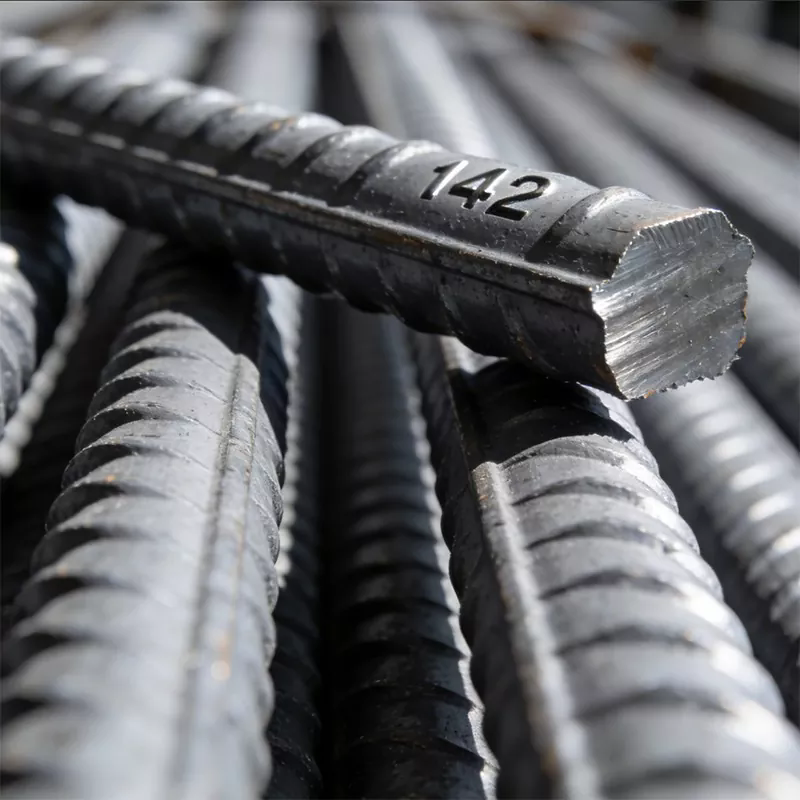
Table of Contents
- 1. Introduction to Reinforcing Steel
- 2. Why Concrete Needs Reinforcement
- 3. Types of Reinforcing Steel
- 4. Key Benefits of Reinforcing Steel
- 5. Common Applications
- 6. How to Choose the Right Reinforcing Steel
- 7. Installation Best Practices
- 8. Cost vs Value Analysis
- 9. FAQs
1. Introduction to Reinforcing Steel
Reinforcing steel is an essential material used in construction to improve the mechanical properties of concrete. It is typically embedded within concrete to carry tensile loads and prevent cracking. Without reinforcement, structures such as bridges, buildings, and foundations would be significantly less durable and more prone to failure.
At Shun Chen, reinforcing steel solutions are engineered to meet demanding structural requirements while ensuring consistency, strength, and long-term reliability across diverse projects.
2. Why Concrete Needs Reinforcement
Concrete is strong under compression but weak under tension. When external forces such as load, temperature changes, or ground movement act on a structure, tensile stresses develop. This leads to:
- Cracking and structural deformation
- Reduced lifespan of infrastructure
- Increased maintenance costs
Reinforcing steel compensates for this weakness by absorbing tensile forces, maintaining structural integrity, and distributing stress evenly throughout the material.
3. Types of Reinforcing Steel
| Type | Description | Best Use Case |
|---|---|---|
| Carbon Steel Rebar | Most common and cost-effective option | General construction projects |
| Epoxy-Coated Rebar | Corrosion-resistant coating | Marine and humid environments |
| Stainless Steel Rebar | High corrosion resistance and durability | Critical infrastructure |
| Glass Fiber Reinforced Polymer (GFRP) | Non-metallic and lightweight | Electromagnetic-sensitive areas |
4. Key Benefits of Reinforcing Steel
- Enhanced Strength: Improves tensile capacity of concrete structures.
- Crack Control: Reduces the formation and propagation of cracks.
- Longevity: Extends the service life of buildings and infrastructure.
- Load Distribution: Evenly distributes stress across structural elements.
- Cost Efficiency: Minimizes repair and maintenance expenses over time.
5. Common Applications
Reinforcing steel is widely used across various construction sectors:
- Residential and commercial buildings
- Bridges and highways
- Foundations and footings
- Dams and retaining walls
- Industrial facilities
Each application demands specific grades and configurations of reinforcing steel to ensure safety and performance.
6. How to Choose the Right Reinforcing Steel
Selecting the correct reinforcing steel involves several key considerations:
- Environmental Conditions: Corrosive environments require coated or stainless options.
- Load Requirements: Higher loads demand higher-grade steel.
- Compliance Standards: Ensure materials meet local and international standards.
- Project Budget: Balance performance with cost efficiency.
Working with a reliable supplier like Shun Chen ensures access to high-quality materials and technical guidance tailored to your project needs.
7. Installation Best Practices
Proper installation is just as important as material selection. Key practices include:
- Maintaining correct spacing and alignment
- Ensuring adequate concrete cover to prevent corrosion
- Using proper tying and anchoring techniques
- Following engineering specifications precisely
Improper installation can negate the benefits of reinforcing steel, leading to structural vulnerabilities.
8. Cost vs Value Analysis
| Factor | Low-Cost Option | High-Quality Option |
|---|---|---|
| Initial Cost | Lower | Higher |
| Durability | Moderate | High |
| Maintenance | Frequent | Minimal |
| Lifecycle Cost | Higher | Lower |
Investing in premium reinforcing steel often results in lower long-term costs due to reduced maintenance and increased structural lifespan.
9. FAQs
Q1: What is the main purpose of reinforcing steel?
A: It enhances the tensile strength of concrete and prevents cracking.
Q2: Can reinforcing steel rust?
A: Yes, but coatings and proper installation significantly reduce corrosion risks.
Q3: How do I determine the right grade of rebar?
A: Consult engineering specifications and consider load and environmental factors.
Q4: Is stainless steel rebar worth the cost?
A: For critical or corrosive environments, it offers superior long-term value.
Q5: Where can I source reliable reinforcing steel?
A: Partnering with experienced suppliers like Shun Chen ensures consistent quality and support.
Conclusion
Reinforcing steel is indispensable in modern construction, addressing concrete's inherent weaknesses and enabling the creation of safe, durable structures. From selecting the right type to ensuring proper installation, every step impacts the final performance of your project. By understanding these fundamentals and working with trusted providers like Shun Chen, you can significantly reduce risks and improve outcomes.
Looking for high-quality reinforcing steel tailored to your project requirements? Contact us today to explore customized solutions and expert support from Shun Chen.