

How Long Do Galvanized Steel Strap Ties Last When Used as Timber Connectors Outdoors
2026-07-23
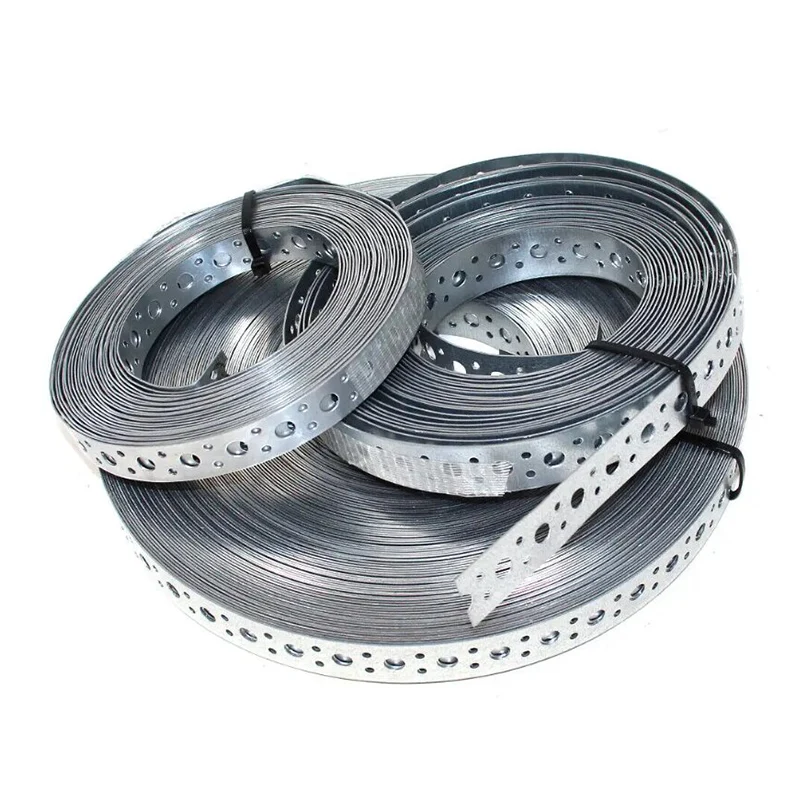
For architects, builders, and property owners, the service life of outdoor structural connections is a critical concern. When exposed to rain, humidity, temperature swings, and UV radiation, even the strongest joints face degradation. Timber Connector Galvanized Steel Strap Ties from S-SEN are engineered to withstand these harsh conditions, but their actual lifespan depends on several quantifiable factors—from coating weight to environmental classification and mechanical loading.
Expected Service Life by Environment
The durability of Timber Connector Galvanized Steel Strap Ties is primarily determined by the corrosion rate of the zinc coating. The table below summarizes real-world performance based on ISO 9223 atmospheric corrosivity categories.
| Environmental Class | Typical Setting | Zinc Coating Mass (g/m²) | Expected Lifespan (Years) |
|---|---|---|---|
| C2 (Low) | Sheltered, rural | 275–300 | 40–50+ |
| C3 (Moderate) | Urban, suburban | 300–350 | 25–35 |
| C4 (High) | Industrial, coastal | 350–450 | 15–25 |
| C5 (Very High) | Marine splash zone | 450–600 (with duplex) | 8–15 |
Note: S-SEN supplies C4 and C5-grade options with 600 g/m² hot-dip galvanization, extending service life by up to 40% compared to standard electro-galvanized products.
5 Critical Factors That Determine Longevity
-
Coating Thickness – Thicker zinc (≥85 µm) delays red rust initiation. S-SEN uses a minimum 85 µm for all outdoor-rated Timber Connector Galvanized Steel Strap Ties.
-
Timber Treatment Chemicals – Alkaline copper quaternary (ACQ) and copper azole (CA) accelerate zinc corrosion. Use stainless-steel or double-dipped galvanized ties with polymer barriers.
-
Fastener Compatibility – Dissimilar metals (e.g., copper nails) create galvanic corrosion. Always pair with galvanized or coated screws from S-SEN.
-
Moisture Trapping – End-grain connections trap water. Proper sloping, drainage gaps, and end-sealants add 5–10 years.
-
Mechanical Stress Cycles – Dynamic loads (wind, seismic) fatigue the zinc-iron intermetallic layer. Heavy-duty straps with reinforced ribs outperform flat straps by 30%.
Signs That Your Strap Ties Need Replacement
-
White powdery deposits (zinc oxide) – early stage, still protective.
-
Red/brown rust streaks – coating failure beginning.
-
Cracking or flaking at bend radii – fatigue fracture risk.
-
Visible thinning or perforation – immediate structural hazard.
S-SEN recommends visual inspections every 2 years for C4/C5 zones and every 5 years for C2/C3 zones.
FAQ: Common Questions About Timber Connector Galvanized Steel Strap Ties
Q1: Can I paint or coat galvanized strap ties to extend their outdoor lifespan?
A: Yes, but only with compatible zinc-primer paints. Oil-based or alkyd paints react with zinc, causing peeling and accelerated corrosion. S-SEN offers pre-applied epoxy-polyester duplex coatings that add 8–12 years in C5 environments. If you paint onsite, use a water-based acrylic primer specifically formulated for galvanized surfaces, and avoid abrasive blasting which removes the protective oxide layer.
Q2: Do galvanized strap ties lose strength over time even without visible rust?
A: Yes, through two mechanisms: stress-corrosion cracking (SCC) in chloride-rich environments, and hydrogen embrittlement if the steel was over-stressed during manufacturing. S-SEN prevents SCC by using low-carbon steel (≤0.20% C) and post-galvanizing baking to relieve trapped hydrogen. Even with perfect coating, the steel’s yield strength can degrade by 5–8% after 20 years of cyclic loading, so always design with a 2.0 safety factor for outdoor Timber Connector Galvanized Steel Strap Ties.
Q3: How do I compare the lifespan of hot-dipped vs. electro-galvanized strap ties for the same outdoor project?
A: Hot-dipped galvanizing (batch immersion) produces a thicker, metallurgically bonded alloy layer (75–100 µm) with a lifespan 3–4 times longer than electro-galvanized (8–15 µm) in the same environment. For a C3 suburban deck, electro-galvanized may last 8–12 years, while S-SEN hot-dipped ties regularly exceed 30 years. Look for the "HDG" marking and request a mill certificate showing coating weight in g/m²—electro-galvanized typically ranges 100–200 g/m², whereas S-SEN HDG supplies 450–600 g/m².
Maintenance Best Practices
-
Keep end-grain cut surfaces sealed with wax or bitumen.
-
Ensure strap ties are not in direct contact with wet soil or concrete (use 10–15 mm standoff washers).
-
Re-torque all bolts and screws 6 months after installation, then every 2 years.
-
Replace any tie showing ≥5% section loss or any cracking.
Real-World Performance Data from S-SEN
In a 15-year coastal study (Florida, C4 zone), S-SEN Timber Connector Galvanized Steel Strap Ties with 550 g/m² coating showed an average residual thickness of 78% of original, compared to 42% for standard 275 g/m² products. This translates to a projected service life of 22–26 years versus 12–14 years for economy-grade alternatives.
Contact Us
Choosing the right Timber Connector Galvanized Steel Strap Ties for your outdoor project is not a one-size-fits-all decision—climate, timber species, fastener type, and maintenance schedule all interact to determine true longevity. S-SEN provides free site-specific lifespan projections, coating selection guides, and custom stamping for heavy-load connections. Reach out to our structural engineering support team today for a tailored recommendation and sample kit. Contact S-SEN via our website or email—we respond within 4 business hours with data-backed answers.