Welded steel pipe is widely used in construction, oil and gas transportation, water supply systems, structural engineering, mechanical processing, and industrial manufacturing.
Choosing the right pipe specification can directly impact project durability, operational safety, maintenance costs, and long-term performance.
Many buyers struggle with questions related to material grades, welding methods, corrosion resistance, pressure ratings, and application suitability.
This article explains how welded steel pipe is manufactured, how to select the right type for different industries, and what factors influence quality and service life.
Whether you are a contractor, distributor, engineer, or procurement manager, understanding these details can help you reduce procurement risks and improve project efficiency.
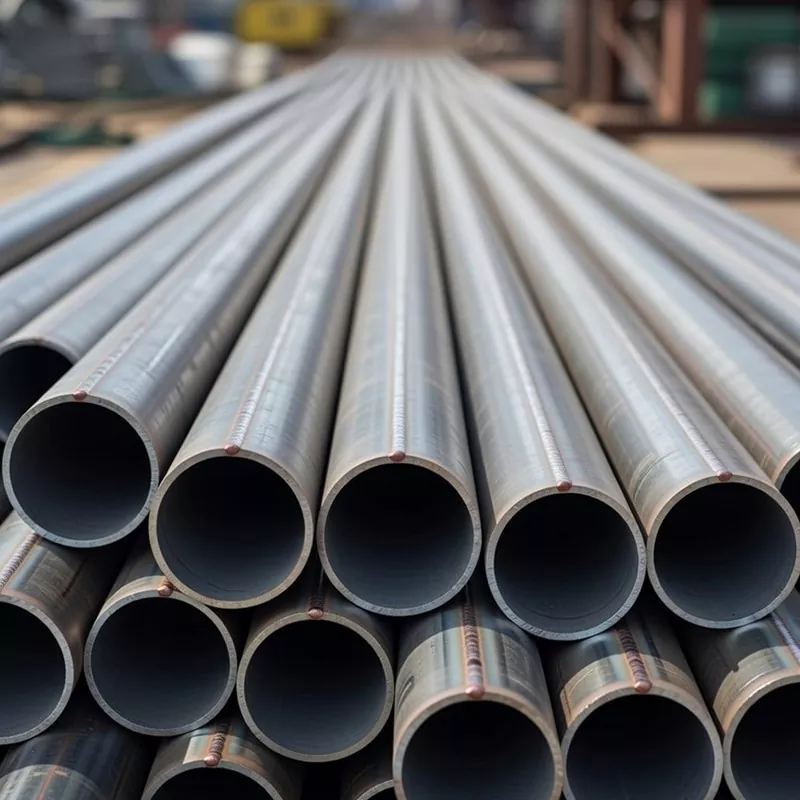
What Is Welded Steel Pipe?
Welded steel pipe is produced by rolling steel plate or steel strip into a cylindrical shape and joining the seam through a welding process.
Unlike seamless pipe, welded pipe contains a weld seam that is formed during manufacturing.
Modern welding technologies allow manufacturers to produce welded pipes with excellent dimensional accuracy, strong mechanical properties, and reliable pressure performance.
These pipes are available in a wide range of diameters, wall thicknesses, coatings, and material grades.
Welded steel pipe is commonly used in:
-
Oil and gas transmission
-
Water transportation systems
-
Structural construction
-
Mechanical engineering
-
Fire protection pipelines
-
Industrial fluid transportation
-
Bridge and infrastructure projects
How Is Welded Steel Pipe Manufactured?
The manufacturing process determines the final strength, precision, and performance of welded steel pipe.
Advanced production equipment and strict inspection standards are essential for achieving stable quality.
-
Raw Material Preparation
Steel coils or steel plates are selected according to required material grades and specifications.
-
Forming Process
The steel strip is gradually formed into a round tube shape through rollers and forming machines.
-
Welding Process
The pipe seam is welded using methods such as ERW, SSAW, or LSAW depending on the application requirements.
-
Heat Treatment
Some pipes undergo heat treatment to improve weld integrity and mechanical performance.
-
Sizing and Straightening
Pipes are calibrated to achieve accurate dimensions and straightness.
-
Inspection and Testing
Ultrasonic testing, hydrostatic testing, and dimensional inspection ensure product quality.
-
Surface Coating
Galvanizing, anti-corrosion coating, or painting may be applied for additional protection.
Types of Welded Steel Pipes
|
Pipe Type
|
Manufacturing Method
|
Main Applications
|
|
ERW Pipe
|
Electric Resistance Welding
|
Water pipelines, scaffolding, construction
|
|
LSAW Pipe
|
Longitudinal Submerged Arc Welding
|
Oil & gas transmission, high-pressure pipelines
|
|
SSAW Pipe
|
Spiral Submerged Arc Welding
|
Large-diameter transportation systems
|
|
Galvanized Welded Pipe
|
Zinc-coated welded pipe
|
Outdoor construction, water supply systems
|
Different projects require different pipe structures and manufacturing technologies.
Selecting the correct type helps improve operational efficiency and cost control.
Common Materials and Grades
Material selection is critical because it affects corrosion resistance, pressure handling capability, weldability, and service life.
|
Material Grade
|
Characteristics
|
Typical Use
|
|
Q235
|
Good weldability and affordability
|
General construction
|
|
Q345
|
Higher strength and toughness
|
Structural engineering
|
|
ASTM A53
|
Reliable pressure performance
|
Industrial piping
|
|
ASTM A500
|
Structural-grade steel pipe
|
Buildings and bridges
|
|
API 5L
|
High-pressure pipeline grade
|
Oil and gas transportation
|
Industrial Applications of Welded Steel Pipe
Welded steel pipes are used in nearly every industrial sector due to their flexibility and cost efficiency.
-
Construction Industry
Structural supports, scaffolding, handrails, and building frameworks.
-
Oil and Gas Industry
Long-distance transportation pipelines and refinery systems.
-
Water Supply Projects
Municipal water transportation and drainage systems.
-
Mechanical Manufacturing
Machinery components, rollers, and industrial equipment frames.
-
Infrastructure Engineering
Bridges, tunnels, highways, and port construction.
Many industrial buyers prefer welded pipes because they provide a balance between performance and manufacturing efficiency.
Advantages of Welded Steel Pipe
-
Cost-effective compared with seamless pipe
-
Available in large diameters
-
High dimensional precision
-
Stable mechanical properties
-
Suitable for mass production
-
Flexible customization options
-
Wide range of coating treatments
-
Efficient transportation and installation
Advances in welding technology have significantly improved the reliability and performance consistency of welded steel pipes in demanding environments.
How to Choose the Right Welded Steel Pipe
Buyers often face challenges when selecting suitable welded steel pipes for industrial projects.
Choosing the wrong specification can lead to leakage, corrosion, pressure failure, or unnecessary costs.
Key selection factors include:
|
Selection Factor
|
Why It Matters
|
|
Pipe Diameter
|
Determines flow capacity and installation compatibility
|
|
Wall Thickness
|
Affects pressure resistance and durability
|
|
Material Grade
|
Influences strength and corrosion resistance
|
|
Surface Coating
|
Protects against environmental corrosion
|
|
Operating Pressure
|
Ensures pipeline safety under working conditions
|
|
Industry Standards
|
Guarantees compliance and performance consistency
|
Reliable suppliers can provide technical guidance to help customers select the most suitable pipe solution for their projects.
Quality Inspection and Testing
Strict quality control procedures are essential for ensuring pipe reliability and long-term safety.
-
Ultrasonic weld inspection
-
X-ray testing
-
Hydrostatic pressure testing
-
Mechanical property analysis
-
Chemical composition testing
-
Dimensional inspection
-
Surface defect examination
High-quality manufacturers maintain complete traceability throughout the production process to ensure stable product performance.
Maintenance and Corrosion Protection
Corrosion is one of the primary concerns for steel pipeline systems.
Proper maintenance can significantly extend service life and reduce operational downtime.
Common protection methods include:
-
Hot-dip galvanizing
-
Epoxy coating
-
3PE anti-corrosion coating
-
Cathodic protection systems
-
Regular inspection and cleaning
Pipes used in offshore, underground, or chemical environments typically require enhanced corrosion-resistant treatments.
Welded Pipe vs Seamless Pipe
|
Feature
|
Welded Pipe
|
Seamless Pipe
|
|
Manufacturing Cost
|
Lower
|
Higher
|
|
Diameter Availability
|
Large diameters available
|
Limited large-size production
|
|
Wall Thickness Uniformity
|
Excellent
|
Good
|
|
Pressure Resistance
|
Suitable for most applications
|
Excellent for extreme pressure
|
|
Production Efficiency
|
High
|
Lower
|
Modern welded steel pipes can meet the requirements of many high-performance industrial applications while offering cost advantages.
FAQ
What is the main advantage of welded steel pipe?
Welded steel pipe offers a strong balance between cost efficiency, structural reliability, and production flexibility.
Can welded steel pipe be used for high-pressure applications?
Yes. Pipes manufactured according to API and ASTM standards can handle demanding pressure conditions.
How long does welded steel pipe last?
Service life depends on material grade, environment, coating quality, and maintenance practices. Properly protected pipes can last for decades.
Is galvanized welded pipe suitable for outdoor use?
Yes. Galvanized coatings help protect steel pipes from rust and environmental corrosion.
How can buyers ensure pipe quality?
Buyers should work with experienced manufacturers that provide material certifications, testing reports, and strict inspection procedures.
About Shunchen
Shunchen specializes in supplying high-quality welded steel pipe products for construction, industrial transportation, infrastructure, and engineering applications.
The company focuses on reliable manufacturing standards, strict quality inspection, and customized solutions for global customers.