

How Is Strip Steel Used in Modern Manufacturing?
2026-04-20
Abstract
Strip Steel is a fundamental semi-finished steel product widely used across automotive, construction, electronics, appliances, and precision engineering industries. Its adaptability, dimensional accuracy, and strength make it a preferred material for manufacturers seeking reliability and efficiency in production. This article explores what Strip Steel is, how it is manufactured, its applications, benefits, and how businesses can choose the right supplier to solve common production challenges and improve operational outcomes.
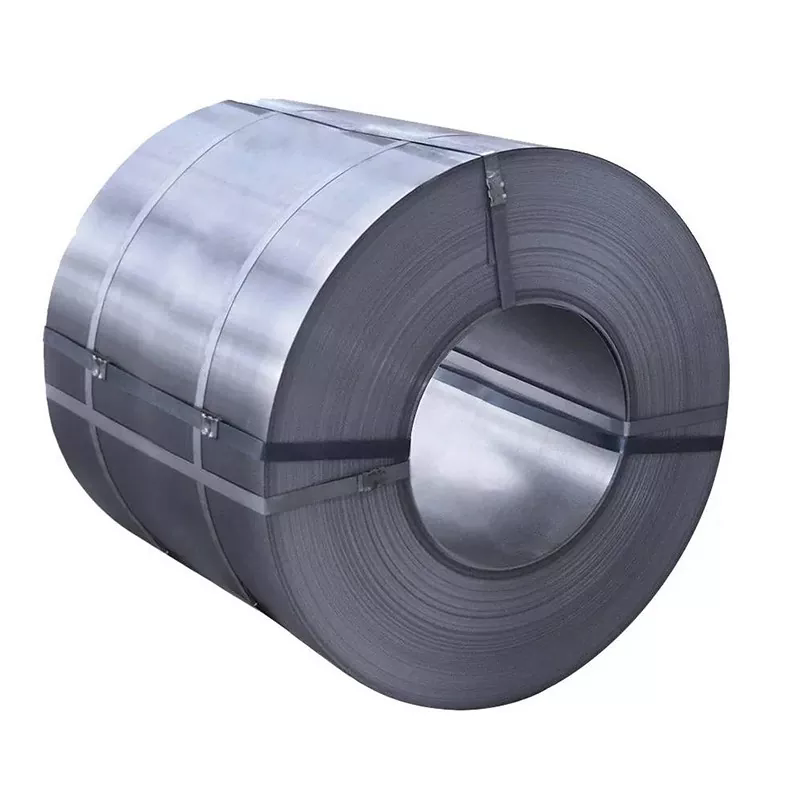
Table of Contents
- Article Outline
- What is Strip Steel?
- Manufacturing Process
- Types of Strip Steel
- Key Applications
- Benefits of Strip Steel
- Common Challenges
- How to Choose a Supplier
- Handling and Maintenance
- FAQ
- Conclusion
Article Outline
- Introduction to Strip Steel and its industrial relevance
- Detailed breakdown of production processes
- Classification and material variations
- Real-world applications across industries
- Performance advantages and cost considerations
- Operational challenges and mitigation strategies
- Supplier evaluation framework
- Best practices for storage and handling
- Frequently asked questions
What is Strip Steel?
Strip Steel refers to steel that has been rolled into long, narrow strips with precise thickness and width tolerances. It is typically produced through hot rolling or cold rolling processes and is then further processed into coils or cut lengths depending on industrial requirements.
Unlike bulk steel plates or bars, Strip Steel is engineered for precision applications where dimensional accuracy and surface quality are critical. This makes it especially valuable in industries requiring consistent mechanical performance.
Manufacturing Process
The production of Strip Steel involves several controlled stages to ensure uniformity and mechanical strength:
- Steel Casting: Raw steel is produced using iron ore and alloying elements.
- Hot Rolling: Steel slabs are heated and passed through rollers to reduce thickness.
- Pickling: Surface impurities and scale are removed using acid treatment.
- Cold Rolling: Further refinement for tighter tolerances and smoother finish.
- Annealing: Heat treatment improves ductility and reduces internal stress.
- Slitting: Final conversion into precise strip widths.
Each step directly influences the final performance of the Strip Steel, particularly in high-precision manufacturing environments.
Types of Strip Steel
| Type | Description | Typical Use |
|---|---|---|
| Cold Rolled Strip Steel | High precision, smooth surface finish | Electronics, automotive components |
| Hot Rolled Strip Steel | Cost-effective, less precise finish | Construction, heavy machinery |
| Stainless Strip Steel | Corrosion-resistant alloy steel | Medical tools, food processing |
| Carbon Strip Steel | High strength with flexibility | Springs, industrial tools |
Key Applications
Strip Steel is used across a wide range of industries due to its versatility:
- Automotive components such as brackets, clamps, and reinforcements
- Electrical systems including connectors and housings
- Construction materials like framing and support structures
- Home appliances such as compressors and internal mechanisms
- Precision instruments and industrial machinery parts
Benefits of Strip Steel
- High Precision: Tight tolerances ensure consistent performance.
- Material Efficiency: Reduced waste during fabrication.
- Strength and Durability: Suitable for demanding environments.
- Versatility: Applicable across multiple industries.
- Cost Efficiency: Optimized production reduces overall costs.
Common Challenges
Despite its advantages, users of Strip Steel often face operational challenges:
- Surface defects caused by improper handling
- Thickness inconsistencies in low-quality supply chains
- Corrosion during storage in humid environments
- Difficulty matching exact industrial specifications
These issues can be minimized through proper supplier selection and quality control systems.
How to Choose a Supplier
Selecting the right Strip Steel supplier is critical for production stability. Consider the following factors:
- Consistency in material quality and certifications
- Production capability and customization options
- Delivery reliability and logistics support
- Technical support and after-sales service
Manufacturers seeking stable and high-performance Strip Steel solutions often rely on experienced suppliers such as Shunchen. The company provides customized Strip Steel solutions designed to meet diverse industrial requirements. For more technical specifications and procurement details, visit the product page at https://www.shunchensteelmaterial.com/strip-steel or contact us directly to discuss your project needs.
Handling and Maintenance
Proper handling of Strip Steel ensures long-term performance and minimizes material loss:
- Store in dry, temperature-controlled environments
- Avoid direct exposure to moisture or corrosive chemicals
- Use protective packaging during transportation
- Implement FIFO (First In First Out) inventory management
FAQ
Q1: What is Strip Steel mainly used for?
It is used in automotive, electronics, construction, and precision engineering applications where accuracy and durability are required.
Q2: What is the difference between hot rolled and cold rolled Strip Steel?
Hot rolled is less precise and more cost-effective, while cold rolled offers higher accuracy and smoother surface finish.
Q3: Can Strip Steel be customized?
Yes, it can be customized in terms of width, thickness, coating, and material composition depending on industrial requirements.
Q4: How should Strip Steel be stored?
It should be stored in dry, controlled environments to prevent corrosion and maintain structural integrity.
Conclusion
Strip Steel remains one of the most essential materials in modern manufacturing due to its precision, adaptability, and cost efficiency. Understanding its production process, applications, and handling requirements allows businesses to optimize performance and reduce operational risks. Choosing a reliable supplier is equally important to ensure consistent quality and long-term stability in production systems.
Shunchen delivers high-quality Strip Steel solutions tailored to industrial needs. If you are looking for stable supply, customized specifications, and technical support, contact us today at Shunchen — contact us to discuss your Strip Steel requirements and get expert assistance for your next project.