

How Is Shipbuilding Steel Plate Selected for Marine Construction?
2026-04-20
Abstract
Shipbuilding Steel Plate is a critical material in modern marine engineering, directly influencing vessel safety, structural integrity, and long-term operational performance. This article provides a comprehensive overview of how shipbuilding steel plates are selected, manufactured, and applied in marine environments. It addresses common procurement challenges such as corrosion resistance, strength requirements, classification standards, and cost optimization. Whether you are involved in ship design, offshore construction, or marine procurement, this guide will help you make informed decisions and avoid costly mistakes.
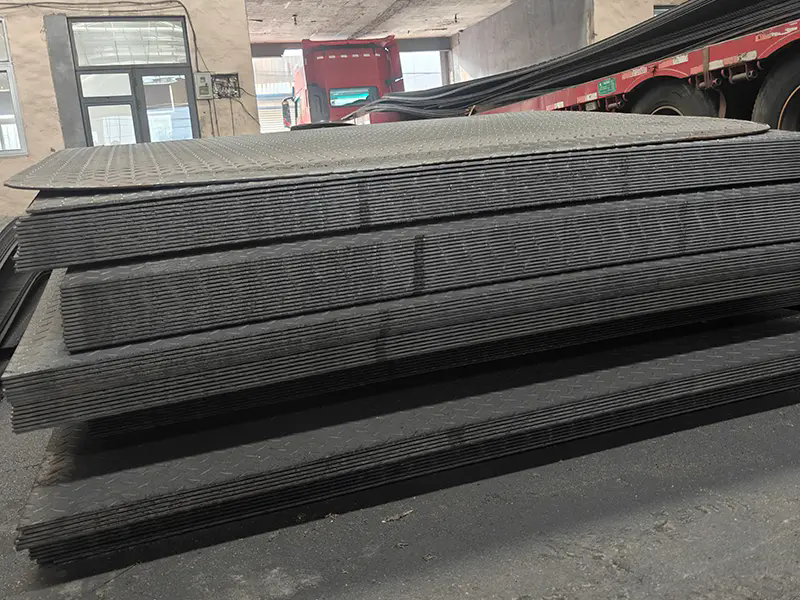
Table of Contents
- 1. Introduction to Shipbuilding Steel Plate
- 2. Key Performance Requirements
- 3. Manufacturing Process Overview
- 4. Common Grades and Specifications
- 5. How to Select the Right Steel Plate
- 6. Applications in Marine Engineering
- 7. International Standards and Certifications
- 8. Common Problems and Practical Solutions
- 9. Material Comparison Table
- 10. Frequently Asked Questions
- 11. Conclusion
1. Introduction to Shipbuilding Steel Plate
Shipbuilding Steel Plate refers to specially engineered steel used in constructing marine vessels such as cargo ships, tankers, naval ships, and offshore platforms. Unlike ordinary structural steel, it must withstand harsh marine environments including saltwater corrosion, wave impact, and extreme temperature variations. The demand for higher durability and safety standards has made material selection a crucial step in shipbuilding projects.
Leading suppliers such as Qingdao Sanhe Steel Co., Ltd. provide high-quality marine-grade steel plates designed to meet strict classification requirements and ensure long-term structural reliability.
2. Key Performance Requirements
Shipbuilding steel must meet a combination of mechanical, chemical, and environmental performance requirements.
- High tensile strength: Ensures structural integrity under heavy loads.
- Excellent toughness: Prevents brittle fracture in low temperatures.
- Corrosion resistance: Critical for saltwater exposure.
- Weldability: Enables efficient hull construction and repair.
- Impact resistance: Essential for safety in rough sea conditions.
3. Manufacturing Process Overview
The production of shipbuilding steel plates involves multiple controlled metallurgical processes to ensure consistent quality.
- Iron ore selection and smelting in blast furnaces.
- Refining through basic oxygen or electric arc furnaces.
- Continuous casting into slabs.
- Hot rolling into required thickness and dimensions.
- Controlled cooling and heat treatment to enhance toughness.
- Surface inspection and quality testing before delivery.
Each stage is carefully monitored to eliminate impurities and achieve the mechanical properties required for marine applications.
4. Common Grades and Specifications
| Grade | Strength Level | Main Application | Key Feature |
|---|---|---|---|
| A | Standard | General ship structure | Basic strength |
| B | Medium | Hull construction | Improved toughness |
| D | High | Low-temperature vessels | Cold resistance |
| E | Extra High | Arctic vessels | Superior impact strength |
5. How to Select the Right Steel Plate
Selecting the correct shipbuilding steel plate involves evaluating multiple engineering and environmental factors.
- Define vessel type (cargo ship, tanker, offshore platform).
- Analyze operating environment (tropical, arctic, deep sea).
- Check classification society requirements (ABS, DNV, LR).
- Evaluate mechanical properties and weldability.
- Balance cost efficiency with long-term durability.
Partnering with experienced manufacturers such as Qingdao Sanhe Steel Co., Ltd. ensures access to certified materials that meet global marine standards.
6. Applications in Marine Engineering
Shipbuilding steel plates are widely used in:
- Ship hulls and decks
- Offshore drilling platforms
- Marine storage tanks
- Submarine structures
- Harbor and dock infrastructure
7. International Standards and Certifications
Shipbuilding steel must comply with strict classification standards to ensure safety and performance. Common standards include:
- ASTM International specifications
- EN 10025 structural steel standards
- ABS (American Bureau of Shipping)
- DNV (Det Norske Veritas)
- Lloyd’s Register certification
8. Common Problems and Practical Solutions
Procurement teams often face several challenges when sourcing shipbuilding steel plates.
- Corrosion issues: Use coated or alloy-enhanced steel.
- Welding cracks: Choose low-carbon steel grades.
- Supply inconsistency: Work with certified manufacturers.
- Cost overruns: Optimize grade selection based on application.
9. Material Comparison Table
| Material Type | Strength | Corrosion Resistance | Cost Level |
|---|---|---|---|
| Carbon Steel Plate | Medium | Low | Low |
| Shipbuilding Steel Plate | High | Medium-High | Medium |
| Stainless Steel | High | Very High | High |
10. Frequently Asked Questions
Q1: What makes shipbuilding steel different from ordinary steel?
It offers higher toughness, corrosion resistance, and compliance with marine classification standards.
Q2: Can shipbuilding steel be used in offshore structures?
Yes, it is widely used in offshore platforms due to its durability and strength.
Q3: How is quality ensured during production?
Through strict chemical composition control, mechanical testing, and certification inspections.
Q4: What is the typical lifespan of shipbuilding steel structures?
With proper maintenance, structures can last several decades in marine environments.
11. Conclusion
Selecting the right Shipbuilding Steel Plate is essential for ensuring vessel safety, efficiency, and long-term operational reliability. Understanding material properties, classification standards, and application requirements allows engineers and procurement teams to make informed decisions. With the support of experienced suppliers like Qingdao Sanhe Steel Co., Ltd., buyers can access high-performance marine steel solutions tailored to demanding environments.
For professional consultation, technical specifications, or customized solutions, please feel free to contact us. Qingdao Sanhe Steel Co., Ltd. is committed to delivering reliable shipbuilding steel plate solutions for global marine and offshore industries.