

How Is LCD Monitor Sheet Metal Manufactured and Optimized for Modern Display Devices?
2026-06-24
Abstract
LCD monitor sheet metal is a critical structural and protective component in modern display manufacturing. It directly affects product durability, thermal performance, electromagnetic shielding, assembly precision, and overall aesthetic quality. This article explains the full manufacturing workflow, key materials, engineering considerations, common customer pain points, and how manufacturers optimize sheet metal design for LCD monitors used in commercial, industrial, and consumer applications.
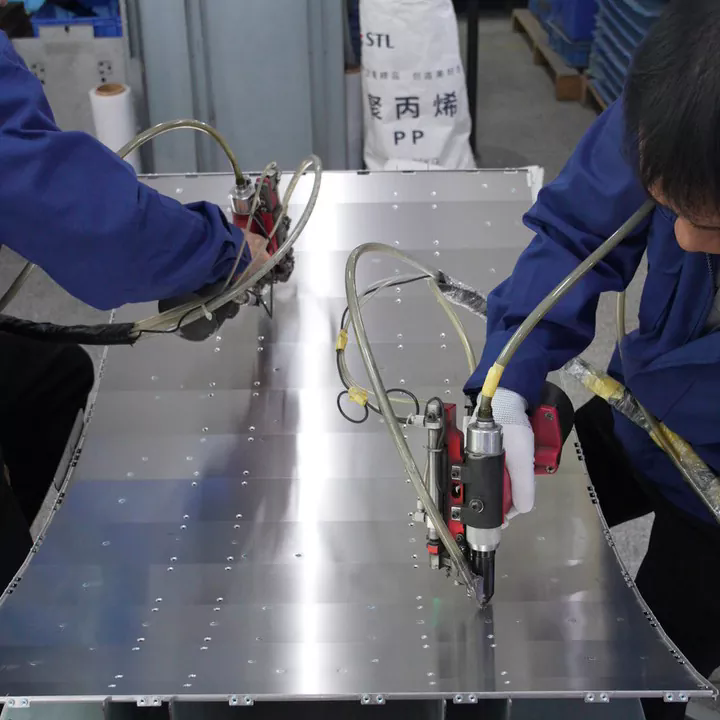
Table of Contents
- 1. Overview of LCD Monitor Sheet Metal
- 2. Materials Selection and Properties
- 3. Manufacturing Process Explained
- 4. Structural Design Considerations
- 5. Surface Treatment and Finishing
- 6. Common Customer Pain Points and Solutions
- 7. Material and Process Comparison Table
- 8. Quality Control Standards
- 9. FAQ
- 10. Conclusion
1. Overview of LCD Monitor Sheet Metal
LCD monitor sheet metal refers to precision-formed metal housings, brackets, frames, and back panels used in LCD display assemblies. These components provide mechanical support for the screen, protect internal electronics, and ensure stable installation in a wide range of environments including offices, industrial control systems, retail kiosks, and medical equipment.
Beyond structural integrity, sheet metal parts also play a crucial role in heat dissipation and electromagnetic interference (EMI) shielding, both of which are essential for stable LCD performance.
2. Materials Selection and Properties
Choosing the right material is the foundation of high-quality LCD monitor sheet metal production. Different materials are selected depending on application requirements such as weight, strength, corrosion resistance, and cost efficiency.
- Cold Rolled Steel (CRS): High strength, cost-effective, widely used for monitor housings.
- Stainless Steel: Excellent corrosion resistance, suitable for medical and outdoor displays.
- Aluminum Alloy: Lightweight with strong heat dissipation capability.
- Galvanized Steel: Enhanced rust resistance for long-term durability.
Each material requires different fabrication parameters, especially during stamping, bending, and welding processes.
3. Manufacturing Process Explained
The production of LCD monitor sheet metal involves multiple precision-engineered stages. Each stage ensures dimensional accuracy and functional reliability.
- Design & CAD Modeling: Engineers create detailed 3D models to define structure and tolerances.
- Laser Cutting: High-precision cutting ensures clean edges and accurate dimensions.
- Stamping & Punching: Forms ventilation holes, mounting points, and structural features.
- Bending: CNC press brakes shape the sheet into final structural geometry.
- Welding & Assembly: Joins multiple components for rigid structure.
- Surface Finishing: Powder coating or anodizing enhances protection and appearance.
Advanced factories use automated CNC systems to reduce tolerance deviation and improve production consistency.
4. Structural Design Considerations
Designing LCD monitor sheet metal requires balancing strength, weight, manufacturability, and thermal management.
- Ventilation Design: Ensures airflow for heat dissipation.
- EMI Shielding: Prevents electromagnetic interference with display signals.
- Mounting Compatibility: Supports VESA standards and custom installation needs.
- Thickness Optimization: Balances durability and weight reduction.
- Edge Safety: Smooth edges prevent user injury and cable damage.
Poor structural design can lead to overheating, instability, or assembly failure, which are common customer complaints in low-quality products.
5. Surface Treatment and Finishing
Surface treatment is essential for improving durability and appearance. It also protects LCD monitor sheet metal from corrosion and environmental wear.
- Powder Coating: Provides durable, uniform surface protection.
- Anodizing (for aluminum): Enhances corrosion resistance and aesthetics.
- Electroplating: Improves conductivity and surface hardness.
- Brushing & Polishing: Enhances premium visual texture.
6. Common Customer Pain Points and Solutions
Many buyers of LCD monitor sheet metal encounter recurring issues related to quality, cost, and customization flexibility. Below are the most common challenges and how they are addressed:
- Inconsistent Dimensions: Solved through CNC-controlled precision manufacturing.
- Poor Heat Dissipation: Improved through optimized ventilation structures and aluminum usage.
- Rust and Corrosion: Prevented by advanced coating systems.
- Weak Structural Strength: Enhanced by reinforced rib design and material upgrades.
- High Customization Cost: Reduced through modular tooling systems.
Manufacturers that invest in engineering optimization significantly reduce long-term maintenance and replacement costs for clients.
7. Material and Process Comparison Table
| Material | Strength | Weight | Corrosion Resistance | Cost Level | Best Application |
|---|---|---|---|---|---|
| Cold Rolled Steel | High | Medium | Medium | Low | Standard LCD monitors |
| Stainless Steel | Very High | High | Very High | High | Medical & outdoor displays |
| Aluminum Alloy | Medium | Low | High | Medium | Portable & premium displays |
| Galvanized Steel | High | Medium | High | Medium | Industrial monitors |
8. Quality Control Standards
Quality assurance in LCD monitor sheet metal production ensures that each component meets strict mechanical and visual standards.
- Dimensional inspection using digital calipers and CMM systems
- Surface defect detection under controlled lighting conditions
- Load-bearing and vibration testing
- Corrosion resistance salt spray testing
- Assembly fit verification with LCD modules
These testing procedures ensure consistency across mass production batches and reduce failure rates in end-use environments.
9. FAQ
Q1: What is the main function of LCD monitor sheet metal?
It provides structural support, heat dissipation, and electromagnetic shielding for LCD displays.
Q2: Which material is most commonly used?
Cold rolled steel is the most widely used due to its balance of cost and strength.
Q3: Can sheet metal be customized for different monitor sizes?
Yes, CNC-based production allows full customization for different LCD sizes and configurations.
Q4: How is corrosion prevented?
Through powder coating, galvanization, or anodizing depending on the base material.
Q5: What industries use LCD monitor sheet metal?
It is widely used in industrial automation, retail systems, medical devices, gaming monitors, and office displays.
10. Conclusion
LCD monitor sheet metal is not merely a structural component but a highly engineered solution that determines the durability, thermal efficiency, and visual integrity of modern display systems. From material selection to precision manufacturing and surface treatment, every step influences final product performance.
Advanced manufacturing techniques continue to improve accuracy, reduce costs, and enhance customization capabilities, making sheet metal an indispensable part of LCD monitor production ecosystems.
For businesses seeking reliable and high-performance LCD monitor sheet metal solutions, Xinyang delivers precision engineering, scalable production capacity, and strict quality assurance systems—contact us for tailored manufacturing solutions that match your project requirements.