Abstract
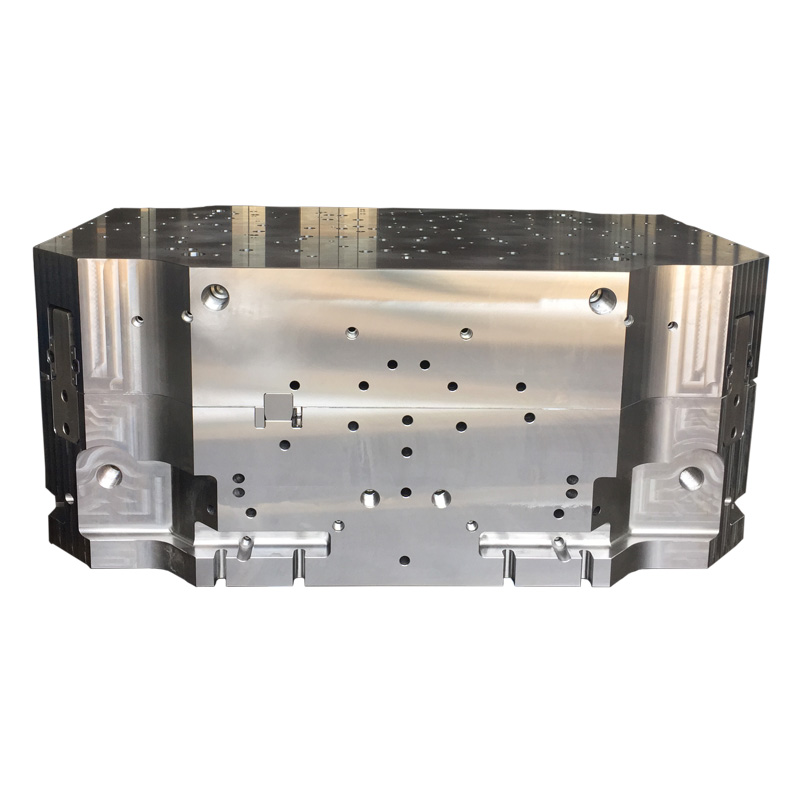
A Die Casting Mold Base is the structural foundation of any die casting mold system, directly influencing precision, durability, cycle time, and overall production efficiency.
This article explains how a die casting mold base is designed, manufactured, and optimized to solve common production challenges such as dimensional instability, short mold life, and inefficient cooling.
It also highlights key engineering principles, material selection strategies, and quality control methods used in modern manufacturing environments.
The goal is to help manufacturers understand how a high-quality mold base, such as those produced by KWT, can significantly improve productivity and reduce operational risks.
1. Introduction: Die Casting Mold Base Fundamentals
In modern manufacturing, die casting is widely used for producing high-volume, high-precision metal components.
At the core of every die casting system lies the Die Casting Mold Base, which serves as the structural frame that holds cavities, inserts, guide systems, and ejector mechanisms.
Without a stable and precisely engineered mold base, even the most advanced mold design cannot maintain dimensional accuracy or production consistency.
Manufacturers often face issues such as thermal deformation, misalignment, and premature wear when using low-quality bases.
2. What Is a Die Casting Mold Base
A Die Casting Mold Base is a pre-machined steel structure that supports all functional components of a die casting mold.
It is not the cavity itself, but rather the carrier system that ensures correct alignment and repeatability during high-pressure injection cycles.
It typically includes:
-
Fixed plate and moving plate
-
Ejector system housing
-
Guide pillars and bushings
-
Clamping plates
-
Cooling channel framework
3. Key Functions of a Mold Base
The mold base plays multiple critical roles in die casting operations:
-
Structural Support: Maintains alignment under high injection pressure.
-
Precision Positioning: Ensures cavity halves align accurately.
-
Thermal Stability: Distributes heat evenly during production cycles.
-
Cycle Efficiency: Supports smooth ejection and rapid reset.
|
Function
|
Impact on Production
|
|
Alignment Control
|
Reduces defect rates and dimensional deviation
|
|
Heat Management
|
Improves cycle time and mold lifespan
|
|
Structural Rigidity
|
Prevents deformation under pressure
|
4. Material Selection Principles
Material selection directly affects the performance and durability of a Die Casting Mold Base.
High-strength alloy steels are commonly used due to their balance of hardness, toughness, and machinability.
Common materials include:
-
P20 pre-hardened steel
-
H13 hot-work tool steel
-
4140 alloy steel
-
Stainless steel variants for corrosion resistance
KWT selects materials based on application requirements, ensuring optimal hardness and fatigue resistance for high-cycle production environments.
5. Engineering and Design Considerations
Designing a mold base requires balancing rigidity, thermal performance, and manufacturability. Engineers must consider load distribution, cooling efficiency, and alignment precision.
-
Finite element analysis for stress optimization
-
Precision tolerance control (micron-level accuracy)
-
Cooling channel integration strategy
-
Modular structure design for maintenance flexibility
6. Manufacturing Process Steps
The production of a Die Casting Mold Base involves multiple precision machining and finishing processes:
-
Raw material selection and inspection
-
CNC rough machining
-
Heat treatment for hardness stabilization
-
Precision grinding and milling
-
Coordinate measurement verification
-
Surface finishing and anti-corrosion treatment
7. Quality Control and Inspection
Quality assurance is essential to ensure the mold base performs reliably under high pressure and temperature conditions.
-
Coordinate Measuring Machine (CMM) inspection
-
Flatness and parallelism testing
-
Hardness verification
-
Surface roughness measurement
KWT implements multi-stage inspection systems to ensure every mold base meets strict dimensional and performance standards.
8. Industrial Applications
Die Casting Mold Bases are widely used in industries requiring high-volume precision metal parts.
-
Automotive components (engine housings, brackets)
-
Aerospace structural parts
-
Electronics housings
-
Industrial machinery components
9. Common Problems and Engineering Solutions
Manufacturers often encounter operational issues caused by low-quality mold bases. Below are common problems and how engineering design resolves them:
|
Problem
|
Root Cause
|
Engineering Solution
|
|
Misalignment during operation
|
Poor guide pillar precision
|
High-precision machining and hardened guide systems
|
|
Thermal deformation
|
Inadequate material selection
|
Use of heat-resistant alloy steels
|
|
Short mold lifespan
|
Low hardness or fatigue resistance
|
Optimized heat treatment process
|
10. Why Choose KWT Mold Base Solutions
KWT is committed to delivering high-performance Die Casting Mold Base systems designed for industrial reliability and long-term production stability.
With advanced CNC machining capabilities and strict quality control protocols, KWT ensures each mold base meets international manufacturing standards.
-
High-precision machining capability
-
Customized mold base engineering
-
Stable supply chain and material sourcing
-
Long service life and reduced maintenance cost
By integrating engineering expertise with practical manufacturing experience, KWT helps clients reduce downtime and improve production efficiency.
11. Maintenance and Lifecycle Management
Proper maintenance of a Die Casting Mold Base extends its operational lifespan and ensures consistent product quality.
-
Regular lubrication of moving components
-
Inspection of guide systems for wear
-
Cooling channel cleaning to prevent blockage
-
Surface protection against corrosion
A well-maintained mold base can significantly reduce production interruptions and maintenance costs over time.
12. Frequently Asked Questions
Q1: What is the lifespan of a Die Casting Mold Base?
A: Depending on material quality and maintenance, it can last from several hundred thousand to millions of cycles.
Q2: Can mold bases be customized?
A: Yes, KWT provides fully customized solutions based on dimensional and functional requirements.
Q3: What industries benefit most from mold bases?
A: Automotive, aerospace, electronics, and industrial machinery sectors.
Q4: How does material choice affect performance?
A: Higher-grade steels improve wear resistance, thermal stability, and overall lifespan.


