

How Industrial Dust Removal Equipment Improves Workplace Air Quality and Production Efficiency
2026-08-07
Article Summary:
Industrial dust pollution is one of the most common challenges faced by factories, workshops, and processing facilities. Excessive dust can affect worker health, reduce equipment performance, increase maintenance costs, and create compliance risks. This article explains how Industrial Dust Removal Equipment works, why it is essential for modern industrial environments, and how businesses can select suitable dust control solutions to achieve cleaner air, safer operations, and higher productivity. With professional experience in environmental protection equipment, DeFa Environmental Equipment (Ningbo) Co., Ltd. provides reliable solutions designed for different industrial dust management requirements.
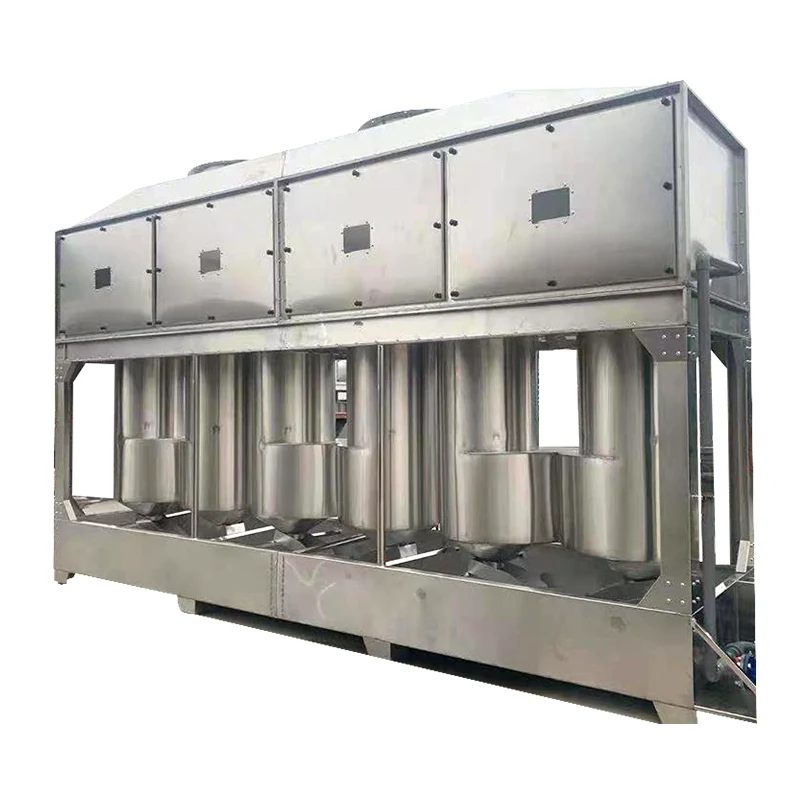
Table of Contents
- 1. Overview of Industrial Dust Removal Equipment
- 2. Why Industrial Dust Control Is Critical for Modern Factories
- 3. How Industrial Dust Removal Equipment Works
- 4. Common Types of Industrial Dust Removal Equipment
- 5. Key Benefits of Using Industrial Dust Removal Equipment
- 6. How to Select the Right Dust Removal Solution
- 7. Industrial Applications of Dust Removal Systems
- 8. Maintenance Tips for Better Equipment Performance
- 9. Frequently Asked Questions
1. Overview of Industrial Dust Removal Equipment
Industrial Dust Removal Equipment is a specialized environmental control system designed to capture, filter, and remove airborne particles generated during manufacturing and processing activities. Many industries produce dust during cutting, grinding, welding, crushing, mixing, packaging, and material transportation processes. Without effective dust control, these particles can spread throughout production areas and create serious operational problems.
Modern industrial dust removal systems are engineered to collect pollutants at their source before they enter the working environment. By using advanced filtration technologies, airflow management, and customized structures, these systems help factories maintain cleaner production spaces while improving equipment reliability and employee safety.
DeFa Environmental Equipment (Ningbo) Co., Ltd. focuses on developing practical environmental protection solutions that meet the changing needs of industrial customers. The company provides dust removal equipment designed to support efficient production processes while helping enterprises achieve better environmental management.
2. Why Industrial Dust Control Is Critical for Modern Factories
Dust is not simply a visible problem. Fine particles produced during industrial operations can remain suspended in the air for long periods and may enter machinery, ventilation systems, and human respiratory systems. Effective dust management is therefore an important part of a safe and efficient manufacturing environment.
- Protecting employee health: Continuous exposure to industrial dust may cause discomfort and reduce workplace safety.
- Improving production conditions: Cleaner workshops create a more stable environment for employees and machines.
- Reducing equipment damage: Dust accumulation can affect motors, electrical components, and precision machinery.
- Lowering maintenance expenses: Effective filtration reduces cleaning frequency and unexpected equipment downtime.
- Supporting environmental requirements: Dust collection systems help companies better control industrial emissions.
For companies operating in industries with heavy dust generation, investing in a suitable dust removal system is not only an environmental decision but also a long-term productivity improvement strategy.
3. How Industrial Dust Removal Equipment Works
Industrial Dust Removal Equipment generally follows a simple but highly effective process: capturing dust, transporting contaminated air, filtering particles, and releasing cleaner air back into the environment.
- Dust Capture: Collection hoods, suction arms, or pipelines capture dust directly from production points where particles are generated.
- Air Transportation: Powerful fans create controlled airflow that moves dusty air through the system.
- Filtration Process: Filters separate dust particles from airflow. Different filter materials are selected according to particle size and industrial conditions.
- Dust Collection: Removed particles are stored in collection containers for convenient disposal or recycling.
- Clean Air Discharge: Filtered air is returned to the workshop or discharged according to application requirements.
A well-designed dust removal system balances airflow, filtration efficiency, energy consumption, and maintenance requirements. This ensures stable performance while avoiding unnecessary operating costs.
4. Common Types of Industrial Dust Removal Equipment
Different industrial processes generate different types of dust. Choosing the appropriate equipment type is essential for achieving effective results.
- Bag Filter Dust Collectors: These systems use filter bags to capture dust particles and are widely used in manufacturing industries requiring high filtration efficiency.
- Cartridge Dust Collectors: Compact cartridge systems provide efficient filtration in applications where installation space is limited.
- Cyclone Dust Collectors: These systems use centrifugal force to separate larger dust particles from airflow before further filtration.
- Wet Dust Collectors: Water or liquid-based filtration methods are suitable for handling certain combustible or special industrial dust types.
- Mobile Dust Collectors: Portable units provide flexible dust control solutions for workshops with changing production locations.
5. Key Benefits of Using Industrial Dust Removal Equipment
A professional dust collection system provides multiple advantages for industrial companies. Beyond removing visible dust, it improves overall production efficiency and creates a more sustainable working environment.
- Cleaner Workplace: Removing airborne particles improves workshop cleanliness and employee comfort.
- Higher Machine Reliability: Reduced dust accumulation helps protect production equipment.
- Better Product Quality: Cleaner production environments reduce contamination risks during manufacturing.
- Energy Optimization: Properly designed systems can maintain effective airflow while controlling energy consumption.
- Long-Term Cost Savings: Lower maintenance needs and improved production stability provide economic benefits over time.
6. How to Select the Right Dust Removal Solution
Selecting Industrial Dust Removal Equipment requires careful consideration of production conditions, dust characteristics, and operational requirements. A solution that works well in one factory may not be suitable for another.
- Identify dust characteristics: Consider particle size, material type, temperature, and moisture level.
- Evaluate airflow requirements: The system capacity should match the amount of dust generated during production.
- Consider installation conditions: Available space and workshop layout influence equipment design.
- Review maintenance requirements: Easy cleaning and filter replacement improve daily operation.
- Choose experienced suppliers: Professional manufacturers can provide customized solutions based on actual industrial needs.
DeFa Environmental Equipment (Ningbo) Co., Ltd. works closely with customers to understand application conditions and develop dust removal solutions suitable for different industries and production environments.
7. Industrial Applications of Dust Removal Systems
Industrial Dust Removal Equipment is widely used across many manufacturing sectors. Typical applications include:
- Metal processing and welding workshops
- Wood processing and furniture manufacturing
- Mining and mineral processing industries
- Cement and building material production
- Chemical and pharmaceutical manufacturing
- Food processing facilities
- Electronics and precision manufacturing
Each industry has different dust characteristics, which means customized system design is often necessary to achieve the best performance.
8. Maintenance Tips for Better Equipment Performance
Regular maintenance helps Industrial Dust Removal Equipment maintain stable operation and extend service life. Proper management also prevents unexpected production interruptions.
- Inspect filters regularly and replace damaged components promptly.
- Clean dust collection areas to prevent excessive accumulation.
- Check fans, motors, and airflow systems periodically.
- Monitor system performance to identify efficiency changes.
- Follow manufacturer maintenance recommendations.
A preventive maintenance plan allows companies to maximize equipment value and maintain consistent dust control performance throughout daily operations.
9. Frequently Asked Questions
Q1: What industries need Industrial Dust Removal Equipment?
Industries involving cutting, grinding, welding, crushing, mixing, or material handling usually require dust removal systems to control airborne particles and improve workplace conditions.
Q2: How often should dust removal filters be replaced?
The replacement cycle depends on dust concentration, operating hours, filter type, and maintenance practices. Regular inspection helps determine the correct replacement timing.
Q3: Can dust removal equipment be customized?
Yes. Industrial dust conditions vary significantly, so professional suppliers can customize airflow capacity, filtration methods, structure, and installation solutions according to customer requirements.
Q4: What factors affect dust removal efficiency?
Dust characteristics, equipment design, airflow control, filter quality, and regular maintenance all influence the overall performance of a dust removal system.
Q5: Why choose a professional dust removal equipment manufacturer?
An experienced manufacturer can provide reliable engineering support, suitable equipment selection, and solutions that match real industrial production challenges.
Conclusion
Industrial Dust Removal Equipment plays an essential role in creating safer workplaces, improving production efficiency, and supporting cleaner industrial operations. By selecting the right system and maintaining it properly, companies can reduce dust-related problems, protect valuable equipment, and achieve more stable manufacturing performance.
With professional expertise and advanced environmental protection solutions, DeFa Environmental Equipment (Ningbo) Co., Ltd. continues to provide dependable dust removal systems for various industrial applications. If you need an efficient dust control solution designed for your specific production environment, please contact us for professional support and customized recommendations.