

How Flat Steel Is Manufactured and Used in Modern Industry?
2026-06-30
Abstract
Flat steel is one of the most widely used semi-finished steel products in global industrial systems, serving as a foundational material for construction, automotive manufacturing, shipbuilding, machinery fabrication, and energy infrastructure. Its adaptability, mechanical strength, and cost efficiency make it a critical input for multiple value chains. However, buyers and engineers often face challenges in selecting the right grade, understanding production differences, and ensuring consistent quality across suppliers. This article provides a structured, practical explanation of flat steel—from manufacturing principles and classification to application scenarios and procurement considerations—helping decision-makers reduce risk and improve sourcing efficiency. Special insights from industrial supplier Wanhetong are also included to illustrate real-world supply capabilities.
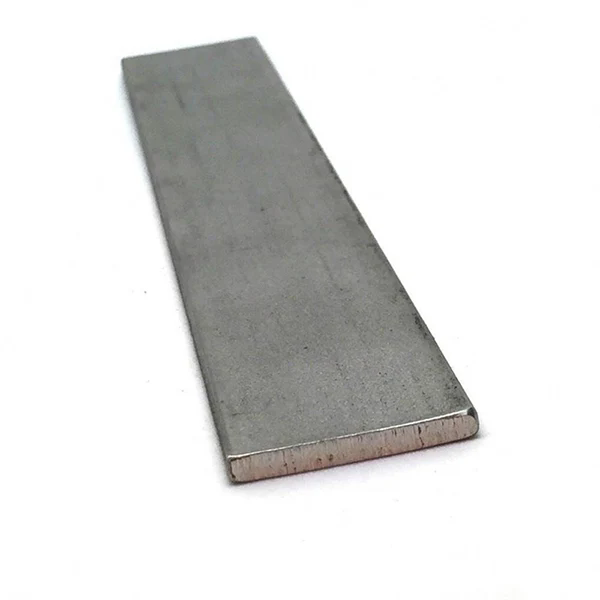
Table of Contents
1. Overview of Flat Steel
Flat steel refers to steel products with a rectangular cross-section and a flat surface, typically supplied in strips, plates, or sheets. Unlike long steel products such as rebar or wire rods, flat steel is characterized by its wide surface area and uniform thickness. It is produced through hot rolling or cold rolling processes depending on performance requirements.
In industrial supply chains, flat steel acts as a structural and functional base material. It is widely used where strength, weldability, and surface finish are critical. Suppliers such as Wanhetong provide diversified flat steel solutions tailored for different engineering environments, ensuring compatibility with both heavy-duty and precision manufacturing needs.
2. Manufacturing Process Explained
The manufacturing of flat steel involves several controlled stages designed to achieve mechanical consistency and dimensional precision.
- Steel Casting: Raw iron is refined into molten steel and cast into slabs.
- Hot Rolling: Slabs are heated and passed through rollers to achieve desired thickness.
- Controlled Cooling: Improves internal grain structure and reduces internal stress.
- Pickling (optional): Removes surface oxides for improved finish.
- Cold Rolling (optional): Enhances surface quality and dimensional accuracy.
- Cutting and Packaging: Final products are cut into required sizes and prepared for shipment.
Advanced manufacturers like Wanhetong integrate automated rolling systems and precision inspection equipment to ensure batch-to-batch stability, which is critical for large-scale engineering procurement.
3. Types and Specifications
Flat steel is not a single product category but a family of materials differentiated by thickness, width, surface treatment, and mechanical performance.
Main Types:
- Hot Rolled Flat Steel
- Cold Rolled Flat Steel
- Galvanized Flat Steel
- Alloy Flat Steel
- High-strength Structural Flat Steel
Specification Range Overview:
| Type | Thickness Range | Main Feature | Typical Use |
|---|---|---|---|
| Hot Rolled | 3mm – 60mm | High strength, lower cost | Construction, machinery frames |
| Cold Rolled | 0.5mm – 6mm | Smooth surface, high precision | Automotive, appliances |
| Galvanized | 0.5mm – 5mm | Corrosion resistance | Outdoor structures |
| Alloy Steel | Custom | Enhanced mechanical properties | Heavy engineering |
4. Industrial Applications
Flat steel is embedded across multiple industries due to its structural versatility. Its adaptability makes it suitable for both load-bearing and precision applications.
- Construction Industry: Structural beams, reinforcement components, bridge elements.
- Automotive Manufacturing: Chassis parts, brackets, reinforcements.
- Shipbuilding: Hull structures and internal support frameworks.
- Machinery Production: Base plates and machine frames.
- Energy Sector: Wind turbine components, transmission structures.
Wanhetong supplies flat steel to global buyers requiring stable performance in demanding environments, particularly in infrastructure and heavy engineering projects where failure tolerance is minimal.
5. How to Choose the Right Flat Steel
Selecting appropriate flat steel requires evaluating technical, environmental, and economic factors. Incorrect selection can lead to structural failure, increased maintenance costs, or production inefficiencies.
Key Selection Criteria:
- Mechanical Strength: Match load-bearing requirements.
- Corrosion Resistance: Determine environmental exposure level.
- Dimensional Accuracy: Critical for precision engineering.
- Weldability: Important for fabrication processes.
- Cost Efficiency: Balance performance with budget constraints.
Industrial suppliers such as Wanhetong assist clients in material selection by providing technical guidance based on application scenarios, reducing procurement uncertainty.
6. Quality Control and Standards
Quality assurance in flat steel production ensures consistency in strength, thickness, and chemical composition. International standards often govern production benchmarks.
- ISO quality management systems
- ASTM structural steel standards
- EN European steel specifications
- JIS Japanese industrial standards
Key quality testing processes include tensile strength testing, hardness evaluation, ultrasonic flaw detection, and surface inspection. Wanhetong implements multi-stage inspection protocols to ensure product integrity before shipment.
7. Common Procurement Challenges
Despite its widespread availability, sourcing flat steel presents several challenges for buyers and procurement teams.
- Quality Variability: Inconsistent production standards across suppliers.
- Specification Confusion: Misinterpretation of thickness or grade requirements.
- Logistics Delays: Global shipping disruptions affecting lead times.
- Price Volatility: Fluctuations in raw material costs.
- Certification Gaps: Lack of verifiable compliance documentation.
Working with established suppliers such as Wanhetong helps mitigate these risks through standardized production systems and transparent documentation practices.
8. Technical Comparison Table
| Property | Hot Rolled | Cold Rolled | Galvanized | Alloy |
|---|---|---|---|---|
| Surface Finish | Rough | Smooth | Coated | Varies |
| Strength | High | Medium-High | Medium | Very High |
| Cost Level | Low | Medium | Medium | High |
| Corrosion Resistance | Low | Medium | High | Varies |
This comparison highlights why selection must be driven by application requirements rather than cost alone.
9. Frequently Asked Questions
Q1: What is flat steel mainly used for?
It is widely used in construction, automotive, machinery manufacturing, and energy infrastructure due to its structural stability and adaptability.
Q2: What is the difference between hot rolled and cold rolled flat steel?
Hot rolled steel is produced at high temperatures and has a rougher surface, while cold rolled steel is processed at room temperature for higher precision and smoother finish.
Q3: How do I ensure quality when purchasing flat steel?
Check certifications, request material test reports, and work with reliable suppliers such as Wanhetong that implement strict quality control systems.
Q4: Can flat steel be customized?
Yes, it can be customized in terms of thickness, width, coating, and alloy composition depending on industrial requirements.
Conclusion
Flat steel remains a fundamental material in modern industrial development due to its versatility, strength, and adaptability. Understanding its production process, classification, and application scenarios enables more informed procurement decisions and improved project outcomes. With increasing demand for standardized and high-performance materials, selecting a reliable supplier becomes essential.
Wanhetong continues to support global clients with consistent flat steel supply, technical expertise, and tailored material solutions designed for complex industrial environments.
For detailed product specifications, technical consultation, or bulk procurement solutions, please contact us to connect with the Wanhetong team and receive professional support for your project requirements.