Welded Steel Pipe plays a critical role in construction, oil and gas transportation, water delivery systems, machinery manufacturing, and structural engineering. Many buyers struggle with selecting the right pipe specifications, balancing cost with durability, and ensuring long-term performance in demanding environments. This guide explains how Welded Steel Pipe works, why it remains one of the most widely used piping solutions worldwide, and how businesses can maximize value while minimizing maintenance and operational risks.
What Is Welded Steel Pipe?
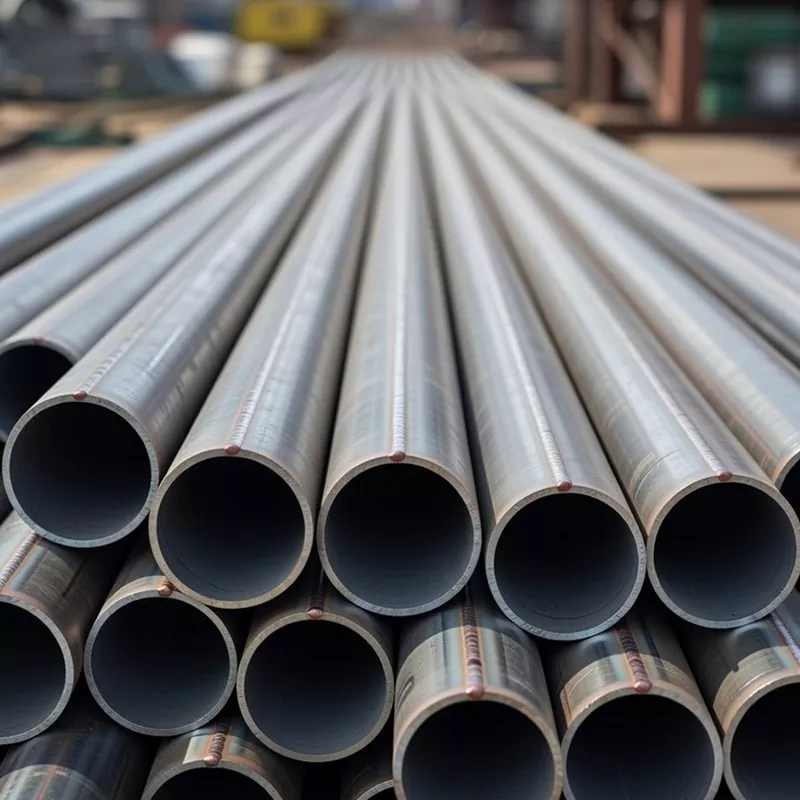
Welded Steel Pipe is produced by rolling steel plates or steel strips into a cylindrical shape and then joining the edges through a welding process. Unlike seamless pipes, welded pipes are manufactured with a visible weld seam. Modern welding technology has significantly improved the strength, precision, and reliability of these products, making them suitable for a wide range of industrial applications.
Industries choose welded pipes because they offer an excellent balance between mechanical performance, manufacturing flexibility, and cost efficiency. They are available in multiple diameters, wall thicknesses, coatings, and material grades to meet different project requirements.
Companies such as Shunchen provide various welded pipe solutions for infrastructure projects, industrial systems, and structural engineering applications. Their product range includes pipes designed for durability, corrosion resistance, and long-term operational stability.
You can also explore the product details here: https://www.shunchensteelmaterial.com/welded-steel-pipe
How Welded Steel Pipe Is Manufactured
Understanding the manufacturing process helps buyers evaluate product quality and production consistency. The manufacturing stages generally include:
-
Steel coil or steel plate preparation
-
Forming the material into a tubular shape
-
Welding the seam using advanced welding techniques
-
Heat treatment and cooling
-
Surface finishing and coating
-
Dimensional inspection and testing
Different welding methods are used depending on the application requirements:
|
Welding Method
|
Description
|
Common Applications
|
|
ERW (Electric Resistance Welding)
|
Uses electrical resistance to heat and weld the seam
|
Water pipes, scaffolding, structural use
|
|
LSAW (Longitudinal Submerged Arc Welding)
|
Longitudinal welding with high strength
|
Oil pipelines, high-pressure transport
|
|
SSAW (Spiral Submerged Arc Welding)
|
Spiral seam welding for large diameters
|
Water transmission and piling systems
|
Advanced manufacturers conduct hydrostatic testing, ultrasonic inspection, and dimensional verification to ensure consistent product performance before shipment.
Key Advantages of Welded Steel Pipe
One of the biggest reasons for the popularity of Welded Steel Pipe is its ability to provide high performance at a competitive price point. Buyers across multiple industries prefer welded pipes because they combine manufacturing efficiency with excellent structural integrity.
-
Lower production cost compared to seamless pipes
-
Wide range of available diameters and wall thicknesses
-
High dimensional accuracy
-
Efficient production for large-scale projects
-
Strong pressure resistance when properly manufactured
-
Suitable for coating and galvanizing processes
-
Reliable mechanical performance in industrial environments
Large infrastructure projects often require thousands of meters of piping. Using welded pipes helps reduce procurement costs without sacrificing operational reliability.
Modern welded steel pipes can achieve excellent weld integrity and pressure resistance, especially when manufactured using advanced inspection systems and strict quality control procedures.
Main Applications Across Industries
Welded Steel Pipe is used in nearly every major industrial sector. Its versatility makes it suitable for transporting fluids, supporting structures, and protecting underground systems.
|
Industry
|
Application
|
Benefits
|
|
Construction
|
Structural supports and frameworks
|
High strength and durability
|
|
Oil & Gas
|
Pipeline transportation
|
Pressure resistance and reliability
|
|
Water Supply
|
Municipal water systems
|
Corrosion protection options
|
|
Manufacturing
|
Machine structures and equipment
|
Precision dimensions
|
|
Agriculture
|
Irrigation systems
|
Cost-effective fluid transport
|
|
Energy
|
Power plant systems
|
Long service life
|
Infrastructure growth worldwide continues to increase demand for high-quality welded pipe products because governments and industries require reliable, scalable piping systems.
Welded Pipe vs Seamless Pipe
Many buyers struggle to determine whether welded or seamless pipes are the better option. The answer depends on pressure requirements, budget limitations, and application conditions.
|
Factor
|
Welded Steel Pipe
|
Seamless Pipe
|
|
Cost
|
More economical
|
Higher cost
|
|
Production Efficiency
|
Faster manufacturing
|
Slower production
|
|
Diameter Availability
|
Wide range
|
Limited in large sizes
|
|
Pressure Capacity
|
Very good for most uses
|
Excellent for extreme pressure
|
|
Surface Uniformity
|
High dimensional consistency
|
Good consistency
|
For standard industrial, structural, and water transportation applications, welded pipes are often the most practical and cost-effective solution.
How to Choose the Right Welded Steel Pipe
Selecting the proper welded pipe requires careful evaluation of several technical factors. Buyers should avoid choosing products based only on price because poor material quality can lead to leakage, corrosion, or structural failure.
-
Determine the operating pressure
-
Consider environmental conditions
-
Select suitable pipe diameter and wall thickness
-
Check material grade specifications
-
Evaluate corrosion protection requirements
-
Review compliance with industry standards
-
Verify testing and inspection procedures
For outdoor or underground installations, galvanized or coated welded steel pipes provide additional protection against corrosion and environmental damage.
Experienced suppliers like Shunchen can help buyers select suitable welded steel pipe specifications according to project demands, budget targets, and operational conditions.
Quality Factors Buyers Should Consider
Quality control directly affects the lifespan and safety of welded steel pipe systems. Buyers should request detailed inspection reports and verify manufacturing certifications before placing large-volume orders.
Important quality indicators include:
-
Weld seam integrity
-
Wall thickness consistency
-
Hydrostatic pressure testing results
-
Ultrasonic or X-ray inspection records
-
Coating adhesion performance
-
Chemical composition verification
-
Mechanical strength testing
Reliable manufacturers use automated welding systems and strict production monitoring to reduce defects and improve overall product consistency.
Maintenance and Corrosion Protection
Even high-quality steel pipes require proper maintenance to maximize service life. Corrosion remains one of the most common causes of pipeline damage, especially in humid, chemical, or underground environments.
Several protective methods are commonly used:
-
Hot-dip galvanizing
-
Epoxy coating systems
-
Polyethylene external coatings
-
Cathodic protection systems
-
Regular inspection and cleaning
-
Leak detection monitoring
Routine inspections help identify early signs of wear, corrosion, or pressure-related stress before they become serious operational problems.
Frequently Asked Questions
1. Is Welded Steel Pipe strong enough for industrial use?
Yes. Modern welded pipes are manufactured using advanced welding technologies and rigorous testing procedures, making them suitable for many industrial and structural applications.
2. What is the difference between ERW and SSAW pipes?
ERW pipes use electric resistance welding and are commonly used for smaller diameters, while SSAW pipes use spiral welding and are suitable for larger-diameter applications.
3. Can welded steel pipes resist corrosion?
Yes. Galvanizing, epoxy coatings, and other protective treatments significantly improve corrosion resistance and extend service life.
4. Are welded pipes more affordable than seamless pipes?
Generally, yes. Welded pipes are more cost-effective and are preferred for many large-scale infrastructure and transportation projects.
5. How long can welded steel pipes last?
With proper material selection, coating protection, and maintenance, welded steel pipes can remain operational for decades.
Conclusion
Welded Steel Pipe continues to be one of the most efficient and reliable piping solutions for modern industries. Its combination of affordability, strength, manufacturing flexibility, and broad application range makes it essential for construction, energy, water transportation, and industrial infrastructure projects.
Choosing the right supplier is equally important as selecting the correct specifications. Manufacturers with strong production capabilities, advanced testing systems, and strict quality management can help businesses reduce operational risks and improve long-term project performance.
Shunchen provides professional welded steel pipe solutions designed to meet demanding industrial requirements while maintaining competitive pricing and dependable quality standards.
Need Reliable Welded Steel Pipe Solutions?
Whether you need welded steel pipes for construction, industrial transportation, structural engineering, or infrastructure development, Shunchen can provide dependable products tailored to your project requirements.
Contact us today to discuss specifications, pricing, bulk orders, and customized solutions for your next project.