

How Does Wall Thickness Affect the Performance of Small Diameter Carbon Steel Welded Pipe
2026-02-09
When specifying Small Diameter Carbon Steel Welded Pipe for a project, engineers and procurement specialists face a critical decision: selecting the appropriate wall thickness. This parameter, often overlooked, is a fundamental determinant of the pipe's performance, cost, and suitability. At Shiwang, we understand that the right wall thickness is not just a number on a spec sheet; it’s the cornerstone of system integrity, safety, and longevity. This blog delves into the professional engineering implications of this key choice.
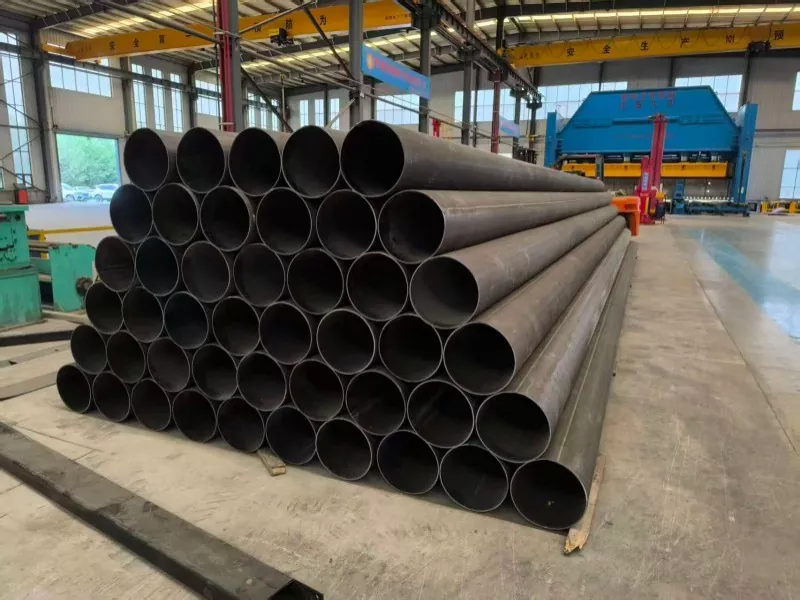
The wall thickness of a Small Diameter Carbon Steel Welded Pipe directly influences its core performance characteristics in the following ways:
-
Pressure Containment: Thicker walls inherently withstand higher internal pressures without yielding or bursting, as they reduce the hoop stress on the material.
-
Structural Strength & Load Bearing: It determines the pipe's resistance to external loads, bending moments, and potential crushing forces during installation or in service.
-
Corrosion Allowance: A thicker wall provides a sacrificial material layer, extending the service life in corrosive environments by accounting for future metal loss.
-
Flow Capacity & Weight: Conversely, thicker walls reduce the internal diameter, potentially affecting flow rates. They also increase the pipe's weight and material cost per meter.
The table below summarizes the primary trade-offs:
| Thinner Wall Pipe | Thicker Wall Pipe |
|---|---|
| Lower material cost | Higher material cost |
| Higher flow capacity | Reduced internal diameter |
| Easier handling & installation | Increased weight, harder to install |
| Suitable for low-pressure applications | Essential for high-pressure systems |
| Limited corrosion allowance | Provides robust corrosion resistance |
Small Diameter Carbon Steel Welded Pipe FAQ
What is the most common standard for specifying wall thickness?
The most widely adopted standard is the ASME B36.10M, which schedules wall thickness using "Schedule" numbers (e.g., Sch 40, Sch 80). Higher schedule numbers correspond to thicker walls for the same nominal pipe size.
How does wall thickness impact welding procedures?
Thicker walls require more stringent welding procedures. This includes pre-heating, specific joint designs (like V or U grooves), higher heat input control, and potential post-weld heat treatment to relieve stresses and ensure a sound, durable weld joint.
Can I use a thinner-walled pipe if it passes the pressure calculation?
While it may hold pressure initially, factors like corrosion, unforeseen external loads, mechanical impact, or system water hammer must be considered. Shiwang always recommends incorporating a safety margin and consulting relevant codes to ensure long-term reliability beyond just static pressure.
Choosing the incorrect wall thickness can lead to premature failure, unsafe conditions, or unnecessary project costs. Shiwang provides expert technical guidance and a certified range of Small Diameter Carbon Steel Welded Pipe to meet precise application demands. Our specialists are here to help you navigate these critical specifications.
Contact us today for a detailed consultation or to request a quote tailored to your project's pressure, corrosion, and mechanical requirements.