

How Does Temperature Fluctuation Affect Soft Bellow Expansion Connection Performance
2026-03-17
In the realm of industrial piping systems, managing thermal dynamics is critical for operational safety. A Soft Bellow Expansion Connection is specifically engineered to absorb this thermal movement, but its effectiveness is directly challenged by temperature volatility. At Fushuo, we specialize in understanding these material limits to ensure that your Soft Bellow Expansion Connection delivers optimal longevity and reliability, even in the most extreme environments.
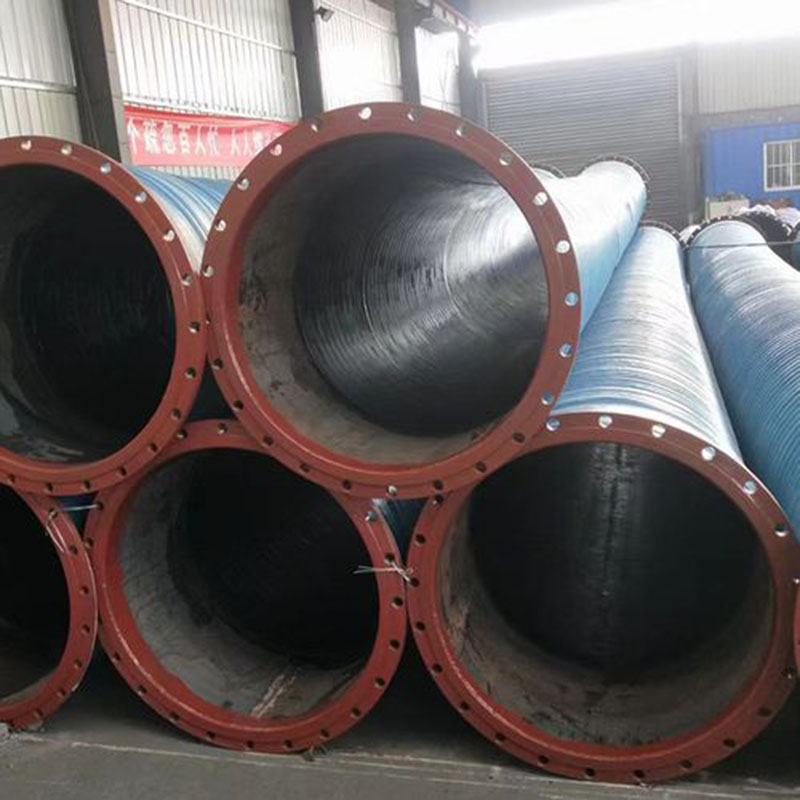
The Core Impact of Thermal Variation
When temperatures rise, materials expand; when they drop, they contract. For a Soft Bellow Expansion Connection, which is typically made from elastomers like EPDM, Neoprene, or PTFE, this cycle creates repetitive stress. Unlike rigid piping, the flexible bellow must accommodate this movement while maintaining a leak-proof seal. Failure to account for these fluctuations can lead to accelerated aging, loss of flexibility, and eventual rupture.
Key Performance Factors Affected by Temperature
To understand how to mitigate risks, it is essential to look at the specific performance metrics influenced by temperature changes.
| Performance Factor | Effect of High Temperature | Effect of Low Temperature |
|---|---|---|
| Material Hardness | Softening of elastomer, reducing pressure capacity. | Hardening and embrittlement, leading to cracks. |
| Pressure Rating | Decreases as tensile strength of material drops. | Potentially stable until brittleness causes failure. |
| Flexibility | Increases, but may cause ballooning under pressure. | Decreases severely, limiting movement absorption. |
| Service Life | Accelerated oxidation and chemical breakdown. | Risk of fracture during initial system startup. |
How Fushuo Engineering Mitigates Thermal Risks
Selecting the correct Soft Bellow Expansion Connection requires a precise analysis of the operating environment. Fushuo employs advanced material compounding to ensure that the expansion joint maintains its integrity across the designated temperature range. For instance, using multi-ply reinforcements can help distribute thermal stress more evenly, preventing localized fatigue that often occurs during rapid temperature swings (thermal shock).
Frequently Asked Questions
To further clarify the complexities of thermal effects, here are three essential Soft Bellow Expansion Connection FAQ常见问题大全 regarding temperature performance.
Q: What happens to a Soft Bellow Expansion Connection if the operating temperature exceeds its maximum rated limit?
A: If the temperature exceeds the material's rating, the elastomer will begin to degrade chemically. This usually starts with surface crazing or hardening, but in extreme cases, the rubber compound can lose its elastic memory and become plastic. This results in the bellow taking a permanent set (remaining stretched) and drastically losing its ability to absorb movement. Furthermore, the pressure containment capability drops significantly, creating a high risk of sudden rupture. At Fushuo, we always recommend a safety margin between the operating temperature and the material's max limit.
Q: Can a Soft Bellow Expansion Connection fail due to cold temperatures even if it isn't moving?
A: Yes, absolutely. When a Soft Bellow Expansion Connection is exposed to temperatures below its flexibility threshold (its Glass Transition Temperature), the material enters a glassy state. In this state, it loses all elasticity. If the system is started up while the joint is this cold, or if there is any vibration, the bellow cannot flex to absorb it. Instead of stretching, the brittle material will crack. This is why Fushuo offers specialized low-temperature compounds that retain flexibility in sub-zero environments.
Q: How does temperature fluctuation affect the chemical resistance of the expansion joint?
A: Temperature and chemical resistance are inversely related. A material that is chemically resistant at 70°F may swell or dissolve rapidly at 200°F. Rising temperatures increase the kinetic energy of the chemical molecules, allowing them to penetrate the elastomer matrix more easily. This is why selecting a Soft Bellow Expansion Connection isn't just about matching the chemical name; you must match the chemical concentration and the temperature. Fushuo provides detailed chemical compatibility charts that account for these thermal variables to ensure material stability.
Conclusion: Ensure System Integrity with Expert Guidance
Understanding the relationship between temperature fluctuation and your Soft Bellow Expansion Connection is not just about maintenance; it is about preventing catastrophic system failure. From material selection to proper installation, every variable counts. Don't leave the safety and efficiency of your piping network to chance.
Contact Fushuo today for a professional consultation and find the perfect Soft Bellow Expansion Connection engineered for your specific thermal challenges.