

How Does Strip Steel Improve Modern Industrial Manufacturing?
2026-04-14
Abstract
Strip steel is a fundamental semi-finished steel product widely used across automotive, construction, electronics, appliances, and precision engineering industries. It is valued for its controlled thickness, high dimensional accuracy, and excellent mechanical properties. This article explores how strip steel supports modern manufacturing efficiency, addresses common buyer pain points such as material inconsistency, cost control, and processing limitations, and provides practical guidance for selection and application. Whether you are a procurement manager or an engineer, understanding strip steel’s characteristics is essential for improving product quality and operational performance.
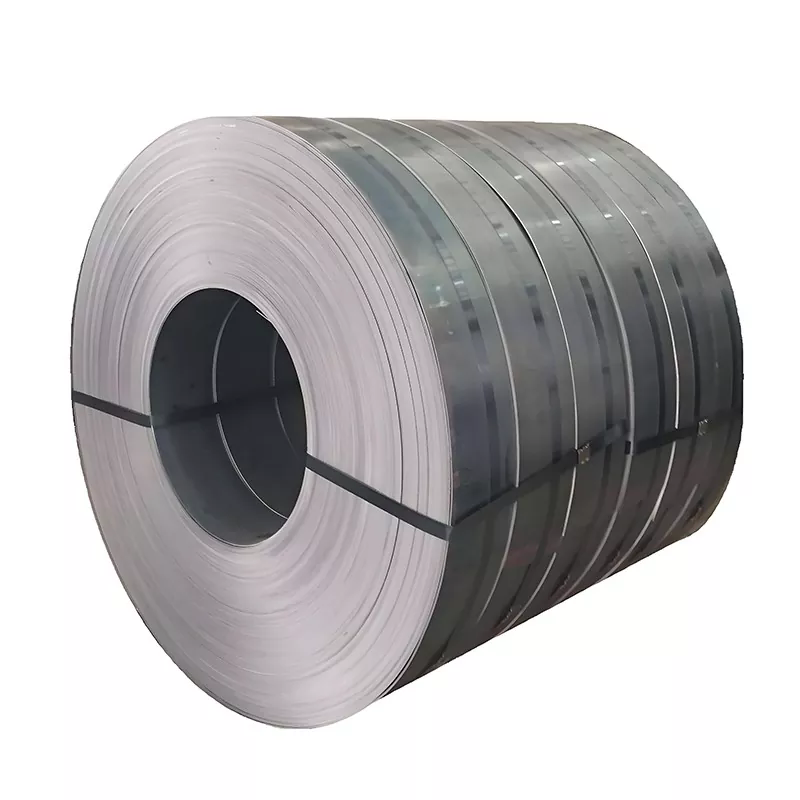
Table of Contents
- Introduction to Strip Steel
- Manufacturing Process Overview
- Key Properties and Performance Advantages
- Industrial Applications
- Cold Rolled vs Hot Rolled Strip Steel
- Common Challenges and Buyer Pain Points
- How to Select a Reliable Supplier
- Frequently Asked Questions
- Conclusion and Industry Insight
Outline
This article is structured to provide both technical understanding and practical procurement guidance. It begins with the definition and production process of strip steel, then moves into material properties, application fields, and performance advantages. It further compares production types, analyzes common challenges in sourcing and processing, and concludes with supplier selection strategies and FAQs.
What is Strip Steel?
Strip steel is a flat steel product produced in coil form with precise thickness control and tight dimensional tolerances. It is typically manufactured from hot rolled or cold rolled steel and further processed through annealing, pickling, or surface treatment depending on end-use requirements.
Unlike general steel plates, strip steel is engineered for high-precision applications where uniformity and surface quality directly affect performance. Its width is usually narrower than steel sheets, making it ideal for stamping, forming, and precision machining.
Manufacturing Process Overview
The production of strip steel involves multiple controlled stages designed to ensure mechanical stability and surface consistency:
- Hot Rolling: Initial shaping of steel slabs at high temperatures.
- Pickling: Removal of oxide scale to improve surface cleanliness.
- Cold Rolling: Thickness reduction and precision enhancement.
- Annealing: Heat treatment to improve ductility and reduce internal stress.
- Finishing: Surface coating, oiling, or slitting into required widths.
Each step plays a critical role in ensuring that the final strip steel meets strict industrial standards for strength, flexibility, and surface quality.
Key Properties and Performance Advantages
Strip steel offers several engineering advantages that make it indispensable in precision manufacturing:
- High dimensional accuracy with minimal tolerance deviation
- Excellent surface finish suitable for coating and painting
- Strong mechanical strength combined with flexibility
- Consistent performance in mass production environments
- Compatibility with automated stamping and forming systems
Industrial Applications
Strip steel is used in a wide range of industries due to its adaptability and performance stability:
- Automotive components such as brackets, reinforcements, and structural parts
- Electrical equipment including transformer cores and motor laminations
- Home appliances like refrigerators, washing machines, and air conditioners
- Construction materials such as steel frames and connectors
- Precision instruments requiring tight tolerance metal parts
Cold Rolled vs Hot Rolled Strip Steel
Understanding the differences between cold rolled and hot rolled strip steel is critical for selecting the right material for your application.
| Feature | Hot Rolled Strip Steel | Cold Rolled Strip Steel |
|---|---|---|
| Surface Quality | Rougher surface | Smooth and refined surface |
| Dimensional Accuracy | Moderate precision | High precision |
| Strength | Good structural strength | Higher tensile strength |
| Cost | Lower | Higher due to processing |
| Applications | Structural components | Precision engineering parts |
Common Challenges and Buyer Pain Points
Despite its advantages, buyers often face several issues when sourcing strip steel:
- Inconsistent thickness leading to machining errors
- Surface defects affecting coating performance
- Supply chain delays impacting production schedules
- Unstable mechanical properties between batches
- Lack of technical support from suppliers
These challenges can significantly increase production costs and reduce manufacturing efficiency if not properly addressed.
How to Select a Reliable Supplier
Choosing the right strip steel supplier is crucial for maintaining production stability and product quality. Consider the following criteria:
- Strict quality control systems and certifications
- Stable production capacity and delivery reliability
- Technical support for material selection and customization
- Transparent pricing structure
- Consistent batch-to-batch quality assurance
A reliable supplier helps reduce operational risks and ensures long-term cost efficiency.
Frequently Asked Questions (FAQ)
Q1: What industries use strip steel most frequently?
Strip steel is widely used in automotive, electronics, appliances, and construction industries due to its precision and durability.
Q2: What is the main difference between strip steel and steel sheet?
Strip steel is narrower and produced with tighter tolerances, making it more suitable for precision applications.
Q3: Can strip steel be customized?
Yes, it can be customized in terms of thickness, width, surface finish, and mechanical properties.
Q4: How can I ensure consistent quality?
Working with a certified and experienced supplier with strict quality control processes is essential.
Conclusion
Strip steel plays a critical role in modern industrial manufacturing by enabling precision, efficiency, and scalability. Its unique combination of strength, flexibility, and surface quality makes it indispensable across multiple industries. However, achieving optimal performance depends heavily on material selection and supplier reliability.
Tianjin Shunchen Hongye Enterprise Management Co., Ltd. is committed to providing high-quality strip steel solutions tailored to diverse industrial needs. With stable production capabilities and strict quality management systems, the company supports customers in improving efficiency and reducing operational risks.
If you are looking for reliable strip steel products, professional guidance, and consistent supply support, contact us today to discuss your requirements and receive a customized solution.
Contact us now to get expert assistance and competitive quotations for your strip steel needs.