

How Does Steel Structure Beam Improve Construction Efficiency and Safety?
2026-07-02
Article Summary
Steel Structure Beam plays a critical role in modern construction by providing superior load-bearing capacity, structural stability, and design flexibility. This article explores how steel beams improve construction efficiency, reduce long-term maintenance costs, and enhance building safety. It also explains engineering considerations, application scenarios, and practical installation processes, while highlighting how HAISHENG delivers reliable steel beam solutions for global projects.
Outline
- Introduction to Steel Structure Beam
- Definition and Types of Steel Beams
- Key Benefits in Construction
- Engineering Design Considerations
- Application Scenarios
- Installation Process Overview
- Cost Analysis Factors
- Challenges and Engineering Solutions
- Industry Role of HAISHENG
- Frequently Asked Questions
- Conclusion
Table of Contents
- Introduction
- What is Steel Structure Beam?
- Key Benefits
- Engineering Considerations
- Applications
- Installation Process
- Cost Factors
- Challenges & Solutions
- HAISHENG Role
- FAQ
Introduction
In modern infrastructure development, the demand for high-strength, durable, and cost-efficient building materials continues to grow. The Steel Structure Beam has become one of the most essential components in this evolution. It is widely used in industrial plants, commercial buildings, bridges, warehouses, and high-rise structures due to its excellent mechanical performance and adaptability.
Unlike traditional concrete structures, steel beams offer higher tensile strength, faster installation, and reduced construction time. This makes them particularly valuable in large-scale engineering projects where time and safety are critical factors.
What is Steel Structure Beam?
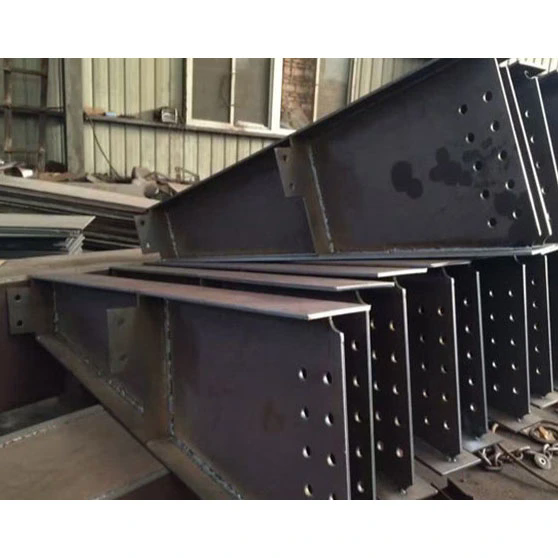
A Steel Structure Beam is a horizontal structural element designed to resist loads applied across its axis. It transfers weight from the roof, floors, or other structural components to columns or vertical supports.
Common types include:
- I-Beam (H-Beam): High load-bearing efficiency for large structures
- T-Beam: Often used in reinforced concrete systems
- Box Beam: Provides torsional resistance for bridges
- Channel Beam: Suitable for lightweight frameworks
Each type serves different engineering purposes depending on load requirements, span length, and environmental conditions.
Key Benefits of Steel Structure Beam
Steel beams provide multiple advantages that directly address construction challenges such as structural instability, long project timelines, and high maintenance costs.
| Benefit | Description |
|---|---|
| High Strength-to-Weight Ratio | Supports heavy loads while reducing overall structural weight |
| Fast Construction | Prefabricated components reduce on-site labor time |
| Durability | Resistant to deformation, cracking, and environmental stress |
| Design Flexibility | Suitable for complex architectural structures |
| Recyclability | Steel materials can be reused, reducing waste |
Engineering Considerations
The design of a Steel Structure Beam requires careful analysis of load distribution, material grade, and environmental impact. Engineers typically evaluate:
- Dead loads (self-weight of structure)
- Live loads (occupants, equipment)
- Wind and seismic forces
- Span length and support conditions
Advanced structural modeling software is often used to simulate stress distribution and ensure safety margins are met. Material selection, such as Q235 or Q355 steel grades, also plays a crucial role in performance optimization.
Application Scenarios
Steel beams are widely used across multiple industries due to their adaptability and strength:
- Industrial workshops and factories
- Commercial shopping complexes
- Bridge construction projects
- Airport terminals and stations
- High-rise residential buildings
In each application, steel beams provide structural reliability while enabling architects to design larger open spaces without excessive column usage.
Installation Process Overview
The installation of Steel Structure Beam typically follows a structured engineering workflow:
- Site preparation and foundation inspection
- Prefabrication of steel components in factory conditions
- Transportation to construction site
- On-site assembly using cranes and bolting systems
- Welding and reinforcement of joints
- Final structural inspection and load testing
This modular approach significantly reduces construction risks and improves overall project efficiency.
Cost Factors
Several factors influence the total cost of steel beam projects:
- Steel material grade and market price fluctuations
- Project scale and complexity
- Fabrication and transportation costs
- Labor and installation requirements
- Protective coatings (anti-corrosion treatment)
While initial investment may be higher compared to traditional materials, long-term maintenance savings and durability often result in lower lifecycle costs.
Challenges and Engineering Solutions
Despite its advantages, Steel Structure Beam applications may face several challenges:
- Corrosion Risk: Solved through galvanization and protective coatings
- Thermal Expansion: Managed through expansion joints
- High Initial Cost: Offset by reduced maintenance expenses
- Complex Installation: Mitigated by prefabrication and modular design
Proper engineering planning ensures these challenges do not affect structural integrity or project timelines.
HAISHENG Steel Structure Solutions
HAISHENG is a professional manufacturer specializing in high-quality steel structural components, including advanced Steel Structure Beam systems designed for global construction demands. With strong engineering capability and strict quality control, HAISHENG ensures every beam meets international standards for strength, precision, and durability.
By integrating modern production technology and experienced technical teams, HAISHENG delivers customized solutions for industrial, commercial, and infrastructure projects. Whether it is a large-span warehouse or a complex bridge system, HAISHENG provides reliable structural support that enhances project performance and safety.
Frequently Asked Questions (FAQ)
Q1: What makes Steel Structure Beam better than concrete beams?
Steel beams offer higher strength-to-weight ratio, faster installation, and better flexibility in design compared to concrete beams.
Q2: How long does a steel beam structure last?
With proper maintenance and anti-corrosion treatment, steel structures can last 50 years or more.
Q3: Are steel beams suitable for earthquake-prone areas?
Yes. Steel’s ductility allows it to absorb seismic energy effectively, making it highly suitable for earthquake resistance.
Q4: Can steel beams be customized for different projects?
Yes. Manufacturers like HAISHENG provide customized design and fabrication based on project requirements.
Conclusion
The Steel Structure Beam is a cornerstone of modern construction engineering, offering unmatched advantages in strength, durability, and efficiency. From industrial facilities to large-scale infrastructure, steel beams provide reliable structural performance while optimizing construction timelines and long-term costs.
With advanced manufacturing capabilities and strict quality standards, HAISHENG continues to deliver dependable steel beam solutions that support global construction needs. For project consultation, technical support, or customized solutions, contact us today at HAISHENG — contact us to build stronger, safer, and more efficient structures.