

How Does Stainless Steel Tube Deliver Strength, Durability, and Industrial Reliability?
2026-06-16
Article Abstract
Stainless steel tubes are widely used across construction, manufacturing, energy, automotive, and fluid transportation systems due to their corrosion resistance, mechanical strength, and long service life. This article provides a comprehensive breakdown of stainless steel tube types, production processes, performance characteristics, application scenarios, and selection criteria. It is designed to help engineers, procurement specialists, and project planners understand how to choose the right stainless steel tubing for different operational environments while avoiding common material selection mistakes.
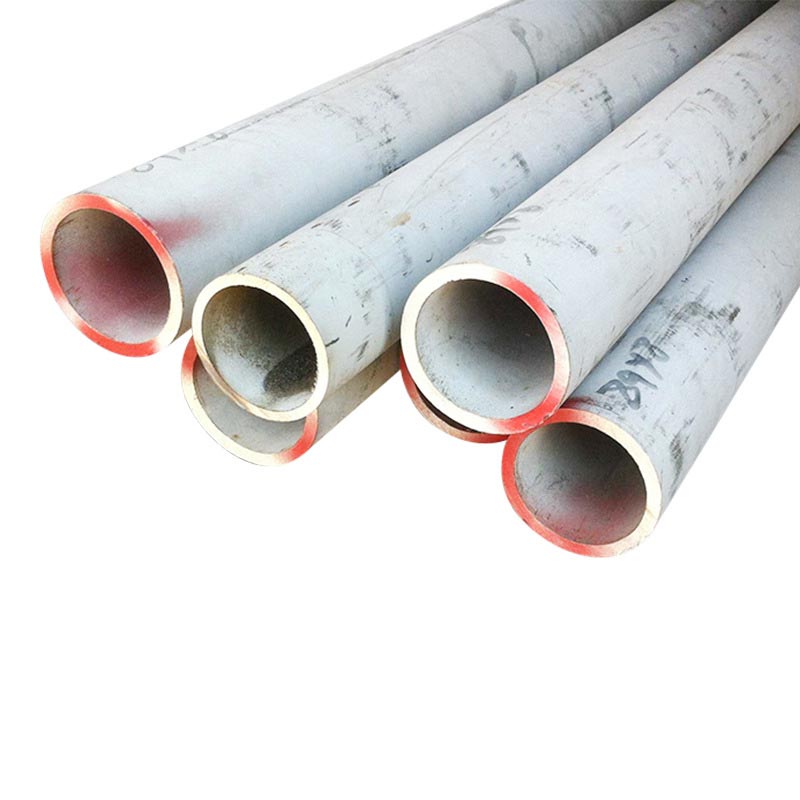
Table of Contents
- Outline Overview
- 1. Introduction to Stainless Steel Tube
- 2. Types of Stainless Steel Tube
- 3. Manufacturing Process
- 4. Key Properties and Performance
- 5. Industrial Applications
- 6. Selection Guidelines
- 7. Common Quality Issues
- 8. Maintenance and Service Life
- 9. Material Comparison Table
- 10. Industry Standards
- 11. Frequently Asked Questions
- 12. Conclusion
Outline Overview
- Understanding stainless steel tube fundamentals
- Classification and structural types
- Production technologies and quality control
- Mechanical and chemical performance advantages
- Real-world application scenarios across industries
- Engineering selection principles
- Failure risks and preventive strategies
- Lifecycle optimization and maintenance practices
1. Introduction to Stainless Steel Tube
A stainless steel tube is a hollow cylindrical product made from stainless steel alloys containing chromium, nickel, and other stabilizing elements. Its primary value lies in corrosion resistance, structural integrity, and adaptability under high-pressure and high-temperature conditions. Unlike carbon steel, stainless steel tubing forms a passive oxide layer that protects the surface from rust and oxidation.
In modern engineering systems, stainless steel tubes are critical components in fluid transport, structural frameworks, heat exchange systems, and precision instrumentation. Their performance reliability directly impacts system safety and operational efficiency.
2. Types of Stainless Steel Tube
Stainless steel tubes are classified based on manufacturing methods, surface finish, and structural characteristics.
- Seamless Stainless Steel Tube: Produced without welding seams, offering high pressure resistance and uniform structure.
- Welded Stainless Steel Tube: Manufactured by rolling and welding steel strips; cost-effective and widely used.
- Polished Tube: Designed for aesthetic and hygienic applications such as food processing.
- Annealed Tube: Heat-treated for improved ductility and reduced internal stress.
3. Manufacturing Process
The production of stainless steel tubes involves several precise stages that ensure mechanical strength and dimensional accuracy.
- Raw Material Selection: High-quality stainless steel billets or coils are selected based on grade requirements (304, 316, 321, etc.).
- Forming: Tubes are shaped through extrusion or roll-forming techniques.
- Welding (for welded tubes): High-frequency welding ensures seam integrity.
- Heat Treatment: Annealing improves ductility and eliminates internal stress.
- Pickling and Polishing: Surface contaminants are removed for corrosion resistance enhancement.
- Quality Testing: Includes ultrasonic testing, hydrostatic pressure testing, and dimensional inspection.
Companies such as Wuxi Jianbanghaoda Steel Co., Ltd. apply strict quality control protocols to ensure that stainless steel tubes meet international engineering and industrial requirements.
4. Key Properties and Performance
Stainless steel tubes are preferred in demanding environments due to their exceptional material properties.
- Corrosion Resistance: Chromium content forms a passive protective layer.
- High Strength-to-Weight Ratio: Suitable for structural and mechanical applications.
- Temperature Resistance: Performs reliably in both cryogenic and high-heat conditions.
- Hygienic Surface: Smooth finish prevents bacterial accumulation.
- Long Service Life: Reduced maintenance requirements over time.
5. Industrial Applications
Stainless steel tubes are used across multiple industries where durability and safety are critical.
- Oil and gas pipeline systems
- Heat exchangers and boilers
- Automotive exhaust systems
- Construction structural frameworks
- Food and beverage processing equipment
- Medical and pharmaceutical instruments
- Water treatment and desalination systems
6. Selection Guidelines
Selecting the correct stainless steel tube requires evaluating technical and environmental factors.
- Material Grade: 304 for general use, 316 for marine or chemical environments.
- Wall Thickness: Determines pressure handling capacity.
- Diameter Requirements: Must align with flow rate and structural needs.
- Surface Finish: Polished surfaces for hygiene-sensitive industries.
- Corrosion Exposure: Chemical and humidity conditions must be assessed.
7. Common Quality Issues
Despite advanced manufacturing processes, several quality issues may occur:
- Surface pitting due to improper alloy composition
- Weld seam weakness in low-quality welded tubes
- Dimensional inconsistency affecting assembly compatibility
- Residual stress leading to deformation under load
Reliable suppliers implement rigorous inspection systems to eliminate these risks before shipment.
8. Maintenance and Service Life
Although stainless steel tubes require minimal maintenance, proper handling significantly extends operational lifespan.
- Regular cleaning to remove chemical deposits
- Avoiding prolonged exposure to chloride-rich environments
- Periodic inspection for micro-cracks or corrosion spots
- Proper storage in dry, ventilated conditions
9. Material Comparison Table
| Material Type | Corrosion Resistance | Strength | Cost | Application Suitability |
|---|---|---|---|---|
| Stainless Steel Tube | Very High | High | Medium-High | Industrial, marine, medical |
| Carbon Steel Tube | Low | High | Low | Structural use, non-corrosive environments |
| Galvanized Steel Tube | Medium | Medium | Medium | Outdoor construction |
10. Industry Standards
Stainless steel tubes are manufactured under strict international standards to ensure consistency and safety. Common standards include ASTM A312, ASTM A213, and EN 10216. These standards define chemical composition, mechanical properties, testing requirements, and dimensional tolerances.
11. Frequently Asked Questions
Q1: What is the difference between seamless and welded stainless steel tubes?
A1: Seamless tubes have no weld seam and offer higher pressure resistance, while welded tubes are more cost-effective and suitable for general applications.
Q2: Which stainless steel grade is best for corrosion resistance?
A2: Grade 316 is widely preferred for harsh environments due to its molybdenum content, which enhances resistance to chloride corrosion.
Q3: Can stainless steel tubes be used in high-temperature applications?
A3: Yes, certain grades such as 321 and 310S are designed for elevated temperature resistance.
Q4: How long does a stainless steel tube last?
A4: With proper selection and maintenance, stainless steel tubes can last several decades depending on environmental conditions.
12. Conclusion
Stainless steel tubes remain a foundational material in modern engineering due to their unmatched balance of strength, durability, and corrosion resistance. Proper selection, manufacturing quality, and maintenance practices are essential to maximize performance and lifespan in industrial environments.
With advanced production capabilities and strict quality control systems, Wuxi Jianbanghaoda Steel Co., Ltd. provides stainless steel tube solutions that meet diverse industrial requirements, from heavy engineering to precision applications.
For high-quality stainless steel tube solutions, technical consultation, and customized specifications, please contact us today to discuss your project requirements and receive professional support.
