

How Does Stainless Steel Pipe Improve Performance and Reliability in Modern Piping Systems?
2026-08-24
Article Summary: Stainless Steel Pipe is widely selected for industrial, commercial, construction, food processing, chemical, water treatment, and high-temperature applications because it combines corrosion resistance, mechanical strength, durability, clean internal surfaces, and relatively low maintenance requirements. However, choosing the wrong grade, wall thickness, manufacturing method, or surface finish can lead to premature corrosion, unnecessary costs, installation problems, or poor service performance. This guide explains how Stainless Steel Pipe works in practical applications, how to select the appropriate material, how welded and seamless pipes differ, and which factors should be evaluated before purchasing. It also explains how Lingchuang approaches stainless steel pipe supply for customers who need dependable material selection and customized solutions.
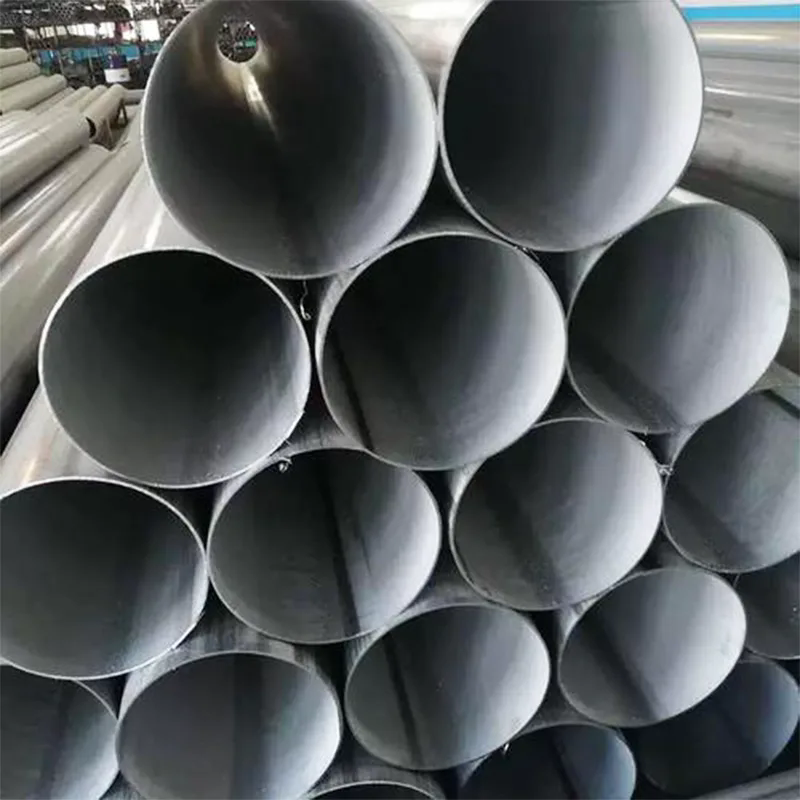
Table of Contents
- What Makes Stainless Steel Pipe Suitable for Modern Piping Systems?
- How Does Stainless Steel Pipe Deliver Corrosion Resistance and Strength?
- How Should You Choose Between Welded and Seamless Stainless Steel Pipe?
- How Do Stainless Steel Grades Affect Pipe Performance?
- How Can You Select the Right Stainless Steel Pipe for Your Application?
- How Does Wall Thickness Affect Stainless Steel Pipe Performance?
- How Does Surface Finish Influence Stainless Steel Pipe Quality?
- How Is Stainless Steel Pipe Used Across Different Industries?
- How Can Common Stainless Steel Pipe Problems Be Prevented?
- How Can Buyers Evaluate Stainless Steel Pipe Quality?
- How Does Lingchuang Support Stainless Steel Pipe Projects?
- Frequently Asked Questions About Stainless Steel Pipe
- Conclusion
Article Outline
- Material fundamentals: Understand the structural characteristics that make stainless steel suitable for demanding piping systems.
- Product selection: Compare welded and seamless construction and understand how different grades affect performance.
- Engineering considerations: Evaluate pressure, temperature, corrosion exposure, wall thickness, dimensions, and surface requirements.
- Application guidance: Match stainless steel pipe characteristics with industrial, construction, food, chemical, and environmental applications.
- Purchasing guidance: Identify quality-control points that can reduce installation problems and long-term maintenance costs.
What Makes Stainless Steel Pipe Suitable for Modern Piping Systems?
Stainless Steel Pipe is designed for applications where ordinary carbon steel or lower-grade materials may not provide sufficient resistance to corrosion, moisture, temperature changes, or demanding operating conditions. Its value comes from the combination of alloy composition, mechanical properties, manufacturing technology, and surface quality.
Unlike conventional steel products that can require coatings or regular protection against atmospheric corrosion, stainless steel naturally forms a thin passive oxide layer when exposed to oxygen. This protective layer helps the material resist many common forms of corrosion. The result is a piping material that can perform reliably in environments involving water, humidity, chemicals, food products, outdoor exposure, and industrial fluids.
Another important advantage is durability. A properly selected stainless steel pipe can maintain dimensional stability and structural performance for many years when operated within its intended temperature, pressure, and chemical limits.
For project owners, the key benefit is not simply a longer-lasting pipe. Reliable piping can reduce unexpected shutdowns, replacement work, leakage risks, cleaning requirements, and maintenance interruptions. This is particularly important when pipe replacement would require production stoppage or difficult access to installed equipment.
How Does Stainless Steel Pipe Deliver Corrosion Resistance and Strength?
The performance of Stainless Steel Pipe starts with its alloy composition. Chromium is one of the most important elements because it contributes to the formation of a passive protective film on the steel surface. Depending on the grade, nickel, molybdenum, titanium, nitrogen, and other alloying elements can further modify corrosion resistance, strength, weldability, or high-temperature performance.
This combination gives stainless steel several useful characteristics:
- Corrosion resistance: Suitable grades can resist moisture, atmospheric exposure, and many corrosive media.
- Mechanical strength: Stainless steel provides a strong structural base for fluid transport and equipment fabrication.
- Temperature stability: Certain grades are engineered for elevated-temperature service.
- Hygienic surfaces: Smooth stainless surfaces can be easier to clean and maintain in sanitary applications.
- Fabrication flexibility: Many stainless grades can be cut, formed, welded, polished, or otherwise processed according to project requirements.
- Long-term durability: Proper material selection can reduce the frequency of replacement.
It is important to remember that stainless steel is not universally corrosion-proof. Chlorides, strong acids, high temperatures, stagnant conditions, crevices, and contamination from other metals can create specific corrosion risks. Therefore, material selection should always consider the actual operating environment.
How Should You Choose Between Welded and Seamless Stainless Steel Pipe?
One of the first decisions when purchasing Stainless Steel Pipe is whether the application requires welded or seamless construction. Neither manufacturing method is automatically better for every project. The appropriate choice depends on pressure, dimensions, fluid characteristics, manufacturing requirements, budget, and applicable standards.
| Feature | Welded Stainless Steel Pipe | Seamless Stainless Steel Pipe |
|---|---|---|
| Manufacturing | Produced by forming steel material and joining the seam through welding | Produced without a longitudinal welded seam |
| Cost | Often economical for many standard applications | Generally higher due to manufacturing complexity |
| Dimensional options | Broad range of sizes and wall thicknesses can be available | Commonly selected for applications requiring seamless construction |
| Typical applications | Construction, water systems, industrial piping, architectural applications | High-pressure, demanding industrial, and critical process applications |
| Fabrication | Can be processed according to the required project specification | Suitable where seamless construction is an important engineering requirement |
For many general fluid transportation and fabrication applications, welded stainless steel pipe offers an attractive balance between performance and cost. Where operating conditions demand seamless construction, a seamless product may be the more appropriate option.
The most important point is to select the manufacturing method based on engineering requirements rather than assuming that one type is universally superior.
How Do Stainless Steel Grades Affect Pipe Performance?
Different stainless steel grades are designed for different combinations of corrosion resistance, strength, temperature capability, fabrication characteristics, and cost. Selecting a grade simply because it is widely used can create problems if the actual operating environment is more aggressive.
| Grade | Main Characteristics | Common Applications |
|---|---|---|
| 201 | Economical stainless steel option with good formability for suitable environments | Decoration, structural fabrication, general-purpose applications |
| 304 / 304L | Excellent general-purpose corrosion resistance and good weldability | Water systems, food processing, construction, industrial piping |
| 316 / 316L | Enhanced resistance to chloride-containing and more demanding environments | Chemical processing, marine applications, medical equipment, specialized piping |
| 321 | Stabilized grade with good resistance to intergranular corrosion and elevated-temperature service | Heat-related equipment, thermal piping, industrial applications |
| 309S / 310S | Strong high-temperature and oxidation resistance | Furnaces, heat-treatment systems, high-temperature exhaust and industrial equipment |
| 2205 Duplex | High strength with strong resistance to several forms of corrosion | Marine engineering, chemical processing, demanding wastewater and industrial systems |
The correct grade should be determined by the fluid, concentration, temperature, pressure, chloride exposure, cleaning method, expected service life, and applicable industry requirements. A small increase in material cost can be worthwhile if it prevents premature corrosion and replacement.
How Can You Select the Right Stainless Steel Pipe for Your Application?
Choosing a Stainless Steel Pipe should begin with operating conditions rather than price alone. A low purchase price may become expensive if the pipe needs frequent replacement or cannot withstand the actual service environment.
Before placing an order, evaluate the following factors:
- Fluid characteristics: Identify whether the pipe will transport water, chemicals, gases, food products, wastewater, steam, or another medium.
- Corrosion exposure: Consider chlorides, acids, alkalis, salt spray, humidity, and other aggressive substances.
- Operating temperature: Confirm both continuous and peak temperatures.
- Operating pressure: Select dimensions and wall thickness according to the required pressure rating and applicable design rules.
- Pipe diameter: Match the internal diameter with required flow rate and system pressure loss.
- Wall thickness: Balance pressure resistance, mechanical requirements, corrosion allowance, weight, and cost.
- Connection method: Determine whether the system will use welding, threaded connections, flanges, clamps, or another joining method.
- Surface requirements: Choose a finish appropriate for sanitary, decorative, industrial, or general service.
- Applicable standards: Confirm the dimensional, material, testing, and documentation requirements for the project.
- Expected service life: Consider the total cost of ownership rather than focusing exclusively on initial purchasing price.
A detailed specification sheet can prevent misunderstandings between the buyer, manufacturer, engineer, and installation team. It should clearly identify grade, outside diameter, wall thickness, length, manufacturing method, surface condition, quantity, applicable standard, and inspection requirements.
How Does Wall Thickness Affect Stainless Steel Pipe Performance?
Wall thickness is directly connected to the pipe's weight, mechanical capacity, pressure performance, cost, and installation requirements. Choosing a wall that is too thin may create structural or pressure-related problems, while excessive thickness can increase material consumption, transportation costs, welding time, and project expenses.
For example, a piping system transporting a low-pressure fluid in a controlled indoor environment may have very different wall-thickness requirements from a chemical process line exposed to pressure, temperature fluctuations, and corrosive media.
Wall thickness should therefore be determined using the relevant engineering calculations and project standards. Corrosion allowance, external loads, vibration, thermal expansion, support spacing, and fabrication conditions may also need to be considered.
Buyers should avoid selecting thickness based solely on visual appearance or comparison with another installation. The correct specification depends on the complete operating environment.
How Does Surface Finish Influence Stainless Steel Pipe Quality?
Surface finish is more than an aesthetic consideration. It can affect cleanability, appearance, fabrication, corrosion behavior, and suitability for specific applications.
Common surface treatments include polished, brushed, pickled, and passivated finishes. The appropriate choice depends on the final application.
- Polished surfaces: Often preferred for decorative, sanitary, and applications where a smooth appearance is important.
- Brushed surfaces: Provide a consistent appearance and are frequently used in architectural and decorative projects.
- Pickled surfaces: Can help remove surface oxides and residues generated during manufacturing or welding.
- Passivated surfaces: Help restore the protective passive surface condition after suitable processing.
Proper handling after finishing is also important. Stainless steel surfaces should be protected from contamination by carbon steel particles, unsuitable abrasives, or other materials that can compromise the appearance and corrosion performance of the finished pipe.
How Is Stainless Steel Pipe Used Across Different Industries?
The versatility of Stainless Steel Pipe makes it useful in a wide range of environments. Different grades and manufacturing configurations allow the material to serve both ordinary infrastructure and technically demanding industrial systems.
| Industry | Typical Uses | Important Requirements |
|---|---|---|
| Food and Beverage | Fluid transportation, processing equipment, sanitary piping | Cleanability, corrosion resistance, appropriate surface condition |
| Chemical Industry | Process lines, chemical fluid transportation, equipment connections | Grade compatibility, corrosion resistance, pressure and temperature performance |
| Water Treatment | Water transportation, treatment equipment, process piping | Moisture resistance, durability, suitable material grade |
| Construction | Handrails, structural components, architectural piping and utilities | Appearance, dimensional accuracy, weather resistance |
| Marine Engineering | Fluid systems and equipment exposed to marine environments | Resistance to chloride and salt exposure |
| Energy and Thermal Systems | Heat-related piping, exhaust systems, industrial equipment | Temperature resistance, oxidation resistance, mechanical stability |
| Environmental Engineering | Wastewater, treatment facilities, corrosive process systems | Long-term corrosion resistance and reliable fabrication |
How Can Common Stainless Steel Pipe Problems Be Prevented?
Even high-quality stainless steel can experience problems when the wrong grade or installation method is used. Understanding common failure causes helps buyers and engineers avoid unnecessary maintenance.
Problem 1: Unexpected Corrosion
Corrosion may occur when the selected grade is not compatible with the operating medium. Chloride exposure is a particular concern in many coastal, marine, chemical, and industrial environments.
Prevention: Review the chemical composition, concentration, temperature, and exposure conditions before choosing the grade.
Problem 2: Leakage at Welded Areas
Poor welding practices, inadequate preparation, improper heat input, or unsuitable post-weld treatment can compromise a piping system.
Prevention: Use appropriate welding procedures, qualified fabrication practices, and inspection methods suitable for the application.
Problem 3: Incorrect Dimensions
Small dimensional errors can cause installation delays, especially when pipes must connect to prefabricated equipment, valves, fittings, or flanges.
Prevention: Confirm outside diameter, wall thickness, length, tolerances, and connection specifications before production.
Problem 4: Surface Contamination
Contact with carbon steel dust, unsuitable tools, or contaminated storage areas can leave particles on stainless steel surfaces and contribute to localized corrosion.
Prevention: Use suitable handling procedures and keep stainless steel products separated from contaminating materials during fabrication and storage.
Problem 5: Buying Based Only on Price
The cheapest pipe is not necessarily the most economical solution. Material grade, dimensional accuracy, inspection, documentation, surface quality, and delivery reliability can have a major effect on total project cost.
Prevention: Compare complete specifications and supplier capabilities rather than comparing unit prices alone.
How Can Buyers Evaluate Stainless Steel Pipe Quality?
Purchasing a Stainless Steel Pipe from a reliable supplier requires more than checking the product name. Buyers should establish clear acceptance criteria before production and shipment.
- Verify the specified stainless steel grade.
- Check outside diameter and wall thickness.
- Confirm pipe length and dimensional tolerances.
- Review the required manufacturing method.
- Confirm surface finish and appearance requirements.
- Check welding quality when purchasing welded pipe.
- Request appropriate material and inspection documentation.
- Confirm packaging suitable for long-distance transportation.
- Ensure the supplier understands the intended application.
- Clarify customization, delivery, and after-sales communication before ordering.
For larger industrial projects, buyers may also establish inspection procedures covering chemical composition, mechanical properties, dimensions, surface condition, weld integrity, and other requirements specified by the project or applicable standard.
How Does Lingchuang Support Stainless Steel Pipe Projects?
Lingchuang is a China-based stainless steel and metal product supplier serving customers who require stainless steel materials for industrial, construction, engineering, and commercial applications. Its Stainless Steel Pipe product range covers multiple grades and configurations designed for different performance requirements.
Lingchuang's product portfolio includes stainless steel welded pipes in grades such as 2507, 2205, 254SMO, 309S, 321, and 310S. These materials address different requirements, from general corrosion resistance to high-temperature service and demanding corrosive environments.
For customers, the most important advantage of working with an experienced supplier is the ability to match product specifications with the actual project rather than simply selecting a generic pipe. Diameter, wall thickness, length, material grade, surface treatment, and processing requirements can all influence whether a pipe is appropriate for a particular application.
Lingchuang also supports customized requirements for customers who need specific dimensions or processing conditions. This can be particularly useful for engineering projects where standard off-the-shelf dimensions do not precisely match the system design.
When evaluating a supplier, customers should consider product range, material knowledge, manufacturing capabilities, quality control, communication, documentation, packaging, and delivery consistency. These factors can have a direct effect on project efficiency and long-term operating reliability.
Frequently Asked Questions About Stainless Steel Pipe
1. What is Stainless Steel Pipe mainly used for?
Stainless Steel Pipe is used for fluid transportation, process piping, water systems, food and beverage equipment, chemical systems, construction, marine applications, heat-related equipment, and environmental engineering. The appropriate grade depends on the operating conditions.
2. Is 304 stainless steel pipe suitable for general applications?
304 and 304L are widely used general-purpose stainless steel grades because they offer a useful balance of corrosion resistance, weldability, formability, and cost. However, they may not be the best choice for highly chloride-rich or particularly aggressive chemical environments.
3. When should 316L Stainless Steel Pipe be considered?
316L is often considered when improved resistance to chloride-containing environments and certain chemical exposures is required. It is commonly used in marine, chemical, food, medical, and other demanding applications.
4. What is the difference between welded and seamless Stainless Steel Pipe?
Welded pipe is manufactured by forming material and joining it through a weld, while seamless pipe is produced without a longitudinal welded seam. The correct option depends on pressure, application, dimensions, standards, and project requirements.
5. Does thicker Stainless Steel Pipe always mean better performance?
No. Thickness should be selected according to pressure, mechanical loads, corrosion considerations, temperature, design requirements, and applicable standards. Excessive thickness can add unnecessary weight and cost without providing a meaningful benefit.
6. Can Stainless Steel Pipe be used outdoors?
Yes. Stainless steel is commonly used outdoors because many grades offer strong resistance to atmospheric moisture and corrosion. In coastal or salt-rich environments, however, the material grade should be selected carefully because chloride exposure can increase corrosion risk.
7. Can Stainless Steel Pipe be customized?
Depending on the supplier and production capability, stainless steel pipe can be supplied or processed to meet specific requirements involving diameter, wall thickness, length, surface finish, grade, and other project specifications. Customers should confirm customization requirements before production.
8. How should Stainless Steel Pipe be stored?
Stainless steel pipe should be stored in a clean, dry environment and protected from unnecessary contact with carbon steel, corrosive chemicals, and contaminants. Proper packaging and handling are especially important during long-distance transportation.
9. How can I choose the right stainless steel grade?
Start with the actual service conditions: fluid composition, chloride exposure, temperature, pressure, cleaning chemicals, mechanical loads, and expected service life. Then compare suitable grades and verify the selection against the applicable engineering requirements.
10. Why is supplier selection important for Stainless Steel Pipe?
A capable supplier can help reduce specification errors, material mismatches, dimensional problems, and delivery issues. Buyers should evaluate technical capability, product consistency, inspection procedures, documentation, customization support, and communication in addition to price.
Conclusion
Stainless Steel Pipe remains an important solution for modern piping systems because it combines corrosion resistance, mechanical strength, durability, cleanability, and fabrication flexibility. However, achieving reliable performance depends on selecting the correct grade, manufacturing method, diameter, wall thickness, surface condition, and connection method for the intended application.
The best purchasing decision is therefore not simply to choose the lowest-cost stainless steel pipe. A better approach is to evaluate the complete operating environment and select a specification that balances performance, service life, installation requirements, maintenance, and total project cost.
Whether the requirement involves general industrial piping, food processing, water treatment, chemical transportation, high-temperature equipment, marine engineering, or customized fabrication, the right material selection can make a significant difference to system reliability.
Lingchuang provides stainless steel pipe solutions for customers seeking different grades, dimensions, surface treatments, and application-specific configurations. If you are planning a new project or replacing an existing piping system, contact us with your required grade, size, wall thickness, quantity, application, and delivery requirements to discuss a suitable Stainless Steel Pipe solution.