

How Does Spiral Tube Improve Industrial Piping Performance?
2026-07-09
Article Summary
Spiral Tube has become an essential solution for industries that require reliable, durable, and efficient piping systems. From construction and mechanical engineering to fluid transportation and structural applications, spiral tubes provide excellent strength, flexibility, and cost efficiency. However, choosing the right tube type, understanding manufacturing quality, and ensuring long-term performance remain major challenges for many buyers.
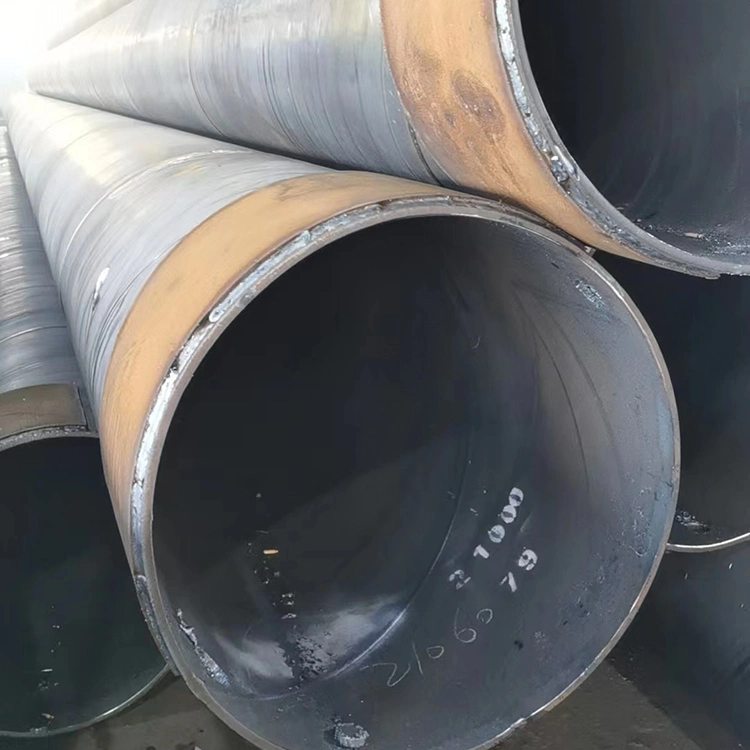
This article explains how Spiral Tube works, why it is widely used, what advantages it offers compared with traditional tube solutions, and how companies can select suitable products for different applications. With practical insights into materials, manufacturing processes, quality considerations, and common questions, this guide helps businesses make better decisions when sourcing spiral tube products.
Table of Contents
- What Is Spiral Tube?
- How Is Spiral Tube Manufactured?
- Why Choose Spiral Tube for Industrial Applications?
- Where Is Spiral Tube Commonly Used?
- How to Select the Right Spiral Tube?
- Spiral Tube Compared with Other Tube Types
- Key Quality Factors When Purchasing Spiral Tube
- Frequently Asked Questions About Spiral Tube
- Conclusion
What Is Spiral Tube?
Spiral Tube is a type of tubular product manufactured by forming metal strips or plates into a spiral shape and joining the edges through advanced welding technology. Unlike conventional straight-seam tubes, spiral tubes feature a continuous helical seam structure, which provides unique mechanical properties and manufacturing advantages.
The design of Spiral Tube allows manufacturers to produce tubes with different diameters and lengths while maintaining consistent strength and dimensional accuracy. This makes them suitable for projects where durability, adaptability, and efficient production are important.
Depending on application requirements, Spiral Tube can be produced from various materials, including carbon steel, stainless steel, and other alloy materials. Material selection depends on factors such as pressure requirements, environmental conditions, corrosion resistance, and operating temperature.
How Is Spiral Tube Manufactured?
The manufacturing process of Spiral Tube involves several carefully controlled steps to ensure reliable performance. Understanding this process helps buyers evaluate product quality and manufacturing capability.
- Material Preparation: High-quality steel coils or metal strips are selected according to required specifications.
- Forming Process: The metal strip is gradually shaped into a cylindrical spiral structure through precision forming equipment.
- Spiral Welding: The spiral seam is continuously welded to create a strong and stable tube body.
- Size Adjustment: The tube is adjusted to achieve accurate diameter, thickness, and roundness.
- Quality Inspection: Finished products undergo inspections to verify welding strength, surface quality, and dimensional accuracy.
A professional manufacturing process directly influences the service life and reliability of Spiral Tube. Manufacturers with advanced equipment and strict quality management can provide products that perform consistently in demanding environments.
Why Choose Spiral Tube for Industrial Applications?
Many industries choose Spiral Tube because it combines structural strength, production efficiency, and application flexibility. Compared with some traditional tube solutions, spiral tubes provide several practical benefits.
| Feature | Benefit |
|---|---|
| Continuous Spiral Welding | Provides strong structural integrity and reliable performance. |
| Flexible Diameter Production | Allows customization for different engineering requirements. |
| Efficient Manufacturing | Reduces production difficulty and improves material utilization. |
| Strong Load Capacity | Suitable for applications requiring durability and stability. |
| Material Options | Supports different working environments and performance needs. |
One major advantage of Spiral Tube is its excellent strength-to-cost ratio. The spiral forming method allows manufacturers to efficiently produce large-diameter tubes while maintaining dependable mechanical performance. This makes Spiral Tube an economical choice for many industrial projects.
Where Is Spiral Tube Commonly Used?
Due to its versatility, Spiral Tube is widely used across multiple industries. Different sectors rely on spiral tubes because they provide stable performance under various operating conditions.
- Ventilation Systems: Spiral tubes are commonly used in air duct systems because of their smooth internal surface and efficient airflow characteristics.
- Construction Projects: They can serve as structural components in buildings, bridges, and infrastructure projects.
- Fluid Transportation: Spiral tubes are used for transporting water, gas, and other industrial fluids.
- Mechanical Equipment: They support machinery manufacturing where durable tubular structures are required.
- Energy Projects: They are applied in systems requiring reliable metal piping solutions.
The wide application range of Spiral Tube demonstrates its ability to meet different engineering challenges. Whether used in commercial buildings or heavy industrial facilities, selecting a suitable tube specification is essential for achieving optimal results.
How to Select the Right Spiral Tube?
Choosing the correct Spiral Tube requires careful consideration of several technical and practical factors. Incorrect selection may lead to reduced efficiency, higher maintenance costs, or premature replacement.
- Determine Application Requirements: Understand whether the tube will be used for structural support, fluid transportation, ventilation, or other purposes.
- Select Appropriate Material: Consider corrosion resistance, temperature conditions, and environmental exposure.
- Check Dimensions: Diameter, wall thickness, and length should match project requirements.
- Evaluate Manufacturing Standards: Reliable suppliers should provide consistent quality and inspection records.
- Consider Long-Term Performance: Choose products that balance initial cost with durability.
Working with an experienced supplier can simplify the selection process. Professional manufacturers can provide technical guidance and customized solutions based on specific project needs.
Spiral Tube Compared with Other Tube Types
| Comparison Aspect | Spiral Tube | Traditional Tube |
|---|---|---|
| Manufacturing Method | Spiral forming and continuous welding | Usually straight forming processes |
| Large Diameter Production | Highly suitable | May require more complex processes |
| Production Efficiency | Efficient for large-scale manufacturing | Depends on production method |
| Application Flexibility | Suitable for many industrial uses | Varies by tube type |
Although different tube types have their own advantages, Spiral Tube is often preferred when projects require large dimensions, reliable strength, and efficient production.
Key Quality Factors When Purchasing Spiral Tube
Purchasing Spiral Tube is not only about selecting a product with the right dimensions. Quality control throughout manufacturing plays a significant role in determining final performance.
- Raw Material Quality: High-grade steel ensures better durability and resistance to operational stress.
- Welding Reliability: Strong welding technology helps prevent structural weaknesses.
- Dimensional Accuracy: Precise measurements ensure easier installation and better system performance.
- Surface Condition: Proper surface treatment improves appearance and corrosion protection.
- Supplier Experience: Experienced manufacturers understand different industry requirements.
Shenghui Metal focuses on providing reliable Spiral Tube solutions with professional manufacturing capabilities and attention to product quality. By combining suitable materials, advanced production methods, and strict inspection procedures, the company supports customers in achieving stable and efficient project results.
Frequently Asked Questions About Spiral Tube
Q1: What materials are commonly used for Spiral Tube?
Spiral Tube is commonly manufactured from carbon steel, stainless steel, and other alloy materials. The best material depends on application requirements, environmental conditions, and expected service life.
Q2: Is Spiral Tube suitable for high-pressure applications?
Yes, properly manufactured Spiral Tube can be used in applications requiring strong structural performance. However, users should select suitable specifications according to pressure, temperature, and industry standards.
Q3: What industries use Spiral Tube?
Spiral Tube is widely used in construction, ventilation, mechanical equipment, infrastructure, and fluid transportation industries because of its durability and flexibility.
Q4: How can I ensure the quality of Spiral Tube?
Buyers should evaluate raw materials, welding technology, manufacturing experience, inspection procedures, and supplier reputation before making a purchase decision.
Q5: Can Spiral Tube be customized?
Many manufacturers provide customized options including different diameters, thicknesses, lengths, and material choices to meet specific engineering requirements.
Conclusion
Spiral Tube provides an effective solution for industries seeking strong, flexible, and economical tubular products. Its unique spiral structure, efficient manufacturing process, and wide application range make it an important component in modern industrial projects.
For businesses looking for dependable tube solutions, selecting an experienced manufacturer is essential. Shenghui Metal delivers professional Spiral Tube products designed to meet diverse industrial requirements. If you need high-quality Spiral Tube solutions with reliable support and customized options, please contact us today to discuss your project needs.