Abstract
Single screw systems are widely used in modern manufacturing processes involving extrusion, injection, and material transport. Their simplicity, stability, and cost efficiency make them a preferred choice across multiple industries such as plastics, food processing, chemical engineering, and packaging. However, many buyers and engineers still struggle with understanding how a single screw system works, how to select the right configuration, and how to maintain it for long-term performance. This article provides a comprehensive breakdown of single screw technology, addressing key operational principles, applications, advantages, limitations, and selection criteria to help users make informed decisions.
Introduction to Single Screw Systems
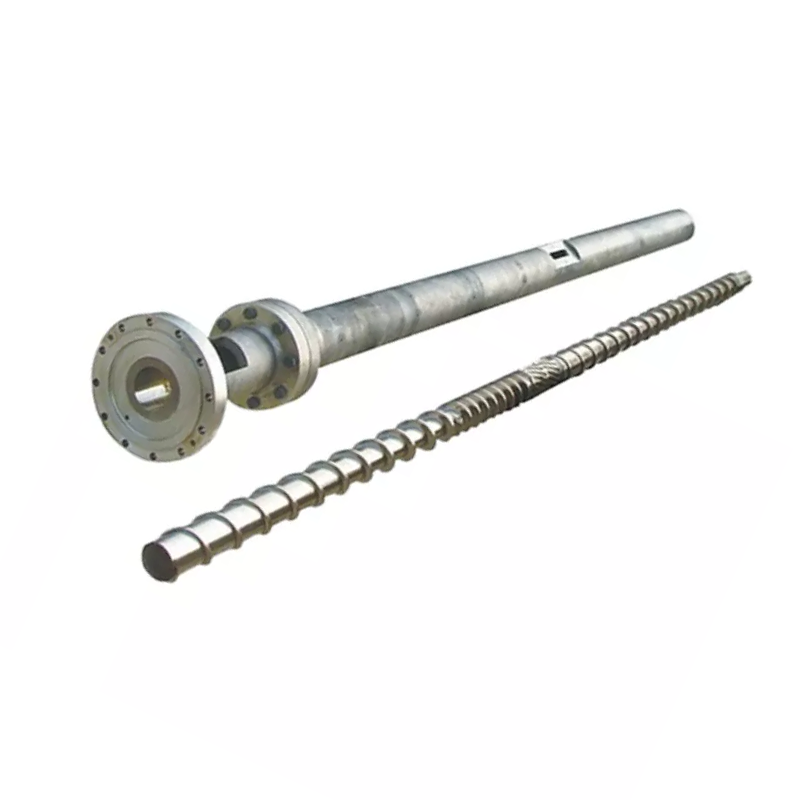
A single screw system is one of the most fundamental mechanical designs used in continuous processing equipment. It consists of a rotating helical screw housed inside a cylindrical barrel. The system is primarily responsible for conveying, compressing, melting, or mixing materials depending on the application. Despite its simple structure, it plays a critical role in ensuring production consistency and efficiency.
Industries rely on single screw mechanisms for their reliability and predictable performance. Compared to more complex systems, it offers easier operation and lower maintenance requirements, making it highly attractive for both small-scale and large-scale production environments.
What is a Single Screw?
A single screw refers to a mechanical element with a continuous helical thread designed to move or process materials inside a confined barrel. It is typically divided into three functional zones:
-
Feed Zone: Where raw materials are introduced and transported forward.
-
Compression Zone: Where materials are compressed and partially melted or compacted.
-
Metering Zone: Where material flow is stabilized and prepared for discharge.
This simple yet effective design ensures controlled movement and processing of materials, making it suitable for a wide range of industrial tasks.
How a Single Screw Works
The working principle of a single screw system is based on rotation and friction. As the screw rotates inside the barrel, it pulls material forward while simultaneously applying pressure and heat through mechanical energy.
The process can be broken down into four key stages:
-
Feeding: Raw material enters the hopper and falls into the screw channel.
-
Transporting: Rotation moves material forward along the barrel.
-
Compression and Melting: Pressure increases, generating heat and transforming material structure.
-
Discharge: Processed material exits through the die or outlet.
The efficiency of this system depends on screw geometry, rotational speed, barrel temperature control, and material properties. Even small adjustments in these parameters can significantly affect output quality.
Industrial Applications
Single screw systems are highly versatile and used in multiple industries. Below are some key application areas:
-
Plastic extrusion for pipes, sheets, and films
-
Injection molding feed systems
-
Food processing such as dough mixing and meat extrusion
-
Chemical compound processing
-
Recycling and material reprocessing systems
In extrusion systems, for example, consistency of output is critical. A well-designed single screw ensures uniform melting and stable flow, reducing production defects.
Key Benefits and Limitations
Advantages:
-
Simple mechanical structure
-
Lower manufacturing and maintenance costs
-
Easy to operate and control
-
Reliable for standard processing tasks
Limitations:
-
Less effective for highly complex mixing tasks
-
Limited performance with highly viscous or sensitive materials
-
Lower flexibility compared to multi-screw systems
Despite these limitations, single screw systems remain the industry standard for many conventional applications due to their balance between cost and performance.
How to Select the Right Single Screw
Choosing the correct single screw configuration is essential for optimal performance. Several factors should be considered:
|
Selection Factor
|
Description
|
|
Material Type
|
Different polymers or compounds require different screw designs.
|
|
Output Capacity
|
Determines screw diameter and length-to-diameter ratio.
|
|
Temperature Sensitivity
|
Impacts heating zone design and barrel configuration.
|
|
Viscosity
|
Affects compression ratio and screw pitch design.
|
Manufacturers like Nanhaiya provide customized single screw solutions tailored to specific industrial requirements, ensuring improved efficiency and reduced operational risks.
Maintenance and Troubleshooting
Proper maintenance is essential for extending equipment lifespan and maintaining consistent output quality. Common maintenance practices include:
-
Regular cleaning of barrel and screw surfaces
-
Monitoring wear on screw flights
-
Checking temperature control systems
-
Lubricating mechanical components where required
Common issues include uneven output, overheating, and material blockages. These problems are often linked to improper screw speed, worn components, or incorrect material feed rates.
Single Screw vs Twin Screw Comparison
|
Feature
|
Single Screw
|
Twin Screw
|
|
Complexity
|
Simple
|
Complex
|
|
Cost
|
Lower
|
Higher
|
|
Mixing Capability
|
Moderate
|
High
|
|
Maintenance
|
Easier
|
More demanding
|
While twin screw systems offer advanced mixing capabilities, single screw systems remain preferred for cost-effective and stable production processes.
FAQ
Q1: What materials can a single screw process?
A wide range of thermoplastics, food materials, and chemical compounds can be processed depending on screw design.
Q2: How long does a single screw last?
With proper maintenance, a single screw can last several years depending on usage intensity and material abrasiveness.
Q3: Can a single screw handle high-viscosity materials?
It can handle moderate viscosity materials, but extremely high-viscosity compounds may require specialized configurations.
Q4: What is the biggest advantage of single screw systems?
Their simplicity and cost efficiency make them ideal for stable, large-scale production.
Conclusion
Single screw systems remain a cornerstone of industrial processing due to their reliability, simplicity, and adaptability. While they may not provide the advanced mixing capabilities of more complex systems, they deliver consistent performance across a wide range of applications. Understanding how they work and how to optimize their configuration is essential for maximizing productivity and reducing operational downtime.
With engineering support and customized solutions from Nanhaiya, businesses can achieve better efficiency, improved product quality, and longer equipment lifespan.
For tailored technical support, product consultation, or customized manufacturing solutions, contact us today and let Nanhaiya help you optimize your single screw systems for superior industrial performance.