

How Does Rigid Tiedown Improve Cargo Safety and Stability in Transport Systems?
2026-07-03
Article Abstract
Rigid tiedown systems are widely used in modern cargo securing operations to ensure that heavy, oversized, or high-value goods remain stable during transportation. Unlike elastic or flexible restraint methods, rigid tiedown solutions provide direct structural resistance against load movement, reducing risks such as sliding, tipping, or shifting. This article explains how rigid tiedown works, its key advantages, industry applications, selection criteria, and best practices for safe usage. It also introduces practical insights from industrial supply chains supported by Ningbo By Really International Trading Co., Ltd.
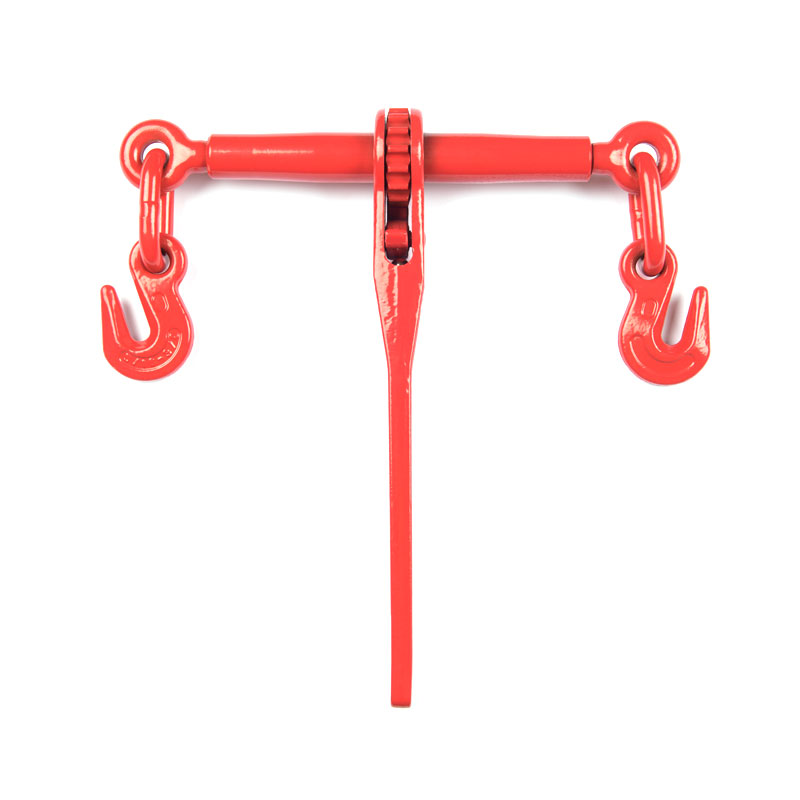
Table of Contents
- 1. Overview of Rigid Tiedown Systems
- 2. How Rigid Tiedown Works
- 3. Key Advantages
- 4. Industrial Applications
- 5. How to Choose the Right Rigid Tiedown
- 6. Installation and Usage Guidelines
- 7. Common Mistakes to Avoid
- 8. Maintenance and Inspection
- 9. Comparison Table: Rigid vs Flexible Tiedown
- 10. Frequently Asked Questions
1. Overview of Rigid Tiedown Systems
Rigid tiedown systems are mechanical load-securing devices designed to restrain cargo using fixed, non-elastic components such as bars, chains, braces, or locking assemblies. Unlike traditional strap-based solutions, rigid systems minimize elongation under tension, ensuring that cargo remains firmly immobilized even under dynamic forces such as braking, vibration, or sudden turns.
These systems are particularly important in logistics environments where precision and safety are critical, including heavy machinery transport, industrial equipment shipping, and containerized cargo operations.
2. How Rigid Tiedown Works
Rigid tiedown systems function by creating a direct mechanical linkage between the cargo and the transport platform. Instead of relying on friction or tension elasticity, they transfer forces through solid components.
- Force Transfer: Load forces are transferred directly to anchor points.
- Structural Locking: Mechanical locking prevents loosening during motion.
- Minimal Elongation: No significant stretch under load pressure.
- Multi-Directional Stability: Resists forward, backward, and lateral movement.
This direct restraint mechanism significantly improves cargo safety during long-distance transportation or unstable road conditions.
3. Key Advantages
Rigid tiedown systems provide several operational and safety benefits:
- Higher Load Security: Prevents cargo displacement even under high inertia forces.
- Reduced Maintenance: Fewer wear-and-tear issues compared to elastic straps.
- Improved Precision: Maintains exact cargo positioning.
- Long Service Life: Built with high-strength steel or alloy materials.
- Enhanced Safety Compliance: Helps meet strict transportation safety regulations.
4. Industrial Applications
Rigid tiedown systems are widely used across multiple industries:
- Heavy machinery transportation
- Construction equipment logistics
- Automotive shipping and export
- Steel structure and pipe transport
- Military and aerospace cargo securing
In global logistics operations, companies such as Ningbo By Really International Trading Co., Ltd. supply engineered tiedown solutions tailored for demanding transport environments.
5. How to Choose the Right Rigid Tiedown
Selecting an appropriate rigid tiedown system depends on several technical factors:
| Factor | Description | Importance |
|---|---|---|
| Load Weight | Total mass of cargo being secured | Critical |
| Transport Type | Truck, ship, rail, or container | High |
| Environmental Conditions | Vibration, humidity, temperature | High |
| Anchor Point Strength | Capacity of fixing points on platform | Critical |
A proper selection ensures both safety and operational efficiency during transportation.
6. Installation and Usage Guidelines
Correct installation is essential for maximizing system performance:
- Inspect cargo and platform anchor points before installation.
- Position tiedown components symmetrically around the load.
- Ensure locking mechanisms are fully engaged.
- Apply uniform tension across all tiedown points.
- Conduct a final stability test before transport begins.
Improper installation can significantly reduce system effectiveness and increase accident risk.
7. Common Mistakes to Avoid
- Overloading tiedown capacity beyond rated limits
- Using incompatible anchor points
- Neglecting pre-transport inspection
- Mixing rigid and elastic restraint systems incorrectly
- Ignoring vibration effects during long-distance transport
8. Maintenance and Inspection
Regular maintenance ensures long-term reliability of rigid tiedown systems. Operators should:
- Inspect for cracks or deformation
- Check locking components for wear
- Lubricate moving mechanical parts
- Replace damaged elements immediately
Industrial suppliers like Ningbo By Really International Trading Co., Ltd. often provide maintenance guidance to ensure optimal performance throughout product lifecycle.
9. Comparison Table: Rigid vs Flexible Tiedown
| Feature | Rigid Tiedown | Flexible Tiedown |
|---|---|---|
| Load Movement Control | Very High | Moderate |
| Elasticity | None | High |
| Durability | Long-term industrial use | Moderate wear resistance |
| Best Use Case | Heavy-duty cargo | Light to medium loads |
10. Frequently Asked Questions
Q1: What makes rigid tiedown safer than straps?
Rigid systems eliminate stretch, providing direct mechanical locking that prevents cargo shift under dynamic force.
Q2: Can rigid tiedown be reused?
Yes, most rigid tiedown systems are designed for repeated industrial use if properly maintained.
Q3: Are rigid tiedown systems suitable for all cargo types?
They are best suited for heavy, stable, or high-value cargo requiring strict positioning control.
Q4: How often should inspections be performed?
Inspection should be conducted before every major transport operation and periodically during storage.
Q5: Where can I source high-quality rigid tiedown products?
Industrial suppliers such as Ningbo By Really International Trading Co., Ltd. provide professional-grade solutions for global logistics requirements.
Conclusion
Rigid tiedown systems play a critical role in ensuring cargo stability across modern transportation networks. Their mechanical strength, reliability, and precision make them essential for industries dealing with heavy and sensitive goods. By selecting the right system, following proper installation procedures, and maintaining regular inspections, companies can significantly reduce transportation risks and improve operational efficiency.
For high-quality solutions, technical support, and customized cargo securing systems, Ningbo By Really International Trading Co., Ltd. offers reliable products designed for global logistics challenges.
Contact us today to explore tailored rigid tiedown solutions and enhance your cargo safety strategy.
