

How Does Right Angle Square Tube Enhance Structural Strength and Design Flexibility?
2026-04-21
Abstract
Right angle square tubes are widely used in construction, manufacturing, automotive frameworks, and architectural design due to their excellent balance of strength, stability, and versatility. This article explains how right angle square tubes improve structural performance, reduce fabrication complexity, and solve common engineering pain points such as deformation, instability, and inefficient load distribution. It also provides practical selection guidance, application insights, and technical comparisons to help buyers and engineers make informed decisions.
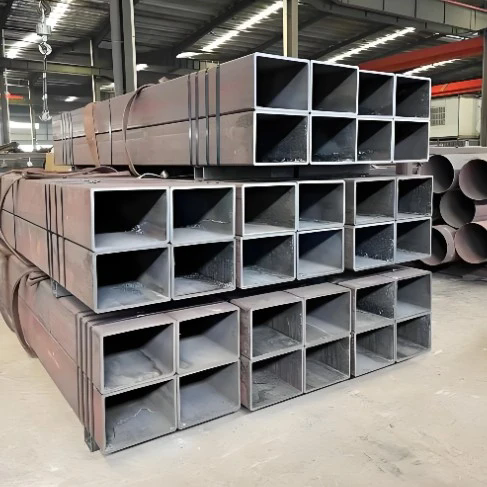
Table of Contents
Outline
- Introduction to right angle square tube structure and function
- Mechanical advantages in load-bearing systems
- Industry usage scenarios and performance benefits
- Comparison with round and rectangular tubing
- Selection criteria for engineers and procurement teams
- Practical fabrication and installation guidance
- Frequently asked questions and clarifications
What Is a Right Angle Square Tube?
A right angle square tube is a hollow structural section (HSS) characterized by equal sides forming a 90-degree geometry. Typically manufactured from carbon steel, stainless steel, or aluminum, it is designed to provide uniform load distribution and high torsional resistance. Unlike irregular profiles, the symmetry of a square tube ensures predictable mechanical behavior under stress.
These tubes are commonly produced through cold forming or hot rolling processes, followed by welding or seamless shaping techniques. The result is a structurally efficient component used in frameworks requiring rigidity and dimensional stability.
Key Advantages in Engineering Applications
Right angle square tubes solve multiple engineering challenges, particularly where stability and strength-to-weight ratio are critical. Below are the most important advantages:
- High structural stability: Even distribution of stress reduces deformation under load.
- Improved torsional resistance: Square geometry resists twisting better than flat sections.
- Ease of fabrication: Straight edges simplify cutting, welding, and assembly.
- Space efficiency: Hollow design reduces material usage without compromising strength.
- Versatility: Suitable for both load-bearing and aesthetic architectural use.
These benefits make square tubes a preferred choice in industries where performance and cost efficiency must coexist.
Common Industrial Applications
Right angle square tubes are used across a wide range of industries. Their adaptability makes them suitable for both heavy-duty and precision applications.
| Industry | Application | Benefit |
|---|---|---|
| Construction | Building frameworks, support beams | High load-bearing capacity |
| Automotive | Chassis, roll cages | Crash resistance and rigidity |
| Manufacturing | Machine frames, conveyor systems | Dimensional stability |
| Furniture | Metal frames, shelving | Modern aesthetic and durability |
| Infrastructure | Bridges, support structures | Long-term structural reliability |
Material & Performance Comparison
Choosing the correct tubing profile often depends on comparing structural behavior under different conditions. Below is a simplified comparison:
- Square Tube: Balanced strength in all directions, ideal for frameworks.
- Round Tube: Better for fluid transport and aerodynamic applications.
- Rectangular Tube: Strong in one direction, suitable for directional loads.
Square tubes are often selected when engineers require predictable performance in multi-directional stress environments.
How to Choose the Right Specification
Selecting the correct right angle square tube depends on several technical parameters:
- Material type: Carbon steel for strength, stainless steel for corrosion resistance, aluminum for lightweight applications.
- Wall thickness: Thicker walls increase load capacity but add weight.
- Size dimensions: Must match structural load requirements and design constraints.
- Surface treatment: Galvanization or coating improves durability in harsh environments.
Engineers should balance cost, strength, and environmental conditions when specifying tubing materials.
Installation & Fabrication Considerations
Proper installation ensures that right angle square tubes perform optimally in structural systems. Common best practices include:
- Ensuring accurate cutting to maintain 90-degree alignment
- Using appropriate welding techniques to prevent joint failure
- Applying anti-corrosion coatings for outdoor applications
- Performing load testing before full-scale deployment
Poor fabrication can significantly reduce structural performance, even if high-quality materials are used.
FAQ
Q1: What makes right angle square tubes stronger than flat steel?
Their hollow geometric structure distributes stress more evenly, improving load resistance without excessive material usage.
Q2: Can square tubes be used outdoors?
Yes, especially when treated with galvanization or corrosion-resistant coatings.
Q3: Are they suitable for heavy construction?
Yes, they are commonly used in structural frameworks, bridges, and industrial platforms.
Q4: What industries use them the most?
Construction, automotive manufacturing, infrastructure development, and industrial machinery.
Q5: How do I choose between steel and aluminum square tubes?
Steel is preferred for maximum strength, while aluminum is chosen for lightweight applications requiring corrosion resistance.
Conclusion
Right angle square tubes remain one of the most efficient structural materials due to their combination of strength, adaptability, and cost-effectiveness. Whether used in construction frameworks or precision machinery, they provide predictable mechanical performance and long-term reliability. Understanding material selection, fabrication methods, and application requirements is essential for maximizing their benefits in real-world engineering environments.
For high-quality right angle square tube solutions, Shenghui offers reliable manufacturing standards, competitive specifications, and customized production options tailored to industrial needs. If you are looking for stable supply, technical support, or bulk procurement solutions, Shenghui is ready to assist—contact us to discuss your project requirements and get professional guidance.