

How Does Reinforcing Steel Improve Structural Strength in Modern Construction?
2026-05-11
📌 Article Summary
Reinforcing steel plays a foundational role in modern construction by enhancing concrete’s tensile strength, improving durability, and ensuring structural stability under dynamic loads. This article explains how reinforcing steel works, why it is essential, and what factors influence its selection and application in construction projects. It also provides practical insights, comparison tables, and frequently asked questions to help engineers, contractors, and procurement specialists make informed decisions.
📚 Table of Contents
- 1. Introduction to Reinforcing Steel
- 2. How Reinforcing Steel Works
- 3. Why Reinforcing Steel Is Essential
- 4. Common Types of Reinforcing Steel
- 5. Reinforced Concrete vs Plain Concrete
- 6. Key Applications in Construction
- 7. How to Select the Right Reinforcing Steel
- 8. Frequently Asked Questions
1. Introduction to Reinforcing Steel
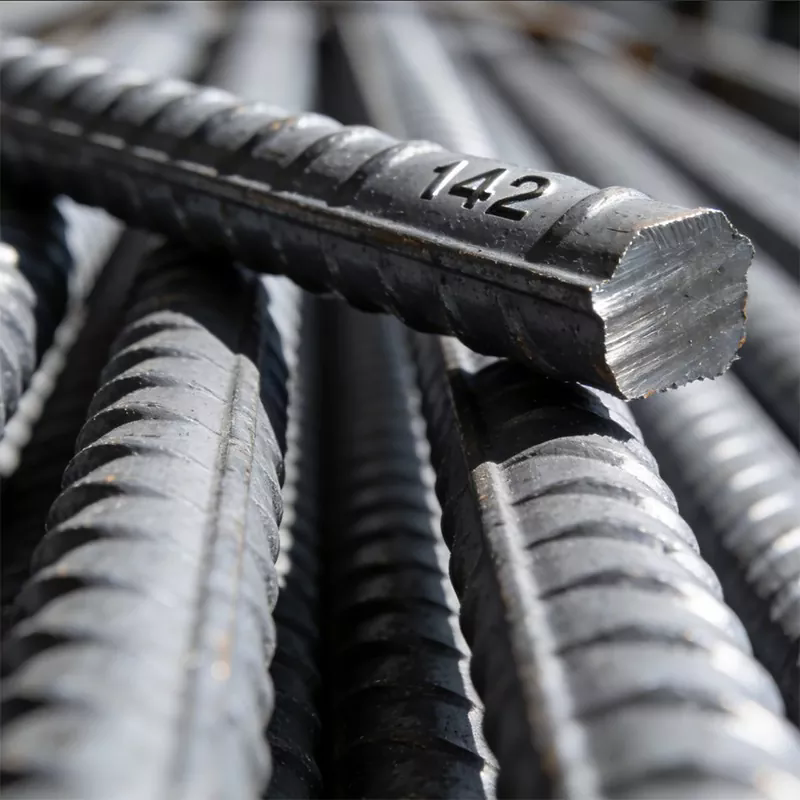
Reinforcing steel, often referred to as rebar, is a steel bar or mesh embedded within concrete structures to enhance their mechanical performance. While concrete is highly resistant to compression, it is weak in tension. Reinforcing steel compensates for this weakness by providing tensile strength, ensuring that structures can withstand bending, stretching, and dynamic stress.
In modern infrastructure, reinforcing steel is indispensable in bridges, high-rise buildings, highways, dams, and industrial facilities. Without it, concrete structures would be prone to cracking and failure under load.
2. How Reinforcing Steel Works
The working principle of reinforcing steel is based on composite action between steel and concrete. When combined, both materials complement each other’s weaknesses and strengths.
- Concrete handles compression: It resists crushing forces effectively.
- Steel handles tension: It resists pulling and bending forces.
- Bonding effect: The ribbed surface of reinforcing steel ensures strong adhesion with concrete.
When a load is applied, stress is transferred from the concrete to the steel reinforcement, preventing structural failure. This synergy is what makes reinforced concrete one of the most widely used construction materials globally.
3. Why Reinforcing Steel Is Essential
The importance of reinforcing steel extends beyond structural strength. It directly influences safety, longevity, and cost efficiency.
- Crack control: Minimizes shrinkage and thermal cracking.
- Load distribution: Helps distribute loads evenly across structures.
- Durability: Extends service life of infrastructure.
- Seismic resistance: Improves performance during earthquakes.
In regions with extreme weather or seismic activity, reinforcing steel becomes even more critical for maintaining structural integrity.
4. Common Types of Reinforcing Steel
| Type | Description | Key Advantage |
|---|---|---|
| Carbon Steel Rebar | Most widely used type in general construction | High strength and cost efficiency |
| Epoxy-Coated Rebar | Coated with epoxy to resist corrosion | Ideal for marine and humid environments |
| Stainless Steel Rebar | Highly corrosion-resistant steel alloy | Long lifespan in harsh conditions |
| Galvanized Rebar | Zinc-coated reinforcing steel | Improved corrosion resistance |
5. Reinforced Concrete vs Plain Concrete
| Feature | Plain Concrete | Reinforced Concrete |
|---|---|---|
| Tensile Strength | Very Low | High (with steel reinforcement) |
| Crack Resistance | Poor | Excellent |
| Load Capacity | Limited | High |
| Durability | Moderate | Long-lasting |
6. Key Applications in Construction
Reinforcing steel is widely used across multiple construction sectors due to its versatility and strength.
- High-rise buildings and skyscrapers
- Bridges and overpasses
- Road pavements and highways
- Water treatment plants and dams
- Industrial foundations and warehouses
Each application requires specific grades and configurations of reinforcing steel depending on load requirements and environmental exposure.
7. How to Select the Right Reinforcing Steel
Selecting the appropriate reinforcing steel is critical to ensuring structural safety and cost efficiency. Below are key considerations:
- Project type: Residential, commercial, or infrastructure.
- Environmental exposure: Coastal, industrial, or dry regions.
- Load requirements: Expected structural stress levels.
- Corrosion resistance: Necessary for long-term durability.
- Standards compliance: Ensure adherence to construction codes.
Reliable suppliers such as Tianjin Shunchen provide high-quality reinforcing steel that meets international standards and supports a wide range of engineering applications.
8. Frequently Asked Questions
Q1: What is the main purpose of reinforcing steel?
It is used to strengthen concrete by improving its tensile capacity and preventing cracking.
Q2: Can concrete be used without reinforcing steel?
Yes, but only in low-load applications. Most structural projects require reinforcement for safety.
Q3: What causes reinforcing steel to corrode?
Moisture, chloride exposure, and poor concrete coverage can lead to corrosion.
Q4: How long does reinforcing steel last?
With proper design and protection, it can last 50 years or more.
Q5: What standards should reinforcing steel meet?
It should comply with ASTM, BS, or equivalent regional construction standards.
🔚 Conclusion
Reinforcing steel is a fundamental component in modern construction, ensuring that concrete structures achieve the strength, flexibility, and durability required for long-term performance. Understanding its properties, applications, and selection criteria helps engineers and builders create safer and more efficient infrastructure.
For high-quality reinforcing steel solutions tailored to different construction needs, Tianjin Shunchen provides reliable materials and professional support to global clients.
Looking for dependable reinforcing steel for your next project? Tianjin Shunchen is ready to support your construction needs with consistent quality and competitive supply. contact us today to get professional assistance and product details.