

How Does Open Die Forging Improve the Strength and Quality of Metal Components?
2026-08-27
Article Summary:
Open Die Forging is a highly reliable metal forming process used to manufacture large, durable, and high-performance components for industries such as aerospace, energy, heavy machinery, shipbuilding, and industrial equipment. Unlike manufacturing methods that rely on enclosed molds, open die forging allows metal to flow freely between dies, creating components with improved internal structures, enhanced mechanical properties, and excellent resistance to demanding operating conditions.
This article explains how Open Die Forging works, why manufacturers choose this process, what challenges it solves, how to select a reliable forging partner, and why Tongxin provides professional solutions for customers requiring customized forged components.
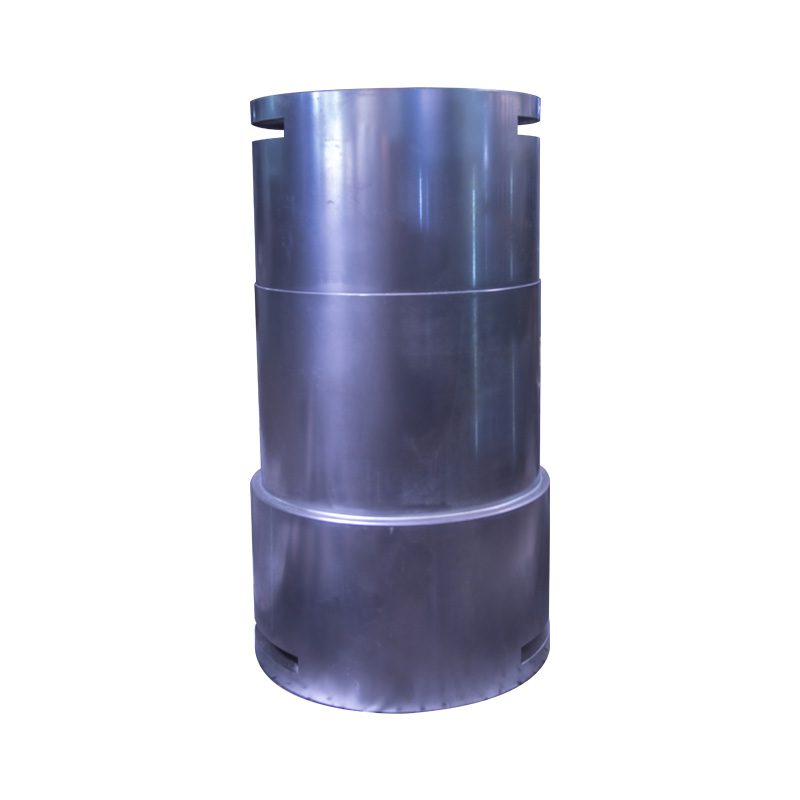
Table of Contents
- What Is Open Die Forging?
- How Does the Open Die Forging Process Work?
- What Problems Can Open Die Forging Solve?
- Open Die Forging Compared with Other Manufacturing Methods
- Where Is Open Die Forging Used?
- How to Choose the Right Open Die Forging Supplier?
- Frequently Asked Questions About Open Die Forging
What Is Open Die Forging?
Open Die Forging is a metal deformation process where heated metal billets, ingots, or preforms are compressed between two dies that do not completely surround the workpiece. The material is gradually shaped through repeated pressing, hammering, and repositioning until the required dimensions and properties are achieved.
The main feature of Open Die Forging is the freedom of metal flow. Because the dies do not restrict the material inside a fixed cavity, manufacturers can produce extremely large components with customized dimensions. This makes the process especially suitable for parts that require exceptional strength, durability, and structural reliability.
During forging, the internal grain structure of the metal becomes refined and aligned according to the deformation direction. This improves toughness, fatigue resistance, and load-bearing capability compared with many conventional manufacturing methods.
| Feature | Description |
|---|---|
| Process Type | Hot metal forming through compression and controlled deformation |
| Die Design | Flat, round, V-shaped, or simple contour dies |
| Material Flow | Freely controlled without complete die enclosure |
| Main Advantage | Production of large and high-strength components |
| Common Products | Shafts, rings, discs, blocks, cylinders, and heavy industrial parts |
How Does the Open Die Forging Process Work?
The Open Die Forging process involves several carefully controlled stages. Each stage directly influences the final quality, mechanical performance, and service life of the forged component.
- 1. Material Preparation: The process begins with selecting suitable raw materials such as carbon steel, alloy steel, stainless steel, or special alloys. The material must meet specific chemical and mechanical requirements.
- 2. Heating: The metal billet is heated to an appropriate forging temperature to increase plasticity and reduce deformation resistance. Proper temperature control helps prevent cracking and ensures uniform material flow.
- 3. Initial Forging: The heated workpiece is placed between upper and lower dies. Hydraulic presses or forging hammers apply controlled pressure to gradually reshape the material.
- 4. Repeated Deformation: The workpiece is rotated, moved, and pressed multiple times. Operations such as upsetting, drawing, cogging, and punching help achieve the desired dimensions and internal structure.
- 5. Heat Treatment and Inspection: After forging, components may undergo heat treatment, machining, and quality inspection to achieve required performance standards.
| Processing Stage | Main Purpose | Customer Benefit |
|---|---|---|
| Heating | Improve material flexibility | Reduces deformation difficulty |
| Forging | Shape and refine metal structure | Improves strength and durability |
| Heat Treatment | Optimize mechanical properties | Enhances service performance |
| Inspection | Verify quality requirements | Ensures reliable applications |
What Problems Can Open Die Forging Solve?
Many industries face challenges when producing large metal components, including insufficient strength, internal defects, limited customization, and high production costs. Open Die Forging provides practical solutions to these problems.
1. Improved Mechanical Strength
One major advantage of Open Die Forging is improved mechanical performance. The controlled deformation process strengthens the internal grain structure, helping components withstand heavy loads, vibration, impact, and repeated stress.
2. Production of Oversized Components
Traditional manufacturing methods may have limitations when producing extremely large parts. Open Die Forging allows manufacturers to create massive components that are difficult or impossible to produce through conventional closed molds.
3. Reduced Internal Defects
Forging pressure helps eliminate internal voids and improves material consistency. This is especially important for safety-critical industries where component failure is unacceptable.
4. Flexible Customization
Because open dies are not limited by complex cavities, manufacturers can adjust dimensions and designs according to customer requirements. This flexibility makes the process ideal for prototypes, special projects, and low-volume production.
Open Die Forging Compared with Other Manufacturing Methods
| Comparison Item | Open Die Forging | Casting | Machining |
|---|---|---|---|
| Strength | Excellent due to refined grain structure | Moderate depending on defects | Depends on raw material structure |
| Large Component Capability | Excellent for oversized parts | Possible but requires large molds | Limited by equipment size |
| Customization | High flexibility | Requires mold changes | Flexible but may create material waste |
| Material Efficiency | High | Moderate | Lower due to cutting waste |
Where Is Open Die Forging Used?
Open Die Forging is widely applied in industries where component reliability and long service life are essential.
- Aerospace Industry: Used for large structural parts, shafts, and high-performance components.
- Energy Industry: Applied in power generation equipment, turbines, pressure vessels, and heavy machinery.
- Marine Industry: Used for ship shafts, large rings, and critical structural components.
- Heavy Equipment: Suitable for industrial machinery parts requiring high strength.
- Oil and Gas Industry: Provides durable forged components for demanding environments.
How to Choose the Right Open Die Forging Supplier?
Selecting the right supplier is important because forging quality directly affects equipment reliability and operating safety. Customers should consider the following factors:
| Selection Factor | Why It Matters |
|---|---|
| Manufacturing Capability | Determines whether the supplier can handle required sizes and materials |
| Technical Experience | Experienced engineers can optimize forging processes |
| Quality Control System | Ensures consistent product performance |
| Customization Ability | Supports special designs and customer requirements |
| After-Sales Support | Provides long-term technical assistance |
Tongxin focuses on providing professional Open Die Forging solutions with attention to material selection, production accuracy, and customized customer requirements. By combining advanced forging technology with strict quality management, Tongxin helps customers obtain reliable forged components for demanding industrial applications.
Frequently Asked Questions About Open Die Forging
What materials can be used for Open Die Forging?
Open Die Forging can process various metals, including carbon steel, alloy steel, stainless steel, aluminum alloys, titanium alloys, and other engineering materials depending on application requirements.
Why is Open Die Forging suitable for large components?
Because the dies do not fully enclose the material, manufacturers can control metal deformation freely and produce very large components without requiring expensive closed molds.
Does Open Die Forging improve component lifespan?
Yes. The forging process improves grain structure, strength, and resistance to fatigue, helping components achieve longer service life under demanding conditions.
What industries need Open Die Forging?
Industries including aerospace, energy, marine engineering, heavy machinery, and oil and gas commonly use Open Die Forging because these fields require reliable and high-strength components.
How can customers get customized forging solutions?
Customers can provide drawings, material requirements, dimensions, and application information. Professional forging manufacturers can then recommend suitable processes and production solutions.
Conclusion
Open Die Forging remains one of the most important manufacturing technologies for producing large, strong, and dependable metal components. Its ability to improve material structure, support customized designs, and handle demanding applications makes it a preferred choice for many industries.
With professional manufacturing experience and customer-focused solutions, Tongxin is committed to delivering high-quality Open Die Forging products that meet industrial performance requirements. If you need reliable forged components or customized forging solutions, please contact us for professional support.