

How Does Non-ferrous Metal Forging Improve Industrial Performance?
2025-12-05
Non-ferrous metal forging has become a cornerstone in modern industrial manufacturing, providing superior mechanical properties, lightweight solutions, and enhanced corrosion resistance. Unlike ferrous metals, non-ferrous materials such as aluminum, copper, titanium, and their alloys offer exceptional conductivity, reduced weight, and high strength-to-weight ratios, making them ideal for aerospace, automotive, electronics, and energy sectors.
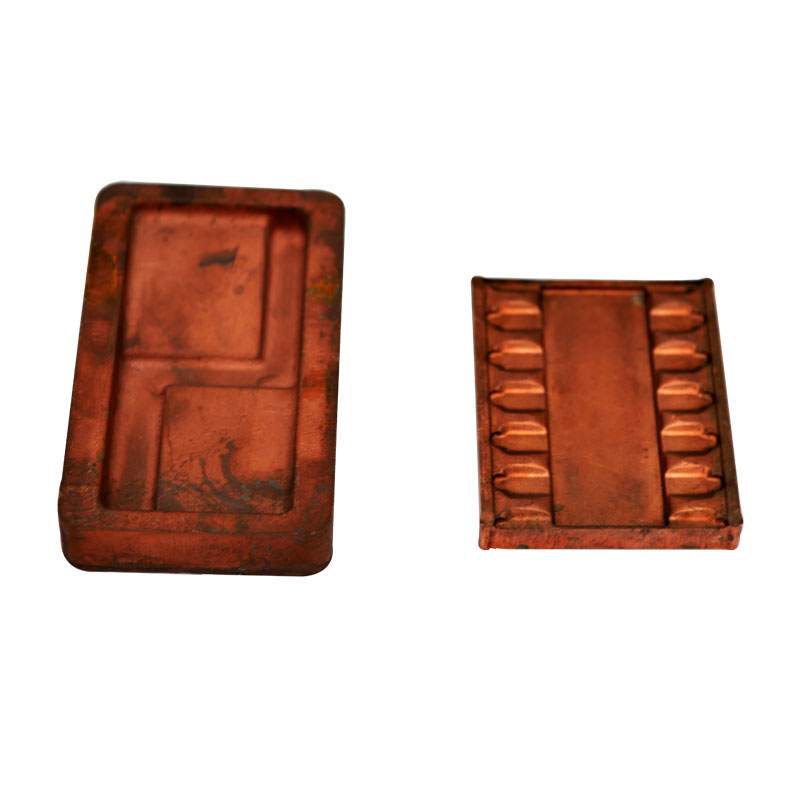
How Does the Forging Process Enhance Non-ferrous Metals?
The forging process involves shaping metal under high pressure to improve structural integrity and performance characteristics. For non-ferrous metals, this technique offers multiple benefits over casting or machining:
-
Improved Grain Structure: Forging aligns the metal grains along the direction of stress, enhancing strength, toughness, and fatigue resistance.
-
Minimized Defects: Forged components have fewer voids, porosity, and inclusions compared to cast metals.
-
Superior Mechanical Properties: Non-ferrous forged metals demonstrate higher tensile strength, ductility, and resistance to wear.
-
Weight Optimization: The ability to forge lightweight metals such as aluminum or titanium reduces overall component weight without compromising structural integrity.
Key Parameters of Non-ferrous Metal Forging Products:
| Parameter | Aluminum Alloys | Copper Alloys | Titanium Alloys | Nickel Alloys |
|---|---|---|---|---|
| Typical Hardness (HB) | 60-120 | 70-130 | 250-400 | 200-350 |
| Tensile Strength (MPa) | 200-550 | 250-500 | 800-1200 | 700-1000 |
| Yield Strength (MPa) | 150-400 | 180-420 | 700-1100 | 600-900 |
| Elongation (%) | 8-25 | 10-35 | 10-20 | 15-30 |
| Operating Temperature (°C) | -196 to 150 | -50 to 200 | -250 to 600 | -100 to 700 |
| Density (g/cm³) | 2.7 | 8.9 | 4.5 | 8.9 |
The choice of material and forging parameters depends on the application requirements, such as weight reduction, thermal resistance, and mechanical load.
How Do Applications of Non-ferrous Forging Translate into Real-World Benefits?
Non-ferrous metal forging provides tailored solutions across industries where strength, conductivity, and corrosion resistance are critical:
-
Aerospace Industry: Lightweight titanium and aluminum forgings reduce fuel consumption while maintaining structural integrity in high-stress environments.
-
Automotive Industry: Forged aluminum and copper alloys improve engine efficiency, reduce vehicle weight, and enhance electrical conductivity in hybrid and electric vehicles.
-
Electronics and Electrical Engineering: Copper and nickel forged components ensure high conductivity and thermal stability in connectors, heat exchangers, and semiconductor supports.
-
Energy Sector: Forged non-ferrous metals contribute to the durability and longevity of wind turbines, solar panel mounts, and power transmission components.
By integrating non-ferrous forging, companies achieve a combination of high strength, low weight, and long service life that is difficult to replicate with other manufacturing processes.
Frequently Asked Questions (FAQ):
-
Q1: How does forging compare with casting for non-ferrous metals?
A1: Forging offers improved mechanical properties and fewer defects than casting. While casting is suitable for complex shapes and low-cost production, forged components provide superior strength, durability, and fatigue resistance, making them ideal for high-stress applications. -
Q2: What are the common challenges in non-ferrous metal forging?
A2: Non-ferrous metals can be more prone to cracking and oxidation during forging due to lower melting points compared to steel. Precise temperature control, proper lubrication, and controlled deformation rates are essential to prevent defects and maintain material integrity.
How Are Technological Advancements Shaping the Future of Non-ferrous Forging?
Innovations in forging technology are enhancing precision, efficiency, and sustainability:
-
Hydraulic and Servo-Mechanical Presses: Enable precise control over force and speed, improving product consistency and reducing scrap.
-
Computer-Aided Forging Simulation: Predicts material flow and defect formation, allowing optimization of die design and process parameters.
-
Additive-Assisted Forging: Combining 3D printing for preforms with traditional forging reduces material waste and enhances complex geometries.
-
Advanced Alloy Development: Modern non-ferrous alloys offer improved corrosion resistance, higher strength, and better thermal properties, expanding the range of applications.
These technological developments are pushing the limits of non-ferrous forging, making it possible to produce more complex, high-performance components with lower environmental impact.
How Can Businesses Choose the Right Non-ferrous Forging Supplier?
Selecting the right supplier ensures quality, reliability, and cost efficiency. Key factors include:
-
Material Expertise: Suppliers should have deep knowledge of aluminum, copper, titanium, and nickel alloy forging processes.
-
Precision Manufacturing: Advanced equipment and process control systems are essential for consistent product performance.
-
Quality Assurance: Strict adherence to international standards, including ISO and ASTM certifications, ensures component reliability.
-
After-Sales Support: Technical guidance, custom solutions, and responsive service improve customer satisfaction and operational efficiency.
Tongxin, a leading brand in non-ferrous metal forging, combines decades of experience with advanced manufacturing capabilities. Their extensive product range meets the demanding standards of aerospace, automotive, and electronics industries. Companies seeking reliable, high-performance forged components can explore Tongxin’s solutions for optimized industrial performance. For inquiries and personalized assistance, contact us today to discover the full potential of non-ferrous metal forging.
