

How Does LCD Screen Sheet Metal Improve Display Performance?
2026-05-18
Article Summary: This article explains how LCD Screen Sheet Metal contributes to the structural integrity, thermal management, and precision performance of modern display systems. It explores material selection, manufacturing processes, design considerations, and common industry challenges faced by manufacturers and buyers. The goal is to help engineers, procurement specialists, and product designers understand how optimized sheet metal solutions enhance LCD reliability, durability, and visual quality.
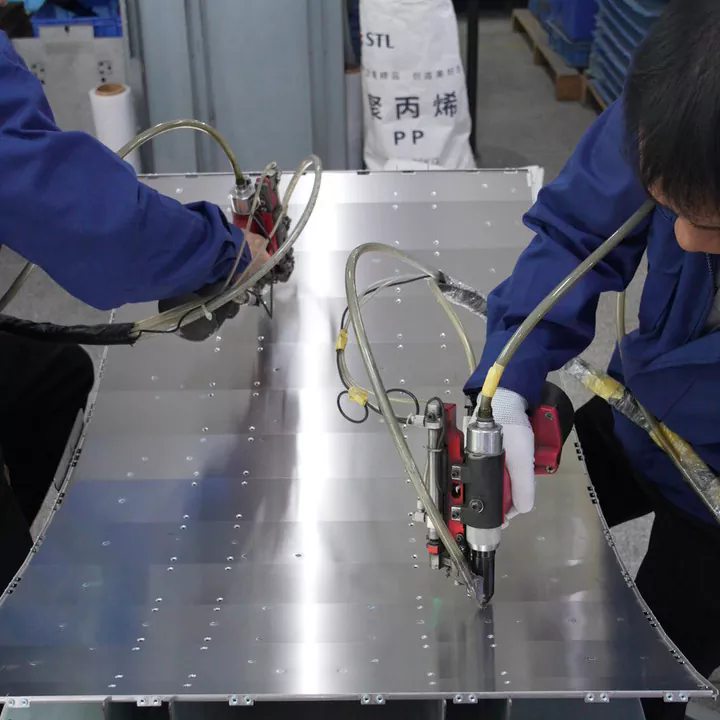
Table of Contents
- 1. Outline of LCD Screen Sheet Metal Applications
- 2. Why Sheet Metal Matters in LCD Systems
- 3. Common Materials and Their Properties
- 4. Manufacturing Processes and Precision Engineering
- 5. Structural Design Considerations
- 6. Key Industry Challenges and Solutions
- 7. Material Performance Comparison Table
- 8. Frequently Asked Questions
- 9. Contact Information
1. Outline of LCD Screen Sheet Metal Applications
LCD screen sheet metal is widely used in the structural framework of display devices, including monitors, televisions, industrial control panels, automotive displays, and medical imaging equipment. Its primary role is to provide mechanical stability, protect sensitive internal components, and support heat dissipation systems.
In modern electronics, display devices are becoming thinner and more complex. This trend increases demand for high-precision sheet metal components that can ensure structural rigidity without adding unnecessary weight.
- Display housing frames
- Internal support brackets
- Heat dissipation shields
- EMI (electromagnetic interference) shielding structures
2. Why Sheet Metal Matters in LCD Systems
The performance of LCD screens is not determined only by the panel itself but also by the mechanical structure that supports it. Sheet metal components play a crucial role in maintaining alignment, preventing deformation, and reducing vibration impact.
Without high-quality sheet metal, LCD panels may suffer from light leakage, uneven pressure distribution, or reduced lifespan due to heat accumulation.
Key functional benefits include:
- Mechanical stability: Prevents bending or warping of LCD panels
- Thermal control: Enhances heat dissipation efficiency
- Protection: Shields internal circuits from external impact
- Signal integrity: Reduces electromagnetic interference
3. Common Materials and Their Properties
Different LCD applications require different sheet metal materials depending on strength, weight, corrosion resistance, and thermal conductivity.
| Material | Key Advantage | Typical Application |
|---|---|---|
| Cold Rolled Steel (SPCC) | High strength and cost efficiency | TV frames, general monitors |
| Stainless Steel (304/316) | Corrosion resistance and durability | Medical displays, outdoor systems |
| Aluminum Alloy | Lightweight and excellent thermal conductivity | High-end laptops, slim displays |
| Galvanized Steel | Rust resistance with moderate cost | Industrial LCD housings |
4. Manufacturing Processes and Precision Engineering
The production of LCD screen sheet metal components involves multiple high-precision processes. Each step influences the final performance and durability of the display system.
Common processes include:
- Laser cutting: Ensures high-precision shaping with minimal material waste
- CNC punching: Used for repeated hole patterns and mounting structures
- Bending and forming: Creates three-dimensional structural frames
- Surface treatment: Includes anodizing, powder coating, and electroplating
Advanced manufacturers such as Dongguan city Xinyang Industrial Co., Ltd. implement automated production lines to maintain dimensional accuracy and reduce tolerance errors to within micrometer levels.
5. Structural Design Considerations
Designing sheet metal for LCD systems requires balancing strength, weight, and thermal performance. Engineers must consider both mechanical and electronic constraints.
Important design factors include:
- Thickness optimization to balance rigidity and weight
- Ventilation hole positioning for heat dissipation
- EMI shielding layout to prevent signal disruption
- Mounting point accuracy for assembly efficiency
In addition, modular design is increasingly used to allow easier maintenance and faster product assembly in large-scale manufacturing environments.
6. Key Industry Challenges and Solutions
Despite advancements in manufacturing, LCD sheet metal production still faces several challenges:
- Thermal deformation: Solved through improved alloy selection and heat simulation testing
- Precision alignment issues: Addressed with CNC automation and real-time calibration systems
- Surface defects: Reduced by controlled coating environments
- Cost efficiency pressures: Managed through optimized production workflows
Manufacturers must continuously innovate to meet the increasing demand for thinner, lighter, and more powerful display devices.
7. Material Performance Comparison Table
| Performance Factor | Steel | Aluminum | Stainless Steel |
|---|---|---|---|
| Weight | Medium | Low | High |
| Strength | High | Medium | High |
| Heat Dissipation | Medium | High | Low |
| Corrosion Resistance | Low | Medium | High |
This comparison helps engineers choose suitable materials based on application requirements and environmental conditions.
8. Frequently Asked Questions
Q1: Why is sheet metal used in LCD screens instead of plastic?
Sheet metal provides superior structural rigidity, heat dissipation, and EMI shielding compared to plastic materials.
Q2: What is the most commonly used material?
Cold rolled steel is widely used due to its balance of cost, strength, and manufacturability.
Q3: Can sheet metal affect display quality?
Yes. Poor structural design can lead to panel stress, uneven lighting, or overheating, which impacts display performance.
Q4: How does surface treatment improve performance?
Surface coatings improve corrosion resistance, reduce wear, and enhance aesthetic appearance.
9. Contact Information
For high-quality LCD screen sheet metal solutions, engineering support, and customized manufacturing services, please reach out to:
Dongguan city Xinyang Industrial Co., Ltd.
Contact us today to discuss your project requirements, request a quotation, or explore customized LCD sheet metal solutions designed to improve product performance and manufacturing efficiency.