

How Does LCD Screen Sheet Metal Improve Display Equipment Performance and Durability?
2026-06-01
LCD screen sheet metal plays a critical role in modern display devices, industrial control systems, medical equipment, communication terminals, self-service kiosks, and commercial electronics. While users often focus on the LCD panel itself, the sheet metal structure behind the display is equally important. It provides protection, mechanical strength, heat dissipation, installation support, and long-term reliability.
For manufacturers and equipment designers, selecting the right LCD screen sheet metal solution can significantly improve product lifespan, appearance, operational stability, and maintenance efficiency. This guide explains how LCD screen sheet metal works, its benefits, manufacturing process, materials, design considerations, and how to choose a trusted supplier.
Article Summary
LCD screen sheet metal serves as the structural backbone of display systems. It protects delicate electronic components from physical damage, supports efficient thermal management, enhances installation flexibility, and contributes to the overall aesthetics of electronic products. Understanding material selection, fabrication technologies, and customization options helps businesses make informed purchasing decisions while reducing long-term operational costs.
Table of Contents
- What Is LCD Screen Sheet Metal?
- Why LCD Screen Sheet Metal Is Important
- Common Materials Used
- Manufacturing Process
- Key Design Considerations
- Applications Across Industries
- Benefits of Customized LCD Screen Sheet Metal
- How to Choose a Reliable Manufacturer
- Comparison of Material Options
- Frequently Asked Questions
- Conclusion
What Is LCD Screen Sheet Metal?
LCD screen sheet metal refers to the precision metal enclosure, frame, bracket, housing, or structural support system designed specifically for LCD display assemblies. These components are fabricated through various metalworking processes such as laser cutting, CNC punching, bending, welding, grinding, and surface finishing.
The primary purpose of LCD screen sheet metal is to create a secure and durable framework that supports the LCD module while protecting internal electronic components from environmental and mechanical hazards.
Typical LCD sheet metal components include:
- Display front panels
- Rear enclosures
- Mounting brackets
- Control panel housings
- Industrial monitor cabinets
- Display support frames
- Protective metal covers
Why LCD Screen Sheet Metal Is Important
Many equipment manufacturers underestimate the influence of sheet metal structures on overall product performance. However, a poorly designed enclosure can lead to overheating, vibration issues, installation difficulties, and premature equipment failure.
High-quality LCD screen sheet metal provides several advantages:
- Enhanced structural strength
- Protection against dust and contaminants
- Improved heat dissipation
- Reduced vibration during operation
- Better electromagnetic shielding
- Extended equipment lifespan
- Professional product appearance
- Easier assembly and maintenance
For industrial applications, reliability is particularly important because equipment often operates continuously under demanding conditions.
Common Materials Used for LCD Screen Sheet Metal
The choice of material directly impacts durability, cost, weight, corrosion resistance, and manufacturing efficiency.
| Material | Advantages | Typical Applications |
|---|---|---|
| Cold-Rolled Steel | High strength, economical, excellent machinability | Industrial displays, control cabinets |
| Galvanized Steel | Corrosion resistance, durability | Outdoor display equipment |
| Stainless Steel | Superior corrosion resistance, premium appearance | Medical and food processing equipment |
| Aluminum Alloy | Lightweight, excellent heat dissipation | Commercial displays and portable devices |
| SECC Steel | Good conductivity and corrosion resistance | Electronic equipment housings |
Selecting the right material depends on environmental conditions, mechanical requirements, weight restrictions, and budget considerations.
Manufacturing Process of LCD Screen Sheet Metal
Precision manufacturing is essential to ensure proper fitting, structural stability, and aesthetic quality.
The typical production workflow includes:
- Engineering design and CAD modeling
- Material selection
- Laser cutting or CNC punching
- Precision bending and forming
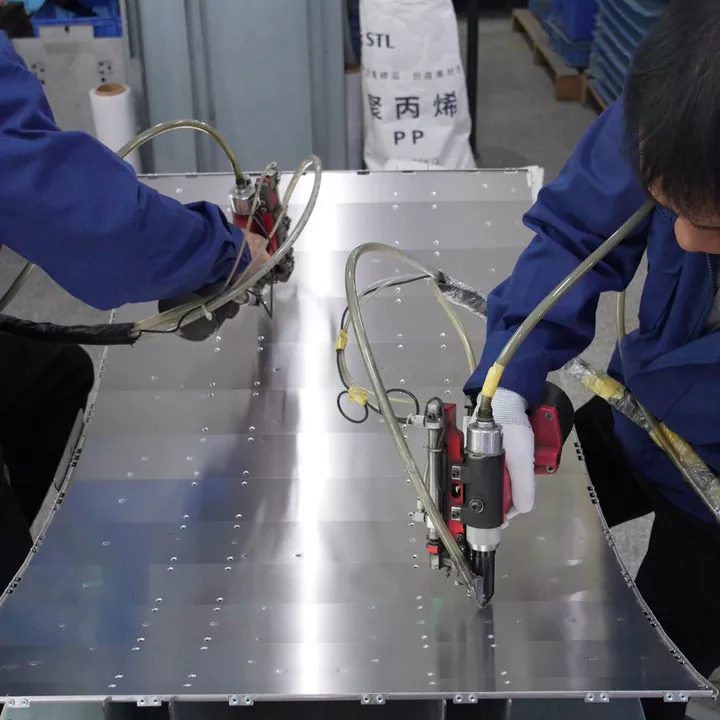
- Welding and assembly
- Surface treatment
- Quality inspection
- Final packaging and shipment
Advanced fabrication technologies enable manufacturers to achieve tight tolerances and consistent production quality even for complex custom projects.
Key Design Considerations for LCD Screen Sheet Metal
Designing LCD display sheet metal requires balancing functionality, manufacturability, aesthetics, and cost.
Important factors include:
- Display size and dimensions
- Mounting method requirements
- Ventilation and cooling needs
- Cable routing accessibility
- Structural rigidity
- EMI shielding requirements
- Maintenance accessibility
- Environmental protection ratings
Early collaboration between product designers and sheet metal engineers helps avoid costly redesigns later in production.
Applications Across Industries
LCD screen sheet metal solutions are widely used across numerous industries.
| Industry | Application Examples |
|---|---|
| Industrial Automation | HMI panels, machine interfaces |
| Medical Equipment | Diagnostic displays, monitoring systems |
| Transportation | Ticketing terminals, navigation systems |
| Retail | Self-service kiosks and POS systems |
| Telecommunications | Network monitoring equipment |
| Security | Surveillance display stations |
| Smart Manufacturing | Production monitoring terminals |
As display technologies continue evolving, sheet metal solutions must adapt to support thinner, lighter, and more sophisticated LCD systems.
Benefits of Customized LCD Screen Sheet Metal
Off-the-shelf enclosures often fail to meet specialized operational requirements. Custom sheet metal fabrication offers significant advantages.
- Perfect fit for specific LCD dimensions
- Improved product aesthetics
- Enhanced heat management
- Reduced assembly complexity
- Optimized space utilization
- Brand-specific design integration
- Higher reliability under demanding conditions
- Future scalability for product upgrades
Customized solutions can reduce installation time while improving overall product performance and customer satisfaction.
How to Choose a Reliable LCD Screen Sheet Metal Manufacturer
Choosing the right manufacturing partner is critical for project success.
When evaluating suppliers, consider:
- Engineering expertise
- Customization capabilities
- Manufacturing equipment quality
- Material sourcing standards
- Quality control procedures
- Prototype development services
- Production scalability
- Lead time performance
- Industry experience
- Technical support responsiveness
A professional supplier should be capable of supporting projects from concept development through mass production while maintaining consistent quality standards.
Material Comparison for Different Project Requirements
| Requirement | Recommended Material |
|---|---|
| Lowest Cost | Cold-Rolled Steel |
| Best Corrosion Resistance | Stainless Steel |
| Lightweight Design | Aluminum Alloy |
| Outdoor Applications | Galvanized Steel |
| Electronics Enclosures | SECC Steel |
| Premium Appearance | Stainless Steel or Aluminum |
Frequently Asked Questions
Q1: What thickness is commonly used for LCD screen sheet metal?
Most projects use metal thicknesses ranging from 0.8 mm to 3.0 mm, depending on structural requirements and application environments.
Q2: Can LCD screen sheet metal be customized for any display size?
Yes. Custom fabrication allows manufacturers to create enclosures and mounting structures for virtually any LCD size and configuration.
Q3: Which material is best for outdoor LCD displays?
Galvanized steel, stainless steel, and specially coated aluminum are commonly selected for outdoor environments due to their resistance to corrosion and weather exposure.
Q4: Why is thermal management important in LCD enclosures?
Effective heat dissipation helps maintain stable display performance, protects electronic components, and extends product lifespan.
Q5: What surface finishes are available?
Common finishes include powder coating, anodizing, brushing, polishing, sandblasting, electroplating, and various protective coatings.
Q6: How does custom sheet metal reduce costs?
Custom designs improve assembly efficiency, reduce installation challenges, minimize maintenance requirements, and enhance long-term reliability.
Conclusion
LCD screen sheet metal is far more than a simple enclosure. It serves as the structural foundation that supports display performance, protects sensitive electronics, improves thermal efficiency, and enhances overall product quality. Whether used in industrial automation, medical devices, retail kiosks, or communication systems, properly engineered sheet metal components contribute significantly to operational reliability and long-term value.
As display technologies become increasingly sophisticated, investing in high-quality customized LCD screen sheet metal solutions can help manufacturers achieve superior performance, stronger durability, and a more professional finished product.
Looking for a trusted partner for precision LCD screen sheet metal fabrication? Xinyang provides professional custom sheet metal manufacturing solutions, advanced production capabilities, strict quality control, and comprehensive engineering support for a wide range of display applications. Whether you need prototypes or large-scale production, Xinyang is ready to help bring your project to life. Contact us today to discuss your requirements and receive a customized solution tailored to your business needs.