

How Does LCD Monitor Sheet Metal Improve the Strength and Precision of Modern Displays?
2026-03-10
Article Summary
LCD monitors rely on more than electronic components and display panels. Behind every stable and durable monitor is a precisely manufactured structural frame made from sheet metal. LCD Monitor Sheet Metal provides mechanical support, heat dissipation, electromagnetic shielding, and assembly precision. Without a well-designed metal structure, displays may suffer from deformation, overheating, or shortened lifespan.
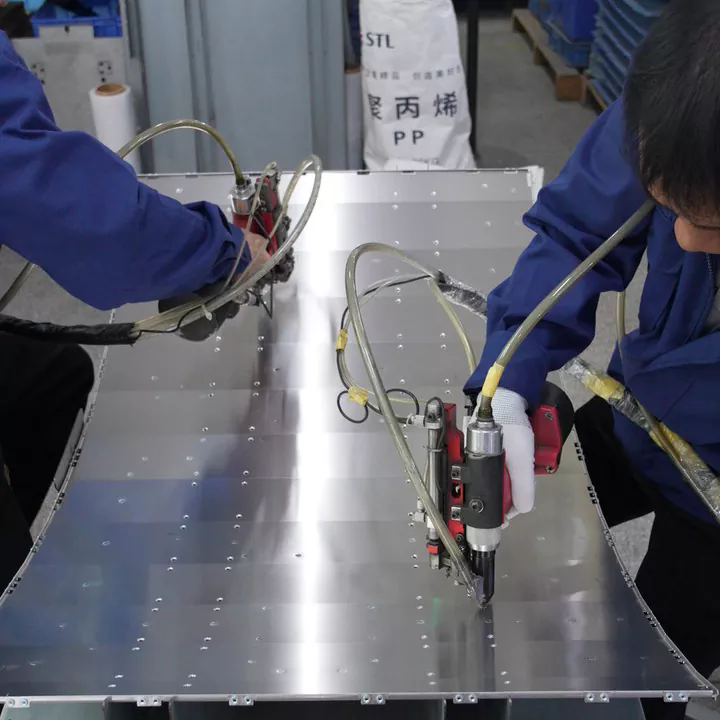
This article explains how LCD monitor sheet metal works, why it is essential in monitor manufacturing, and how businesses can select high-quality sheet metal components for display equipment. It also outlines key material choices, production processes, and common purchasing considerations for OEM buyers.
Table of Contents
- Introduction to LCD Monitor Sheet Metal
- How LCD Monitor Sheet Metal Works in Display Structures
- Main Materials Used in LCD Monitor Sheet Metal
- Manufacturing Processes Behind Precision Sheet Metal
- Key Advantages for Monitor Manufacturers
- Typical Applications in Display Devices
- Technical Specifications Overview
- Common Challenges and Solutions
- How to Choose a Reliable Supplier
- Frequently Asked Questions
- Conclusion
Outline
- Role of structural components in LCD monitors
- Mechanical protection and structural support
- Heat dissipation and electromagnetic shielding
- Material and manufacturing technology
- Quality considerations and supplier evaluation
Introduction to LCD Monitor Sheet Metal
LCD monitors are widely used in offices, control rooms, industrial environments, and consumer electronics. While most users focus on screen resolution and display technology, the internal structural design plays an equally important role. One of the key structural components is LCD Monitor Sheet Metal.
Sheet metal parts form the internal skeleton of a monitor. They support the display panel, protect sensitive electronic components, and maintain dimensional stability during long-term operation. These metal components are carefully engineered to achieve lightweight construction while maintaining high strength and rigidity.
For manufacturers, high-quality sheet metal structures improve assembly efficiency, reduce vibration damage, and ensure consistent product performance. As monitor sizes increase and designs become thinner, precision sheet metal becomes even more critical.
How LCD Monitor Sheet Metal Works in Display Structures
LCD Monitor Sheet Metal functions as the structural backbone of a display device. It connects multiple internal modules and ensures that the monitor remains stable under mechanical and thermal stress.
Several important functions are achieved through sheet metal engineering:
- Structural support – Holds the LCD panel, backlight unit, and electronic boards in a fixed position.
- Mechanical protection – Protects fragile display panels from bending or external pressure.
- Heat management – Metal surfaces help dissipate heat generated by internal circuits.
- Electromagnetic shielding – Reduces electromagnetic interference between electronic components.
- Mounting interface – Provides attachment points for stands, brackets, and mounting systems.
The structural design must maintain precise tolerances. Even small deviations can lead to panel misalignment, uneven backlight distribution, or installation difficulties during assembly.
Main Materials Used in LCD Monitor Sheet Metal
Selecting the right material is essential for achieving durability, corrosion resistance, and cost efficiency. Different types of sheet metal are used depending on the monitor's application and design requirements.
| Material | Key Characteristics | Typical Applications |
|---|---|---|
| Cold Rolled Steel | High strength, excellent forming performance | Internal monitor frames |
| Galvanized Steel | Strong corrosion resistance | Industrial monitors |
| Aluminum Alloy | Lightweight and good heat dissipation | High-end displays |
| Stainless Steel | Superior durability and corrosion protection | Specialized equipment displays |
Manufacturers typically select materials based on weight requirements, environmental conditions, and product cost targets.
Manufacturing Processes Behind Precision Sheet Metal
Producing LCD Monitor Sheet Metal requires multiple manufacturing processes that ensure structural accuracy and surface quality. Each step contributes to the final performance of the monitor assembly.
- Laser Cutting – Creates precise outlines and openings for components.
- CNC Punching – Produces holes, slots, and mounting structures.
- Bending and Forming – Shapes the metal sheet into rigid frames.
- Surface Treatment – Includes powder coating, plating, or anodizing.
- Assembly and Welding – Connects structural sections securely.
Modern sheet metal fabrication uses automated machinery and strict quality control to maintain dimensional accuracy. This is particularly important for LCD monitors, where component alignment must remain extremely precise.
Key Advantages for Monitor Manufacturers
High-quality LCD Monitor Sheet Metal offers several advantages that improve both manufacturing efficiency and product reliability.
- Improves structural strength while maintaining a lightweight design
- Ensures stable panel alignment and reduces display distortion
- Enhances heat dissipation and internal airflow
- Provides durable mounting points for accessories
- Supports large-scale production with consistent quality
These benefits help manufacturers produce monitors that are durable, visually precise, and capable of long operational lifespans.
Typical Applications in Display Devices
LCD Monitor Sheet Metal is used in a wide variety of display products across multiple industries.
- Desktop computer monitors
- Industrial control display systems
- Medical imaging monitors
- Commercial advertising displays
- Gaming and professional graphics monitors
- Security monitoring screens
Each application may require slightly different structural designs, but the underlying purpose remains the same: providing a stable and reliable framework for display components.
Technical Specifications Overview
The design parameters of LCD Monitor Sheet Metal vary depending on monitor size and structural requirements.
| Parameter | Typical Range |
|---|---|
| Material Thickness | 0.6 mm – 2.0 mm |
| Surface Treatment | Powder coating / Electroplating |
| Dimensional Tolerance | ±0.1 mm |
| Manufacturing Method | Laser cutting + CNC bending |
| Heat Resistance | High thermal conductivity depending on material |
Common Challenges and Solutions
Designing and manufacturing LCD monitor sheet metal components can present several challenges.
- Precision requirements – Tight tolerances are necessary to prevent display misalignment.
- Thin design constraints – Modern monitors require thinner structures while maintaining strength.
- Heat management – Efficient heat dissipation must be integrated into the metal frame design.
- Surface durability – Protective coatings prevent corrosion and scratches.
Advanced fabrication technologies and experienced engineering teams help address these challenges and ensure consistent product quality.
How to Choose a Reliable Supplier
When sourcing LCD Monitor Sheet Metal components, businesses should evaluate several key factors before selecting a supplier.
- Manufacturing equipment and automation level
- Quality inspection standards
- Engineering design support
- Surface finishing capabilities
- Production capacity for bulk orders
A reliable supplier can provide custom design solutions, maintain stable production quality, and support long-term partnerships in monitor manufacturing.
Frequently Asked Questions
1. Why is sheet metal important in LCD monitors?
Sheet metal provides structural stability, protects internal components, and helps manage heat and electromagnetic interference within the monitor.
2. What thickness is commonly used for monitor sheet metal?
Most LCD monitor sheet metal components range between 0.6 mm and 2.0 mm depending on the monitor size and strength requirements.
3. Can sheet metal structures be customized for different monitor designs?
Yes. Manufacturers often customize dimensions, hole patterns, and structural shapes to match specific display panel sizes and assembly requirements.
4. What surface treatments are commonly used?
Powder coating, galvanization, and anodizing are frequently used to improve corrosion resistance and enhance appearance.
Conclusion
LCD Monitor Sheet Metal plays a critical role in the stability, durability, and performance of modern display devices. From structural support and heat dissipation to precise component alignment, well-designed sheet metal components ensure that monitors operate reliably in a wide range of environments.
Manufacturers seeking consistent quality and long-term performance should work with experienced sheet metal fabrication partners capable of meeting strict engineering standards. With advanced production technology and strong manufacturing expertise, Xinyang provides precision sheet metal solutions designed specifically for LCD monitor structures and display equipment.
If your company is developing display products or upgrading monitor components, professional sheet metal design and fabrication can significantly improve product reliability and production efficiency. Contact us today to learn how Xinyang can support your LCD monitor sheet metal requirements with customized manufacturing solutions and dependable service.