

How Does Hot Rolled Steel Strip Meet Modern Industrial Needs?
2026-05-07
Summary: Hot rolled steel strip is a versatile material widely used across industries, from construction to manufacturing. This article explores its production, properties, applications, advantages, and selection considerations to help businesses make informed purchasing decisions. Shunchen offers high-quality hot rolled steel strips designed to meet diverse industrial requirements.
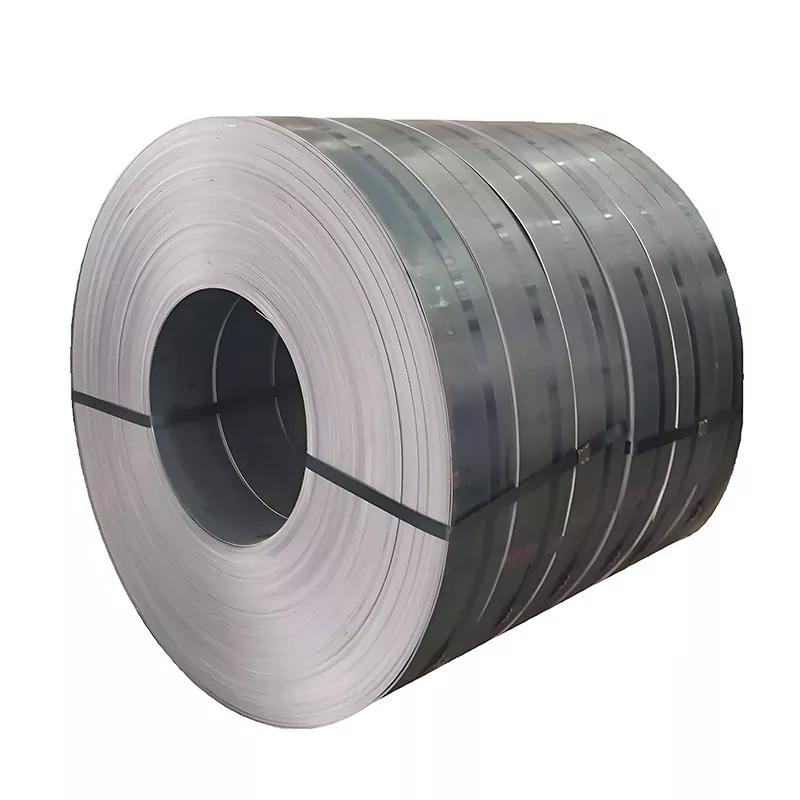
Table of Contents
- Production Process of Hot Rolled Steel Strip
- Key Properties and Benefits
- Applications in Different Industries
- How to Select the Right Steel Strip
- Frequently Asked Questions
Production Process of Hot Rolled Steel Strip
Hot rolled steel strip is produced by rolling steel slabs at high temperatures, typically above 1,000°C. This process allows the steel to be shaped into thin, uniform strips with enhanced mechanical properties.
- Step 1: Heating: Steel slabs are heated in a furnace to make them malleable.
- Step 2: Rough Rolling: The heated slabs are passed through rolling mills to achieve preliminary thickness.
- Step 3: Finish Rolling: The strips are rolled to precise thickness and width specifications.
- Step 4: Cooling: The strips are cooled and coiled for transportation and further processing.
| Process Stage | Purpose | Temperature |
|---|---|---|
| Heating | Make steel malleable | 1100°C |
| Rough Rolling | Reduce slab thickness | 1000°C |
| Finish Rolling | Achieve precise dimensions | 950°C |
| Cooling | Prepare for handling | Ambient |
Key Properties and Benefits
Hot rolled steel strip possesses unique characteristics that make it suitable for industrial applications:
- Durability: High strength and toughness ensure long service life.
- Flexibility: Can be easily shaped into different forms without cracking.
- Cost-effectiveness: Economical for large-scale projects.
- Surface Texture: Slightly rough surface improves adhesion for coatings.
These properties make hot rolled steel strips ideal for industries requiring strong, versatile steel with reliable mechanical performance.
Applications in Different Industries
Hot rolled steel strips are widely used in:
- Construction: Structural beams, bridges, roofing, and framing.
- Automotive: Chassis, body panels, and industrial machinery parts.
- Manufacturing: Equipment, pipelines, and storage tanks.
- Energy Sector: Wind turbine components, electrical cabinets, and transformers.
Shunchen’s hot rolled steel strips are manufactured to meet industry standards, ensuring consistent quality and reliability for all applications.
How to Select the Right Steel Strip
Choosing the proper hot rolled steel strip depends on several factors:
| Consideration | Details |
|---|---|
| Thickness and Width | Depends on structural and manufacturing requirements. |
| Mechanical Properties | Check tensile strength, yield strength, and elongation for durability. |
| Surface Quality | Required for coatings or finishing processes. |
| Compliance | Ensure material meets local and international standards. |
Working with a reliable supplier like Shunchen ensures you receive steel strips that match your specifications and application needs.
Frequently Asked Questions
- Q: What is the difference between hot rolled and cold rolled steel strip?
- A: Hot rolled steel strip is processed at high temperatures, making it easier to shape but with a rougher surface. Cold rolled steel strip is processed at room temperature, offering smoother finishes and higher precision.
- Q: Can hot rolled steel strip be painted directly?
- A: Yes, but surface preparation may be required due to the slightly rough texture to ensure proper coating adhesion.
- Q: What industries benefit most from hot rolled steel strips?
- A: Construction, automotive, manufacturing, and energy industries benefit significantly due to the material's strength and versatility.
- Q: How does Shunchen ensure quality?
- A: Shunchen employs strict quality control procedures, including chemical composition testing, mechanical property evaluation, and surface inspections.
Shunchen is committed to providing premium hot rolled steel strips that meet your industrial needs. Explore our product range and contact us for customized solutions today!