

How Does Hot Rolled Plate Improve Strength and Manufacturing Efficiency?
2026-05-11
Hot Rolled Plate is widely used in construction, machinery, shipbuilding, automotive manufacturing, energy projects, and heavy industrial applications. Buyers often face challenges such as inconsistent material quality, poor weldability, dimensional instability, and rising production costs. This article explains how hot rolled steel plates are produced, their advantages, applications, material grades, and how to choose the right supplier. With reliable manufacturing support from Sanhe, businesses can improve structural performance, reduce fabrication costs, and ensure long-term durability in demanding environments.
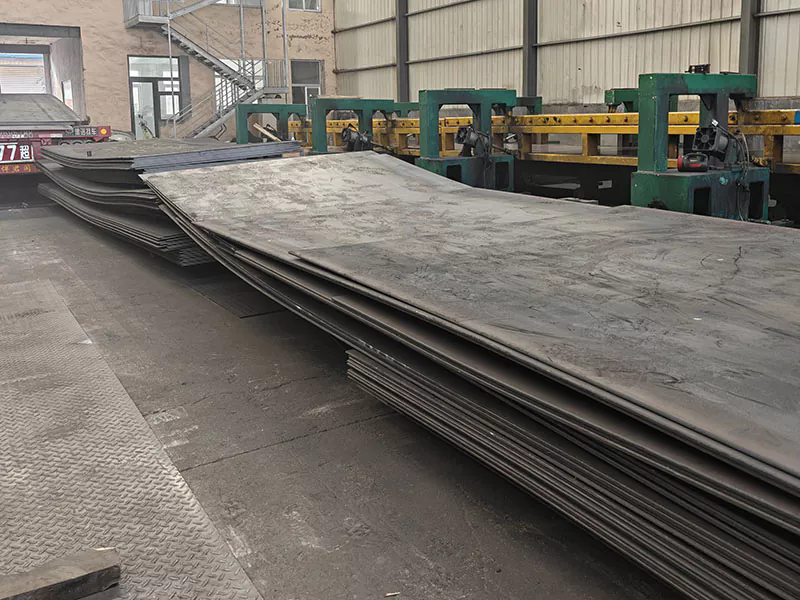
Table of Contents
- What Is Hot Rolled Plate?
- How Is Hot Rolled Plate Manufactured?
- Why Hot Rolled Plate Is Important in Industrial Projects
- Key Advantages of Hot Rolled Plate
- Common Applications Across Industries
- Hot Rolled Plate Material Grades
- Hot Rolled Plate vs Cold Rolled Steel
- How to Choose the Right Hot Rolled Plate
- Why Manufacturers Choose Sanhe
- Frequently Asked Questions
What Is Hot Rolled Plate?
Hot Rolled Plate refers to steel plate processed at high temperatures, typically above the steel recrystallization point. During the rolling process, steel slabs are heated and passed through rollers to achieve the desired thickness and dimensions.
Because the steel is rolled while hot, it becomes easier to shape and form into large sections. This makes Hot Rolled Plate highly suitable for heavy-duty structural and industrial applications where strength, toughness, and cost-efficiency are critical.
Compared with other steel products, hot rolled plates offer better workability for welding, cutting, drilling, and fabrication. Their balanced mechanical properties make them ideal for projects requiring high structural reliability.
How Is Hot Rolled Plate Manufactured?
The manufacturing process directly affects steel plate performance. Understanding production stages helps buyers evaluate product quality and consistency.
-
Steel Slab Preparation
Raw steel slabs are prepared and inspected before entering the reheating furnace. -
High-Temperature Heating
The slabs are heated to temperatures above 1700°F (926°C), allowing the steel to become malleable. -
Rolling Process
The heated slabs pass through rolling mills repeatedly until reaching target thickness and dimensions. -
Cooling Stage
After rolling, the steel plates cool naturally at room temperature. -
Surface Treatment and Inspection
Final inspection ensures dimensional accuracy, mechanical strength, and surface quality.
Reliable manufacturers like Sanhe apply strict production controls to maintain stable plate quality and mechanical performance for industrial clients.
Why Hot Rolled Plate Is Important in Industrial Projects
Industrial projects require materials capable of handling heavy loads, vibration, impact, and harsh environmental conditions. Hot Rolled Plate provides the durability and flexibility necessary for these demanding operations.
Many manufacturers struggle with production downtime caused by poor-quality steel materials. Inferior steel plates may crack during welding, deform under pressure, or corrode prematurely.
High-quality Hot Rolled Plate helps solve these issues by offering:
- Excellent structural strength
- Good weldability and machinability
- Improved load-bearing capacity
- Reliable performance in heavy-duty environments
- Cost-effective fabrication
These advantages make hot rolled steel plates a foundational material in modern industrial engineering.
Key Advantages of Hot Rolled Plate
| Advantage | Description |
|---|---|
| High Strength | Suitable for structural and heavy industrial applications. |
| Cost Efficiency | Lower processing costs compared to cold rolled materials. |
| Easy Fabrication | Supports welding, bending, drilling, and cutting. |
| Large Size Availability | Available in thick and wide dimensions for heavy projects. |
| Versatile Applications | Used across transportation, energy, and infrastructure industries. |
These benefits help manufacturers reduce processing time while improving operational efficiency and long-term reliability.
Common Applications Across Industries
Hot Rolled Plate is used extensively across multiple industries due to its mechanical performance and adaptability.
| Industry | Application |
|---|---|
| Construction | Bridges, steel structures, buildings |
| Shipbuilding | Ship hulls and marine structures |
| Automotive | Truck frames and chassis components |
| Energy | Pipelines, storage tanks, wind towers |
| Machinery | Industrial equipment and heavy machinery |
As global infrastructure and industrial investments continue growing, demand for high-performance hot rolled steel plates remains strong.
Hot Rolled Plate Material Grades
Selecting the proper material grade is essential for ensuring project safety and long-term durability.
- ASTM A36 – General structural steel with good weldability
- ASTM A572 – High-strength low-alloy steel for structural applications
- ASTM A516 – Pressure vessel quality steel
- SS400 – Widely used structural steel grade
- Q235/Q345 – Common grades for industrial fabrication and construction
Each grade provides different mechanical properties, including tensile strength, hardness, corrosion resistance, and impact performance. Buyers should work closely with experienced suppliers like Sanhe to select the appropriate specification.
Hot Rolled Plate vs Cold Rolled Steel
Many buyers are uncertain whether hot rolled or cold rolled steel is more suitable for their applications. The comparison below helps clarify the differences.
| Feature | Hot Rolled Plate | Cold Rolled Steel |
|---|---|---|
| Processing Temperature | High temperature | Room temperature |
| Surface Finish | Rougher surface | Smooth surface |
| Cost | More economical | Higher cost |
| Applications | Structural and industrial | Precision and appearance-focused |
For heavy-duty structural projects where appearance is less critical, Hot Rolled Plate remains the preferred solution.
How to Choose the Right Hot Rolled Plate
Choosing the correct steel plate supplier and specification can significantly affect project success.
Before purchasing, buyers should evaluate:
- Required plate thickness and dimensions
- Mechanical strength requirements
- Welding and fabrication compatibility
- Environmental exposure conditions
- International standards compliance
- Supplier production capacity and quality control
An experienced supplier can provide technical guidance, stable inventory, and customized solutions that reduce operational risk and procurement delays.
Why Manufacturers Choose Sanhe
Sanhe supplies high-quality Hot Rolled Plate products for global industrial customers. The company focuses on consistent product quality, strict inspection standards, and responsive customer support.
Key advantages include:
- Comprehensive material grade options
- Stable supply capabilities
- Custom sizing support
- Professional export experience
- Reliable quality inspection procedures
- Competitive pricing for bulk orders
With increasing demand for durable and cost-effective steel solutions, Sanhe continues helping businesses improve manufacturing efficiency and structural reliability worldwide.
Frequently Asked Questions
What thicknesses are available for Hot Rolled Plate?
Hot rolled plates are available in various thicknesses, typically ranging from several millimeters to over 100 mm depending on application requirements.
Is Hot Rolled Plate suitable for welding?
Yes. Most hot rolled steel plates provide excellent weldability, making them ideal for fabrication and structural assembly.
Can Hot Rolled Plate resist corrosion?
Standard hot rolled plates may require protective coatings or galvanization for corrosive environments. Specialized grades offer improved corrosion resistance.
Which industries use Hot Rolled Plate the most?
Construction, shipbuilding, transportation, energy, mining, and heavy equipment manufacturing are major users of hot rolled steel plates.
Why is supplier quality important?
Reliable suppliers ensure consistent mechanical properties, accurate dimensions, and compliance with international standards, reducing project risks and operational failures.
Conclusion
Hot Rolled Plate plays a critical role in modern industrial manufacturing and infrastructure development. Its strength, versatility, weldability, and cost efficiency make it an essential material for demanding applications worldwide.
Whether you need steel plates for construction, machinery, transportation, or energy projects, choosing a trusted supplier is vital for ensuring long-term performance and project success.
Looking for reliable Hot Rolled Plate solutions? Sanhe provides professional steel supply services, customized specifications, and dependable quality support for global customers. Contact us today to discuss your project requirements and receive a competitive quotation.