

How Does Hot Rolled Coil Improve Industrial Manufacturing Efficiency?
2026-05-18
Hot Rolled Coil plays a critical role in modern manufacturing, construction, automotive production, infrastructure projects, and heavy industrial applications. Choosing the right coil specification directly affects product durability, fabrication efficiency, and overall production cost. This guide explains how Hot Rolled Coil works, where it is used, and how buyers can select the best material for their operational requirements.
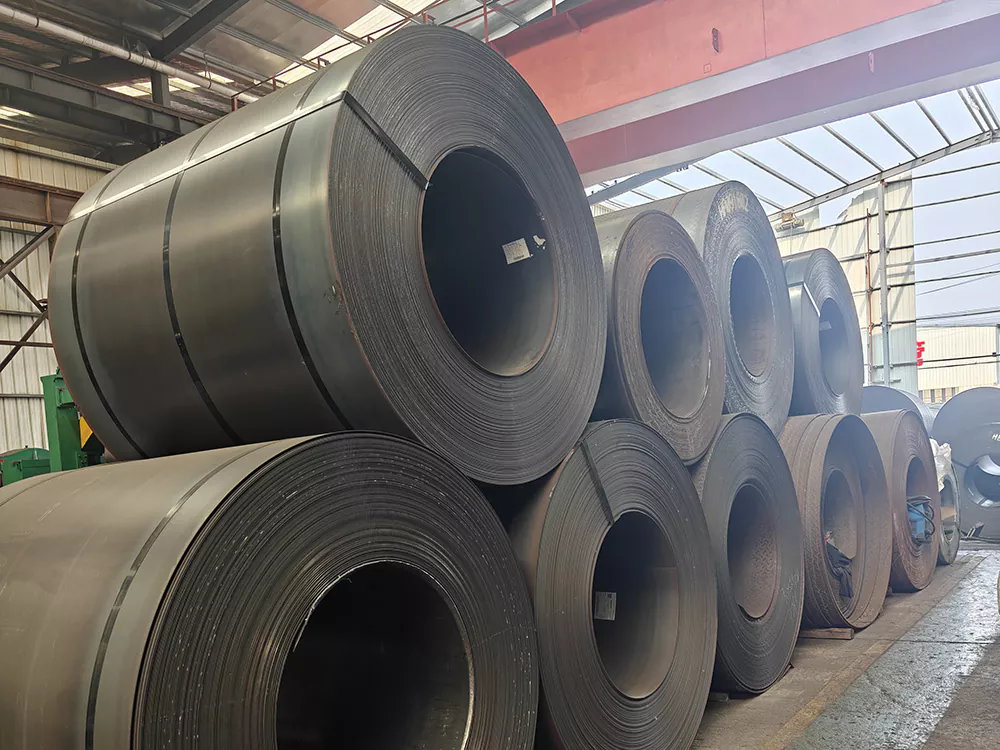
Article Summary
This article explores the manufacturing process, advantages, applications, quality standards, and purchasing considerations of Hot Rolled Coil. It also addresses common buyer concerns such as surface quality, strength, dimensional tolerance, corrosion resistance, and supply stability. Businesses seeking reliable steel solutions can benefit from understanding how Hot Rolled Coil improves operational efficiency and reduces manufacturing costs.
Table of Contents
- 1. What Is Hot Rolled Coil?
- 2. How Is Hot Rolled Coil Manufactured?
- 3. Key Advantages of Hot Rolled Coil
- 4. Common Industrial Applications
- 5. How to Choose the Right Hot Rolled Coil
- 6. Important Technical Specifications
- 7. Common Challenges Buyers Face
- 8. Why Stable Supply Matters
- 9. Hot Rolled Coil vs Cold Rolled Coil
- 10. FAQ
What Is Hot Rolled Coil?
Hot Rolled Coil, commonly abbreviated as HRC, is a steel product manufactured through a high-temperature rolling process. Steel slabs are heated above their recrystallization temperature and then processed through rolling mills to achieve the required thickness and width.
Due to its cost-effectiveness, excellent mechanical properties, and wide dimensional range, Hot Rolled Coil is extensively used in industries such as construction, shipbuilding, machinery manufacturing, pipelines, transportation, and energy infrastructure.
Manufacturers prefer Hot Rolled Coil because it offers outstanding workability for welding, forming, cutting, and structural fabrication. Compared with more processed steel products, it provides a highly economical solution for large-scale industrial operations.
- Excellent formability for fabrication
- Strong structural performance
- Lower production cost compared to cold rolled products
- Suitable for heavy-duty industrial applications
- Available in multiple grades and dimensions
How Is Hot Rolled Coil Manufactured?
The manufacturing process of Hot Rolled Coil begins with heating steel slabs to temperatures exceeding 1,700°F (926°C). At this temperature, steel becomes highly malleable and easier to shape.
The heated slabs pass through a series of rolling stands where the material is compressed into thinner sheets. After achieving the target dimensions, the steel strip is coiled while still hot and then cooled under controlled conditions.
| Production Stage | Main Purpose |
|---|---|
| Slab Heating | Increase steel ductility for rolling |
| Rough Rolling | Reduce slab thickness |
| Finish Rolling | Achieve final dimensions and surface quality |
| Coiling | Prepare steel for transportation and storage |
| Cooling | Stabilize mechanical properties |
Modern steel mills utilize advanced automation systems to improve thickness consistency, flatness control, and production efficiency. Reliable manufacturers maintain strict quality inspections throughout the process to ensure compliance with international standards.
Key Advantages of Hot Rolled Coil
One of the biggest advantages of Hot Rolled Coil is its affordability. Since the production process involves fewer finishing operations, manufacturing costs remain relatively low.
Another major benefit is versatility. Hot Rolled Coil can be processed into pipes, steel structures, storage tanks, automotive frames, agricultural machinery, and countless fabricated products.
- Cost Efficiency: Lower processing costs help manufacturers reduce overall expenses.
- High Strength: Suitable for structural and heavy-load applications.
- Excellent Weldability: Simplifies fabrication processes.
- Large Size Availability: Supports industrial-scale production.
- Strong Durability: Performs reliably under harsh working conditions.
Companies such as Junray Electrical understand the importance of dependable steel materials for industrial manufacturing systems. Stable material quality directly impacts equipment reliability, operational safety, and long-term project performance.
Common Industrial Applications
Hot Rolled Coil is widely used across numerous industries because of its adaptability and strength characteristics.
| Industry | Application Examples |
|---|---|
| Construction | Structural beams, columns, bridges |
| Automotive | Frames, wheels, chassis components |
| Energy | Pipelines, storage tanks |
| Shipbuilding | Hull structures and heavy plates |
| Machinery | Industrial equipment and fabrication |
In infrastructure development, Hot Rolled Coil is often selected for projects requiring high load-bearing capacity and long-term durability. Manufacturers value its flexibility during cutting, welding, and forming operations.
How to Choose the Right Hot Rolled Coil
Selecting the right Hot Rolled Coil requires evaluating several technical and operational factors. Buyers should carefully assess their application environment, fabrication process, and performance expectations before purchasing.
- Determine the required steel grade
- Verify thickness and width tolerances
- Evaluate tensile strength requirements
- Consider corrosion protection needs
- Confirm compliance with industry standards
- Assess supplier production capability
Reliable suppliers typically provide detailed mill test certificates, dimensional inspection reports, and quality documentation. Reviewing these details can help buyers avoid production issues and unexpected material failures.
Businesses seeking detailed product specifications can also review industrial Hot Rolled Coil solutions here: Hot Rolled Coil Product Page.
Important Technical Specifications
Technical specifications significantly influence Hot Rolled Coil performance in industrial applications. Different grades are designed for specific structural, mechanical, or fabrication requirements.
| Specification | Importance |
|---|---|
| Thickness | Affects strength and fabrication capability |
| Width | Determines processing compatibility |
| Yield Strength | Defines load-bearing performance |
| Tensile Strength | Measures resistance to breaking |
| Surface Finish | Impacts coating and appearance quality |
Industrial buyers should always ensure that the selected Hot Rolled Coil meets the exact engineering requirements of their projects.
Common Challenges Buyers Face
Purchasing Hot Rolled Coil involves several challenges that can affect manufacturing timelines and production quality.
- Inconsistent thickness tolerance
- Surface scale affecting coating performance
- Delayed shipment schedules
- Insufficient stock availability
- Material defects impacting fabrication
- Unstable pricing due to market fluctuations
Working with experienced suppliers minimizes these risks. Established manufacturers maintain better quality control systems, inventory management, and logistics coordination.
Why Stable Supply Matters
Supply chain reliability is one of the most important considerations for industrial buyers. Delayed material delivery can disrupt manufacturing schedules, increase labor costs, and postpone project completion.
Large-scale industries require suppliers capable of delivering consistent material quality and stable shipment schedules. Companies such as Junray Electrical recognize that uninterrupted material supply is essential for maintaining production efficiency and meeting customer deadlines.
Long-term supplier partnerships often provide advantages such as priority production allocation, customized specifications, and better pricing stability.
Hot Rolled Coil vs Cold Rolled Coil
Many buyers compare Hot Rolled Coil with Cold Rolled Coil before making purchasing decisions. Each material offers unique advantages depending on the intended application.
| Feature | Hot Rolled Coil | Cold Rolled Coil |
|---|---|---|
| Production Temperature | High temperature | Room temperature processing |
| Surface Finish | Rougher surface | Smoother surface |
| Cost | More economical | Higher cost |
| Dimensional Accuracy | Moderate | Higher precision |
| Main Applications | Structural and industrial use | Precision manufacturing |
For heavy industrial applications where cost efficiency and structural strength are priorities, Hot Rolled Coil is often the preferred solution.
FAQ
How durable is Hot Rolled Coil?
Hot Rolled Coil offers excellent structural strength and durability, especially in heavy-duty industrial applications such as construction, machinery, and transportation.
How can buyers verify product quality?
Buyers should request mill test certificates, inspect dimensional tolerances, and confirm compliance with international manufacturing standards.
How is Hot Rolled Coil stored properly?
Proper storage includes keeping coils in dry, ventilated environments and protecting them from excessive moisture exposure to reduce corrosion risks.
How does Hot Rolled Coil reduce manufacturing costs?
The simplified production process lowers manufacturing expenses while still providing strong mechanical performance for industrial applications.
Looking for Reliable Hot Rolled Coil Solutions?
Choosing the right steel supplier can significantly improve product quality, production efficiency, and project reliability. Whether you need stable supply capacity, customized specifications, or professional technical support, working with experienced industry partners makes a substantial difference.
Junray Electrical is committed to supporting industrial customers with dependable material solutions and professional service. If you are searching for high-quality Hot Rolled Coil products for your next project, contact us today to discuss your requirements and receive professional assistance tailored to your business needs.