
How Does FeCrAl Alloy Foil Solve High-Temperature Material Challenges?
2026-02-11
Abstract: FeCrAl alloy foil is a high-performance metallic material designed for environments involving extreme heat, oxidation, and prolonged operational stress. This article explains what FeCrAl alloy foil is, why it matters for industrial applications, and how its unique properties directly address common customer challenges such as high-temperature stability, oxidation resistance, and long service life. We explore specific use cases, technical factors, and comparison data to help engineers, purchasing managers, and material specifiers make informed decisions for their projects.
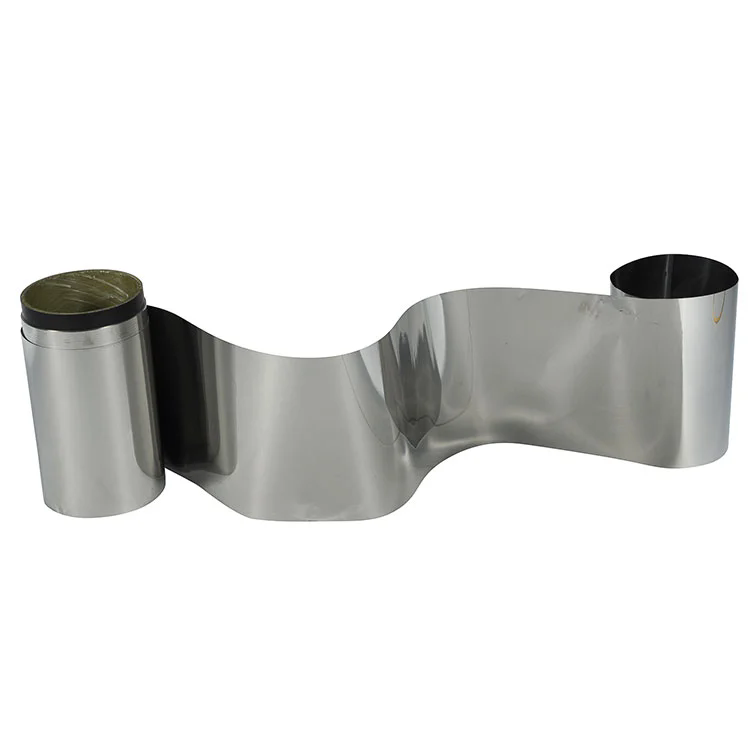
Table of Contents
- Introduction to FeCrAl Alloy Foil
- Key Material Properties
- How FeCrAl Addresses Customer Challenges
- Primary Industrial Applications
- Comparison with Alternative Materials
- Outstanding Technical Specifications
- Implementation Guidelines
- FAQ
- Conclusion & Contact
Introduction to FeCrAl Alloy Foil
FeCrAl alloy foil is a thin (typically 0.01–0.3 mm) metal product comprised primarily of iron (Fe), chromium (Cr), and aluminum (Al). Engineered for applications where high temperatures and oxidative environments are unavoidable, FeCrAl foil delivers a balance of mechanical strength, thermal stability, and corrosion resistance unmatched by many conventional steels or nickel-based alloys.
In sectors such as heating elements, catalysts, automotive exhaust systems, and industrial furnaces, material choice can determine both performance and lifecycle costs. FeCrAl foil’s engineered chemistry positions it as a reliable solution to these demanding requirements.
Key Material Properties
The performance of FeCrAl foil stems from its composition and metallurgical structure. Below is a structured summary of key attributes engineers evaluate when specifying materials for high-temperature use:
| Property | Description | Benefit |
|---|---|---|
| High-Temperature Strength | Retains mechanical integrity at temperatures up to 1400°C (2550°F). | Prevents deformation under load during prolonged heat exposure. |
| Oxidation Resistance | Forms a stable aluminum oxide (Al₂O₃) layer on the surface. | Reduces surface scaling and material degradation. |
| Thermal Cycling Tolerance | Withstands repeated heating and cooling cycles. | Extends component life in fluctuating processes. |
| Corrosion Resistance | Effective against sulfur-bearing atmospheres and water vapor. | Improves reliability in harsh environments. |
| Workability | Foil can be formed into complex shapes. | Supports custom designs and integration flexibility. |
How FeCrAl Addresses Customer Challenges
1. High-Temperature Stability
Clients working with thermal processes often encounter materials that soften, warp, or oxidize at elevated temperatures. FeCrAl foil’s metallurgical design ensures that it maintains strength where many low-alloy steels fail. The aluminum content promotes the formation of a continuous, adherent oxide layer that protects the metal rather than allowing rapid scale development that degrades performance.
2. Extended Service Life
Downtime and frequent replacements drive up operational expenses. FeCrAl foils are selected in heating elements and thermal insulation components because their resistance to oxidation and thermal shock directly translates to longer useful life. When cycles of heating and cooling occur repeatedly, materials susceptible to cracking or embrittlement will fail prematurely. FeCrAl resists these failure modes.
3. Enhanced Corrosion Resistance in Complex Environments
Standard alloys can falter in atmospheres containing sulfur or chlorides, common in industrial settings. The protective oxide scale on FeCrAl foils remains stable even when exposed to such aggressive conditions, offering a reliable option where other alloys might corrode quickly.
Primary Industrial Applications
- Heating Elements: Used in electric heaters, infrared emitters, and kiln components.
- Catalytic Substrates: In automotive exhaust systems and industrial catalysts.
- High-Temperature Seals and Gaskets: For furnace doors and thermal barriers.
- Electrical Contacts and Resistors: Where stable resistance over temperature is demanded.
- Thermal Shielding: Radiation shields in aerospace and industrial ovens.
Comparison with Alternative Materials
Customers frequently compare FeCrAl foil with austenitic stainless steels and nickel-based superalloys. Below is a simplified comparison focusing on performance drivers:
| Material | Max Operating Temp | Oxidation Resistance | Cost | Typical Use Case |
|---|---|---|---|---|
| FeCrAl Alloy Foil | ~1400°C | Excellent | Moderate | Heating elements, thermal barriers |
| Stainless Steel (300 Series) | ~900°C | Good | Low | General corrosion environments |
| Nickel-Based Alloys | ~1200–1300°C | Very Good | High | Aerospace, high-stress turbines |
This comparison illustrates that FeCrAl foil strikes a balance between performance and cost, particularly where oxidation resistance and thermal cycling tolerance are prioritized over maximum tensile strength.
Outstanding Technical Specifications
Below is an example set of technical parameters typical for industrial FeCrAl alloy foils:
- Thickness Range: 0.01 mm – 0.30 mm
- Width: Up to 1000 mm (depending on rolling mill capabilities)
- Chemical Composition: Fe balance, Cr 20–30%, Al 4–6%, minor alloying elements such as Yttrium for scale adhesion
- Tensile Strength: > 400 MPa at room temperature
- Elongation: ≥ 10% (varies with thickness)
- Oxidation Resistance: Maintains protective scale at 1100°C+
These parameters will vary by exact grade and processing route. Engineers specifying materials should confirm certificate documentation from the supplier for critical dimensions and performance requirements.
Implementation Guidelines
Handling & Forming
FeCrAl foil is ductile but can work-harden. Use appropriate tooling and avoid excessive bending radii to prevent micro-cracks. When coiling or uncoiling, ensure flatness control to avoid permanent set or surface blemishes.
Surface Preparation Prior to Assembly
Clean surfaces of oils and contamination before installation in assemblies, especially for catalytic or heating applications. Residual contaminants can affect oxidation kinetics.
Operating Environment Considerations
Although FeCrAl foil is oxidation resistant, environments with high chlorine content require additional protective coatings or design adjustments. Evaluate gas analyses before final material selection for severe environments.
FAQ
Q1: What makes FeCrAl alloy foil superior for high-temperature use?
A1: Its ability to form a stable aluminum oxide surface layer prevents rapid oxidation, and its alloy balance maintains mechanical integrity at elevated temperatures where other alloys soften or scale quickly.
Q2: Can FeCrAl foil be welded or brazed?
A2: Yes, but welding parameters must be carefully controlled to avoid distortion and maintain protective scale formation. Brazing may require compatible filler metals designed for high temperatures.
Q3: Is FeCrAl foil suitable for outdoor high-heat environments?
A3: Yes, its oxidation and corrosion resistance make it suitable for many outdoor thermal applications, though specific environmental factors should be evaluated.
Q4: How do I select the right thickness?
A4: Thickness selection depends on thermal load, mechanical stress, and manufacturing process. Thinner foil may be ideal for lightweight assemblies, whereas thicker foil is preferred where mechanical stresses are higher.
Conclusion
FeCrAl alloy foil offers a compelling combination of high-temperature performance, oxidation resistance, and durability that solves many material challenges in demanding industrial applications. Whether used in heating elements, catalysts, or thermal shields, its engineered properties deliver long-term service life and stable performance. For projects requiring consistent results under thermal stress and oxidative environments, specifying the right FeCrAl alloy foil grade and working with experienced material suppliers is crucial.
At Ningbo Huali Steel Co., Ltd., we specialize in providing high-quality FeCrAl alloy foils engineered to meet strict performance criteria. If you are evaluating material options for high-temperature applications or need technical insights for your next project, contact us to discuss tailored solutions that align with your operational goals.