

How Does Diamond Plate Improve Safety and Durability?
2026-05-06
Abstract: Diamond plate, also known as tread plate or checker plate, is widely used across industries for its combination of durability, slip resistance, and aesthetic appeal. This article explores its applications, material types, benefits, installation techniques, and maintenance tips, aiming to help businesses make informed choices when selecting diamond plate solutions for industrial, commercial, or architectural purposes.
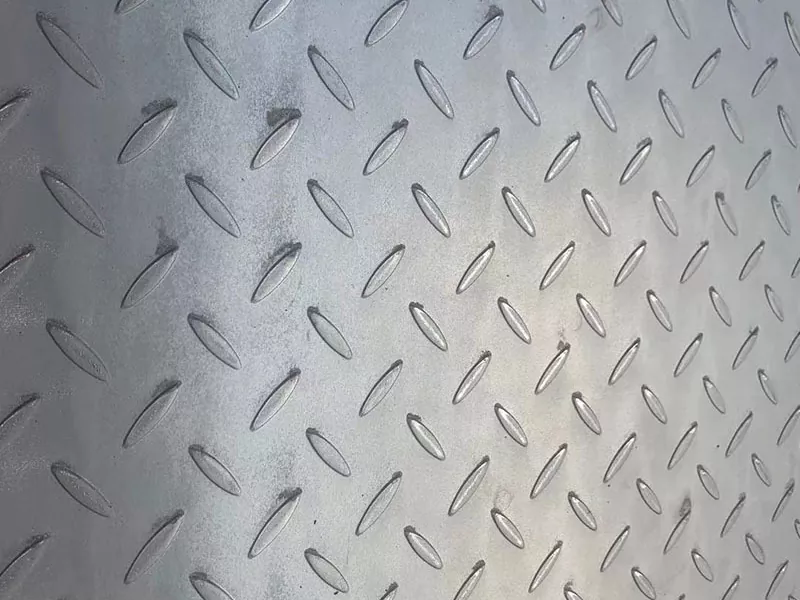
Table of Contents
- What Is Diamond Plate?
- Types of Diamond Plate
- Applications of Diamond Plate
- Benefits of Using Diamond Plate
- Installation Tips and Best Practices
- Maintenance and Longevity
- Frequently Asked Questions
What Is Diamond Plate?
Diamond plate is a type of metal sheet with a raised surface pattern of lines or diamonds. Its textured surface improves traction, making it ideal for areas prone to slips or heavy foot traffic. Typically made from aluminum, steel, or stainless steel, diamond plate combines strength with resistance to wear and corrosion.
Its raised patterns serve both functional and aesthetic purposes, providing a rugged appearance while enhancing safety. Whether used in industrial environments, commercial settings, or even home design, diamond plate offers versatility and durability.
Types of Diamond Plate
Diamond plates are classified according to material, thickness, and surface pattern. Below is a comparison of common types:
| Material | Advantages | Common Applications |
|---|---|---|
| Aluminum | Lightweight, corrosion-resistant, easy to fabricate | Truck beds, ramps, stair treads, architectural panels |
| Steel | Strong, cost-effective, ideal for heavy-duty use | Industrial flooring, loading docks, platforms |
| Stainless Steel | Highly corrosion-resistant, hygienic surface | Food processing areas, chemical plants, marine environments |
Each material choice depends on factors like weight, environmental exposure, and budget considerations.
Applications of Diamond Plate
Diamond plate is extremely versatile, serving various industries. Some notable applications include:
- Industrial Flooring: Factories, warehouses, and workshops benefit from its slip-resistant surface.
- Vehicle Protection: Truck beds, toolboxes, and steps often use aluminum diamond plate for durability and corrosion resistance.
- Architectural Design: Commercial buildings, staircases, and wall panels utilize diamond plate for both aesthetics and functionality.
- Marine and Outdoor Structures: Stainless steel and aluminum diamond plates resist corrosion in wet or salty environments.
Benefits of Using Diamond Plate
Choosing diamond plate offers multiple advantages:
- Enhanced Safety: Raised patterns reduce slips and improve traction.
- Durability: High-strength materials withstand heavy loads and impact.
- Corrosion Resistance: Aluminum and stainless steel resist rust and weathering.
- Low Maintenance: Easy to clean and maintain, extending lifespan.
- Visual Appeal: Polished or brushed finishes create an industrial yet stylish look.
Installation Tips and Best Practices
Proper installation ensures maximum performance and longevity of diamond plate:
- Surface Preparation: Ensure the underlying surface is clean, level, and free from debris.
- Correct Fasteners: Use screws, bolts, or adhesives suitable for the material type and application.
- Edge Protection: Install protective trims to prevent sharp edges from causing injuries.
- Expansion Allowance: Leave gaps for thermal expansion to prevent warping.
Following these practices helps maintain the structural integrity and safety of the installation.
Maintenance and Longevity
Diamond plate requires minimal maintenance but periodic care ensures its durability:
- Regular Cleaning: Wash with mild detergent and water to remove dirt, grease, or debris.
- Corrosion Prevention: Apply protective coatings on steel plates if exposed to harsh conditions.
- Inspection: Check for loose fasteners, dents, or wear and repair promptly.
- Polishing: For aluminum or stainless steel, polishing can maintain aesthetic appeal and prevent oxidation.
With proper care, diamond plate can last for decades, offering reliable performance in demanding environments.
Frequently Asked Questions
1. Is aluminum or steel diamond plate better for outdoor use?
Aluminum diamond plate is generally preferred for outdoor use due to its corrosion resistance and lightweight properties. Steel can be used but may require protective coatings.
2. Can diamond plate be welded or fabricated easily?
Yes, aluminum, steel, and stainless steel diamond plates can be cut, welded, and fabricated, though each material requires specific techniques to prevent damage to the raised patterns.
3. What thickness of diamond plate is suitable for heavy machinery flooring?
For heavy machinery or industrial platforms, 5mm to 10mm steel diamond plate is commonly used to withstand high loads.
4. How do I clean and maintain stainless steel diamond plate?
Use mild detergents and non-abrasive cloths. For stubborn stains, a stainless steel cleaner can be applied to maintain shine and prevent corrosion.
Diamond plate is a practical, durable, and aesthetically versatile material suitable for a wide range of industrial and architectural applications. Qingdao Sanhe Steel Co., Ltd. provides high-quality diamond plate solutions tailored to diverse needs. To learn more about our products and receive professional guidance, contact us today and enhance safety and durability in your projects.