

How Does Color Stone Roofing Improve Long-Term Roof Performance?
2026-01-30
Article Summary
Color Stone Roofing has become a widely adopted roofing solution in residential, commercial, and industrial construction due to its balance of durability, appearance, and long-term value. This article explains how Color Stone Roofing works, what problems it solves for property owners and developers, and why it is increasingly chosen over traditional roofing materials. Key aspects such as material structure, performance parameters, installation adaptability, and maintenance considerations are discussed in detail to help decision-makers evaluate its real-world benefits.
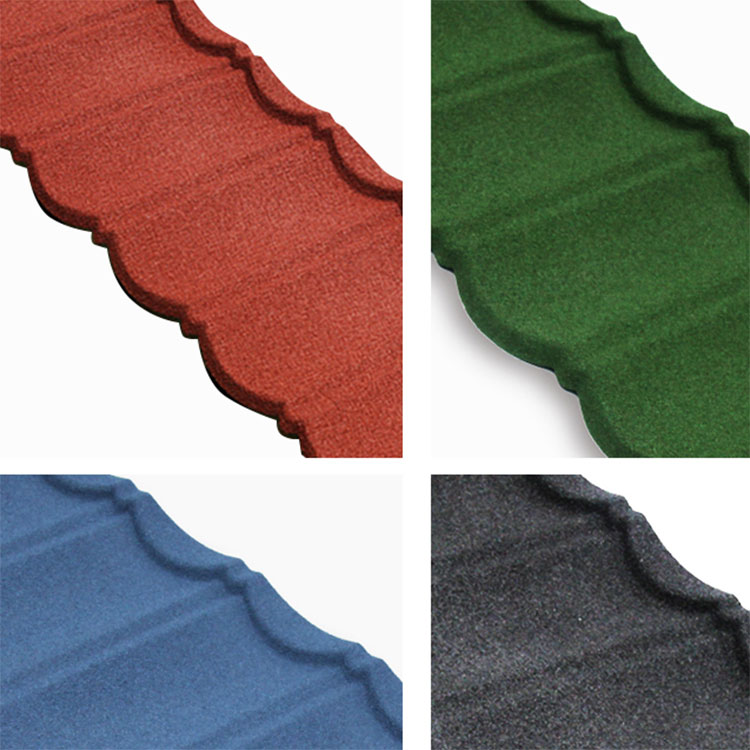
Table of Contents
- Article Outline
- Overview of Color Stone Roofing
- Common Roofing Challenges and Market Pain Points
- Material Structure and Technical Parameters
- Functional Advantages in Real Applications
- Comparison with Traditional Roofing Materials
- Typical Application Scenarios
- Frequently Asked Questions
- Conclusion and Contact Us
Article Outline
- Definition and composition of Color Stone Roofing
- Key customer concerns in roofing selection
- Technical parameters and material layers
- Weather resistance, safety, and lifespan benefits
- Use cases across different building types
- Clear answers to common buyer questions
Overview of Color Stone Roofing
Color Stone Roofing is a stone-coated steel roofing system engineered to combine the strength of metal with the visual texture of natural stone. It is designed to address common roofing challenges such as weather degradation, structural load, noise, and frequent maintenance. By integrating corrosion-resistant steel, high-performance adhesives, and natural stone granules, this roofing solution provides a stable and visually consistent surface across a wide range of climates.
Rather than focusing on short-term appearance, Color Stone Roofing is developed for long-term performance, making it suitable for projects where durability, safety, and lifecycle cost control are critical considerations.
Common Roofing Challenges and Market Pain Points
Property owners and contractors often face recurring issues when selecting roofing materials. Traditional solutions may fail to meet evolving environmental and structural requirements. The most common challenges include:
- Premature aging due to UV exposure and moisture infiltration
- High structural load increasing building stress
- Frequent maintenance and replacement cycles
- Limited design flexibility for modern architecture
- Poor resistance to wind, hail, and temperature fluctuations
Color Stone Roofing is engineered to directly respond to these challenges by combining lightweight construction with enhanced surface protection and mechanical strength.
Material Structure and Technical Parameters
The performance of Color Stone Roofing is determined by its layered structure. Each layer serves a specific function that contributes to overall reliability.
| Layer | Function Description |
|---|---|
| Steel Substrate | Provides core strength, load resistance, and structural stability |
| Anti-Corrosion Coating | Protects against rust, humidity, and chemical exposure |
| Adhesive Bond Layer | Ensures firm attachment between steel and stone granules |
| Natural Stone Granules | Enhances UV resistance, texture, and aesthetic consistency |
| Protective Seal Layer | Reduces granule loss and improves surface longevity |
This multi-layer configuration allows Color Stone Roofing to maintain stable performance under long-term environmental stress.
Functional Advantages in Real Applications
Color Stone Roofing demonstrates measurable advantages in daily use scenarios. Its lightweight nature reduces structural load, making it suitable for both new construction and renovation projects. The stone-coated surface disperses impact energy, improving resistance to hail and debris.
In addition, the granular surface helps reduce rain and wind noise compared to conventional metal roofing, improving indoor comfort. Thermal stability is enhanced by reflective properties and air circulation beneath the roofing system.
Comparison with Traditional Roofing Materials
- Compared with asphalt shingles, Color Stone Roofing offers longer service life and better weather resistance
- Compared with clay tiles, it reduces structural load while maintaining visual depth
- Compared with bare metal roofing, it improves noise control and surface durability
These comparisons highlight why many developers and contractors consider Color Stone Roofing a balanced solution rather than a single-purpose material.
Typical Application Scenarios
Color Stone Roofing is widely used across different building categories due to its adaptability:
- Residential housing and villas
- Commercial buildings and offices
- Hospitality and resort facilities
- Public infrastructure and institutional projects
Manufacturers such as CREATE provide diversified profiles and color systems to align with regional architectural styles and regulatory requirements.
Frequently Asked Questions
Q: How long can Color Stone Roofing typically last?
A: Under proper installation and normal environmental conditions, Color Stone Roofing is designed for long-term service, often exceeding several decades with minimal performance degradation.
Q: Is Color Stone Roofing suitable for extreme weather regions?
A: Yes. Its steel core and stone-coated surface provide strong resistance to wind uplift, UV exposure, heavy rain, and temperature variation.
Q: Does Color Stone Roofing require complex maintenance?
A: Routine visual inspection and basic cleaning are generally sufficient. The protective layers minimize corrosion and surface wear.
Conclusion and Contact Us
Color Stone Roofing represents a practical roofing solution that addresses long-standing concerns related to durability, safety, and lifecycle cost. By integrating structural strength with surface protection and design flexibility, it supports both functional and architectural objectives across diverse projects.
For project-specific recommendations and detailed product information from CREATE, professionals are encouraged to contact us to discuss technical requirements, customization options, and supply support tailored to local market needs.