

How Does Chassis Sheet Metal Improve Equipment Strength and Performance?
2026-05-11
Chassis sheet metal plays a critical role in modern manufacturing, industrial machinery, electronics, automotive systems, and custom equipment structures. Choosing the right chassis sheet metal solution directly affects durability, precision, heat dissipation, safety, and long-term operational stability. In this article, Xinyang explains how chassis sheet metal works, why it matters, and how businesses can choose the right fabrication partner for reliable performance.
Article Summary
Chassis sheet metal is widely used in electrical cabinets, server enclosures, communication devices, industrial control systems, transportation equipment, and customized machinery. High-quality chassis fabrication improves structural integrity, reduces vibration, protects internal components, and enhances product lifespan.
This guide explores manufacturing processes, material selection, fabrication advantages, common customer pain points, quality standards, and practical buying considerations to help businesses make informed decisions.
Table of Contents
- 1. What Is Chassis Sheet Metal?
- 2. Why Is Chassis Sheet Metal Important?
- 3. Common Materials Used in Chassis Fabrication
- 4. Key Manufacturing Processes
- 5. Major Benefits of High-Quality Chassis Sheet Metal
- 6. Common Customer Challenges and Solutions
- 7. Industries That Use Chassis Sheet Metal
- 8. How to Choose a Reliable Manufacturer
- 9. Frequently Asked Questions
- 10. Conclusion
What Is Chassis Sheet Metal?
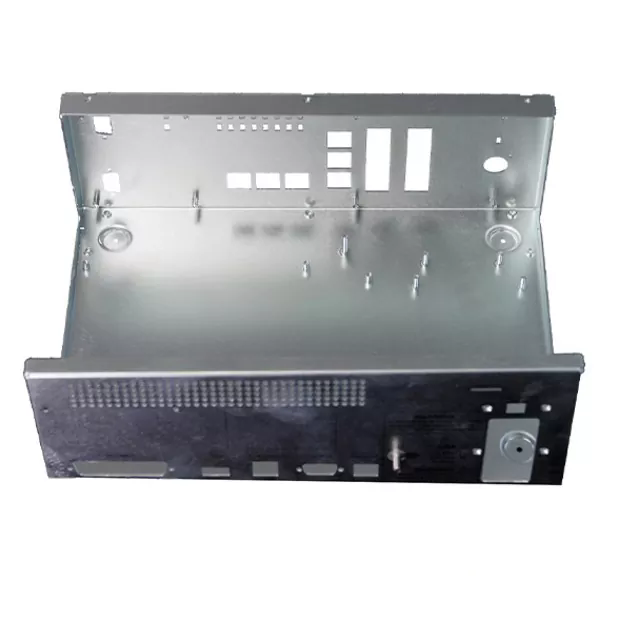
Chassis sheet metal refers to precision-fabricated metal structures designed to support, protect, and organize internal mechanical or electronic components. These chassis systems are typically manufactured using steel, stainless steel, aluminum, or galvanized metal sheets through cutting, bending, punching, welding, and surface treatment processes.
A chassis serves as the structural backbone of many products. It provides mounting support, vibration resistance, airflow management, and protection against external environmental conditions.
Modern chassis sheet metal products are engineered with tight tolerances to ensure accurate assembly and long-term operational reliability.
Why Is Chassis Sheet Metal Important?
Many industrial and commercial systems depend on stable structural performance. Weak or poorly manufactured chassis components can lead to operational failure, overheating, excessive vibration, or equipment damage.
High-quality chassis sheet metal offers several critical advantages:
- Improves equipment stability and structural support
- Protects sensitive electronic and mechanical components
- Enhances heat dissipation and ventilation
- Reduces maintenance and replacement costs
- Supports efficient internal cable and component management
- Provides corrosion and environmental resistance
- Improves product appearance and professionalism
For industries where reliability is essential, investing in precision chassis fabrication significantly reduces long-term operational risks.
Common Materials Used in Chassis Fabrication
Material selection directly impacts durability, weight, conductivity, and cost efficiency. Different applications require different material characteristics.
| Material | Main Advantages | Typical Applications |
|---|---|---|
| Cold Rolled Steel | Strong, cost-effective, easy to fabricate | Industrial cabinets, machinery |
| Stainless Steel | Excellent corrosion resistance | Medical equipment, outdoor systems |
| Aluminum | Lightweight and heat conductive | Electronics, aerospace, telecom |
| Galvanized Steel | Rust-resistant and durable | Electrical enclosures |
Choosing the right material depends on environmental exposure, load requirements, operating temperature, and budget considerations.
Key Manufacturing Processes
Precision chassis sheet metal production involves multiple fabrication stages. Each stage influences the final product quality and assembly accuracy.
- Laser Cutting: Provides accurate and clean cuts for complex designs.
- CNC Punching: Creates mounting holes and ventilation patterns.
- Bending: Forms structural angles and support sections.
- Welding: Joins metal sections for enhanced structural strength.
- Surface Treatment: Includes powder coating, polishing, anodizing, or plating.
- Assembly: Integrates fasteners, hinges, brackets, and accessories.
Advanced manufacturing equipment ensures consistency, efficiency, and precision throughout production.
Major Benefits of High-Quality Chassis Sheet Metal
Businesses often underestimate the importance of chassis quality until operational issues occur. Precision-engineered sheet metal chassis deliver measurable performance improvements.
| Benefit | Operational Impact |
|---|---|
| Structural Stability | Reduces vibration and equipment movement |
| Heat Management | Improves airflow and cooling efficiency |
| Precision Assembly | Ensures accurate component alignment |
| Corrosion Resistance | Extends service life in harsh environments |
| Customization Flexibility | Supports unique project requirements |
| Professional Appearance | Enhances product value and branding |
Companies using high-quality chassis structures typically experience fewer maintenance interruptions and improved system reliability.
Common Customer Challenges and Solutions
Many buyers face recurring issues when sourcing chassis sheet metal products. Understanding these challenges helps avoid expensive mistakes.
| Customer Challenge | Recommended Solution |
|---|---|
| Poor dimensional accuracy | Choose CNC precision fabrication suppliers |
| Rust and corrosion problems | Select suitable coatings and stainless materials |
| Weak structural support | Optimize thickness and reinforcement design |
| High production delays | Work with experienced manufacturing teams |
| Inconsistent product quality | Require strict quality inspection procedures |
At Xinyang, advanced manufacturing systems and experienced engineering support help customers reduce production risks while improving product consistency.
Industries That Use Chassis Sheet Metal
Chassis sheet metal products are widely used across multiple industries due to their versatility and structural performance.
- Industrial automation equipment
- Power distribution systems
- Communication and telecom devices
- Server cabinets and data centers
- Transportation equipment
- Medical machinery
- Security monitoring systems
- Renewable energy equipment
- Consumer electronics
As industrial technology advances, demand for customized sheet metal chassis continues to grow rapidly.
How to Choose a Reliable Manufacturer
Selecting the right chassis sheet metal supplier directly affects product quality, production timelines, and long-term business success.
Before choosing a manufacturer, evaluate the following factors:
- Manufacturing experience and engineering expertise
- Production equipment and automation capability
- Customization flexibility
- Material sourcing standards
- Quality inspection procedures
- Surface finishing capabilities
- Delivery reliability
- Technical communication efficiency
Xinyang provides customized chassis sheet metal solutions designed to meet demanding industrial requirements. With advanced fabrication technology and strict production management, the company supports both prototype development and large-scale manufacturing projects.
Frequently Asked Questions
What thickness is commonly used for chassis sheet metal?
Thickness varies depending on the application. Common ranges include 0.8mm to 3.0mm, while heavy-duty industrial structures may require thicker materials.
Which material is best for corrosion resistance?
Stainless steel and galvanized steel are widely preferred for environments with moisture, chemicals, or outdoor exposure.
Can chassis sheet metal be customized?
Yes. Most professional manufacturers provide custom dimensions, hole patterns, surface finishes, logos, and assembly options.
Why is precision important in chassis fabrication?
Precision ensures proper component alignment, easier assembly, improved safety, and reduced operational failures.
How long does production usually take?
Production time depends on design complexity, quantity, and finishing requirements. Prototype orders are typically faster than large-volume manufacturing.
Conclusion
Chassis sheet metal is far more than a simple enclosure structure. It directly impacts equipment safety, operational reliability, thermal management, and product durability. Businesses that prioritize high-quality chassis fabrication gain better long-term performance and reduced maintenance costs.
Whether you require industrial enclosures, communication cabinets, electronic housings, or customized structural solutions, choosing an experienced manufacturing partner is essential.
Contact Us
Xinyang specializes in precision chassis sheet metal fabrication solutions for a wide range of industries. Our experienced engineering team can help you develop durable, customized, and cost-effective products tailored to your exact requirements.
If you are looking for reliable chassis sheet metal manufacturing with stable quality, fast delivery, and professional technical support, contact us today to discuss your project and receive a customized solution.