

How Does Carbon Steel Pipe Support Modern Industrial Applications?
2026-07-28
Article Summary
Carbon steel pipe is one of the most widely used industrial materials because of its excellent strength, durability, versatility, and cost efficiency. From oil and gas transportation to construction projects, mechanical systems, and infrastructure development, carbon steel pipes provide reliable solutions for demanding environments.
However, selecting the right carbon steel pipe is not always simple. Engineers, contractors, and purchasing teams often face challenges such as choosing the correct grade, preventing corrosion, controlling project costs, and ensuring long-term performance. This article explains how carbon steel pipe works, why it remains an essential material, how to select the right option, and how professional suppliers like Lingchuang Steel Group Co., Ltd. help customers achieve reliable project outcomes.
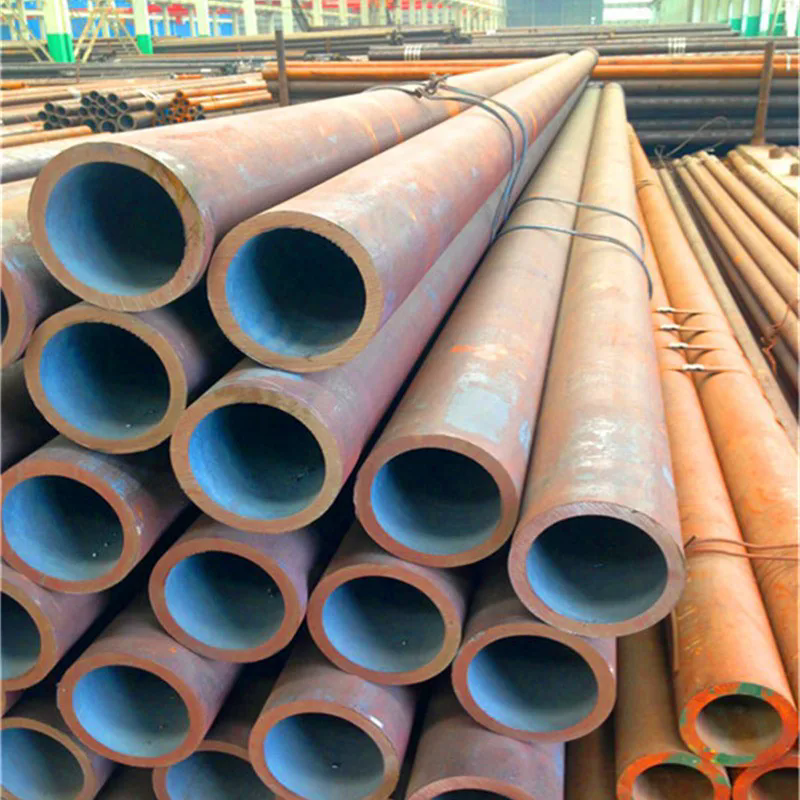
Table of Contents
- 1. Article Outline
- 2. What Is Carbon Steel Pipe?
- 3. How Does Carbon Steel Pipe Work in Industrial Systems?
- 4. Why Is Carbon Steel Pipe Widely Used?
- 5. Common Types of Carbon Steel Pipe
- 6. How to Select the Right Carbon Steel Pipe?
- 7. Common Customer Challenges and Solutions
- 8. Why Choose Lingchuang Steel Group Co., Ltd.?
- 9. Frequently Asked Questions
Article Outline
- Understanding the basic structure and function of carbon steel pipes
- Exploring applications across different industries
- Comparing different carbon steel pipe types
- Learning how to avoid purchasing and installation problems
- Discovering how professional steel suppliers improve project efficiency
What Is Carbon Steel Pipe?
Carbon steel pipe is a tubular steel product mainly made from iron and carbon, with carbon acting as the primary strengthening element. The amount of carbon content influences the pipe’s hardness, strength, weldability, and flexibility.
Unlike specialty alloy pipes that contain large amounts of additional metals, carbon steel pipes provide a practical balance between mechanical performance and manufacturing cost. This makes them suitable for applications where high strength and durability are required without excessive material expenses.
Carbon steel pipes are manufactured through different production methods, including seamless and welded processes. The manufacturing method directly affects pressure resistance, dimensional accuracy, and application suitability.
| Feature | Description |
|---|---|
| Main Material | Iron and carbon alloy |
| Strength | High mechanical strength and load-bearing ability |
| Applications | Construction, energy, manufacturing, transportation |
| Advantages | Durability, affordability, versatility |
How Does Carbon Steel Pipe Work in Industrial Systems?
Carbon steel pipe works by providing a strong and stable pathway for transporting fluids, gases, or supporting structural loads. Its internal surface allows materials such as water, oil, gas, and chemicals to move efficiently through industrial systems.
In pressure applications, carbon steel pipe must withstand internal forces created by flowing materials. The pipe wall thickness, steel grade, manufacturing method, and operating conditions determine its pressure capability.
For example, in oil and gas industries, pipelines require excellent strength because they may operate under high pressure and extreme environmental conditions. In construction projects, carbon steel pipes are often used as structural supports because they can handle heavy loads while maintaining stability.
- Fluid Transportation: Used for moving water, oil, gas, and industrial liquids.
- Structural Support: Provides strength for buildings, bridges, and frameworks.
- Mechanical Equipment: Used in machinery and manufacturing systems.
- Energy Projects: Supports power plants and pipeline networks.
Why Is Carbon Steel Pipe Widely Used?
The popularity of carbon steel pipe comes from its combination of performance, availability, and economic advantages. Many industries choose carbon steel because it delivers dependable results under challenging operating conditions.
| Advantage | Benefit to Customers |
|---|---|
| High Strength | Handles heavy pressure and mechanical stress |
| Cost Efficiency | Provides reliable performance with reasonable investment |
| Easy Fabrication | Can be welded, cut, and processed efficiently |
| Wide Availability | Suitable for global supply chains and large projects |
| Long Service Life | Reduces replacement frequency and maintenance costs |
Another important advantage is adaptability. Carbon steel pipes can be customized with different dimensions, wall thicknesses, surface treatments, and connection methods to meet specific project requirements.
Common Types of Carbon Steel Pipe
Choosing the correct pipe type is essential because different manufacturing processes create different performance characteristics.
| Type | Characteristics | Typical Applications |
|---|---|---|
| Seamless Carbon Steel Pipe | Produced without welding seams, offering excellent pressure resistance | Oil pipelines, boilers, high-pressure systems |
| Welded Carbon Steel Pipe | Manufactured by forming and welding steel plates or strips | Construction, water transportation, general engineering |
| ERW Carbon Steel Pipe | Uses electric resistance welding technology | Structural projects and fluid transportation |
| Galvanized Carbon Steel Pipe | Includes protective zinc coating for improved corrosion resistance | Outdoor structures and water systems |
How to Select the Right Carbon Steel Pipe?
Selecting carbon steel pipe requires careful consideration of operating conditions, project requirements, and environmental factors. Choosing an unsuitable pipe may lead to increased maintenance costs, reduced efficiency, or premature failure.
- Determine Application Requirements: Identify whether the pipe will transport fluids, support structures, or operate under pressure.
- Select Suitable Material Grade: Different grades provide different levels of strength and performance.
- Check Dimensions: Diameter and wall thickness must match system requirements.
- Consider Environmental Conditions: Corrosive environments may require additional protection.
- Evaluate Supplier Capability: Reliable manufacturers ensure consistent quality and delivery.
Working with an experienced supplier helps customers avoid material selection mistakes and ensures that every pipe meets project specifications.
Common Customer Challenges and Solutions
| Customer Challenge | Recommended Solution |
|---|---|
| Uncertainty about pipe specifications | Consult experienced steel professionals before purchasing |
| Corrosion concerns | Select proper coatings or protective treatments |
| Project delays caused by supply issues | Work with suppliers with stable production capacity |
| Quality inconsistency | Choose manufacturers with strict quality control systems |
Why Choose Lingchuang Steel Group Co., Ltd.?
Lingchuang Steel Group Co., Ltd. focuses on providing dependable steel products and professional solutions for customers worldwide. With industry experience and strong manufacturing capabilities, the company supports different applications requiring high-quality carbon steel pipes.
The company understands that customers need more than standard products. Each project may involve different requirements related to dimensions, performance, delivery schedules, and application environments. Therefore, Lingchuang Steel Group Co., Ltd. works closely with customers to provide suitable steel pipe solutions.
- Reliable carbon steel pipe supply
- Professional product consultation
- Flexible specifications for different projects
- Focus on quality and customer requirements
- Support for international industrial applications
Major Applications of Carbon Steel Pipe
Carbon steel pipes are essential components in many industries. Their durability and flexibility make them suitable for both heavy industrial applications and everyday infrastructure projects.
- Oil and gas pipeline systems
- Petrochemical processing facilities
- Water supply networks
- Building construction projects
- Mining and industrial equipment
- Power generation facilities
- Mechanical engineering systems
Future Development of Carbon Steel Pipe Applications
As global industries continue to improve efficiency and infrastructure development, carbon steel pipe remains an important engineering material. Advances in manufacturing technology, surface protection, and quality management continue to improve pipe performance.
Modern projects require materials that combine reliability, affordability, and adaptability. Carbon steel pipe continues to meet these requirements by offering a practical solution for demanding industrial environments.
Frequently Asked Questions
Q1: What is carbon steel pipe mainly used for?
Carbon steel pipe is mainly used for transporting fluids and gases, structural applications, industrial equipment, energy projects, and construction systems.
Q2: What is the difference between seamless and welded carbon steel pipe?
Seamless carbon steel pipe has no welded seam and usually provides higher pressure resistance, while welded carbon steel pipe offers cost advantages and is widely used for general applications.
Q3: How can carbon steel pipes prevent corrosion?
Corrosion protection methods include coating, galvanizing, proper maintenance, and selecting suitable materials according to environmental conditions.
Q4: How do I choose the right carbon steel pipe supplier?
Customers should evaluate manufacturing experience, quality control, product range, technical support, and delivery capability when selecting suppliers.
Q5: Can carbon steel pipes be customized?
Yes. Carbon steel pipes can be customized according to diameter, thickness, length, surface treatment, and application requirements.
Conclusion
Carbon steel pipe remains a critical material for modern industrial development because of its excellent strength, flexibility, and economic value. Understanding different pipe types, applications, and selection methods helps customers make better purchasing decisions and improve project reliability.
Lingchuang Steel Group Co., Ltd. is committed to delivering reliable carbon steel pipe solutions that meet diverse industrial needs. Whether you require standard products or customized solutions, professional support can help ensure successful project performance. For more information about high-quality carbon steel pipe solutions, please contact us today.