

How Does Carbon Steel Coil Enhance Industrial Applications?
2026-03-05
Article Summary
Carbon steel coil is a versatile and cost-effective material widely used in manufacturing, construction, automotive, and industrial applications. Its strength, formability, and durability make it a preferred choice for various projects. This comprehensive guide explores the types, benefits, selection criteria, processing methods, and common challenges associated with carbon steel coil.
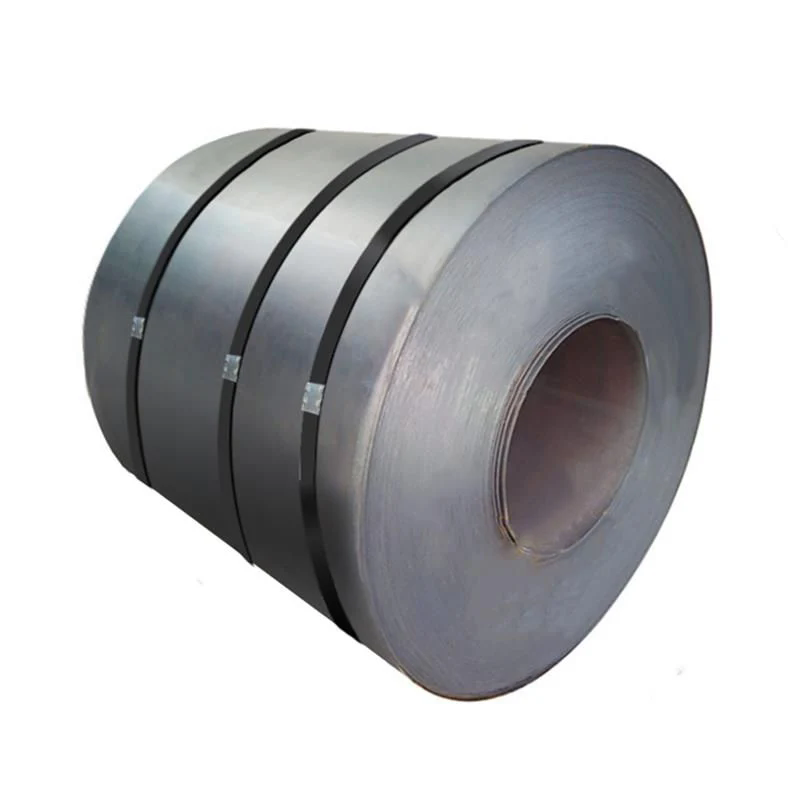
Table of Contents
- Carbon Steel Coil Overview
- Common Customer Pain Points
- Types of Carbon Steel Coil
- How to Select the Right Carbon Steel Coil
- Processing Methods and Performance Factors
- Carbon Steel Coil Comparison Table
- Quality Control and Standards
- Key Application Scenarios
- Frequently Asked Questions
- Conclusion and Contact Us
Carbon Steel Coil Overview
Carbon steel coil is manufactured by rolling steel into thin, continuous sheets and then coiling it for transport and storage. Its high tensile strength, uniform thickness, and flexibility make it suitable for a wide range of industrial uses. The material's properties can be customized through chemical composition and rolling processes to meet specific performance requirements.
Wanhetong Steel (shandong) Co., Ltd. produces carbon steel coils that comply with international standards, ensuring consistent quality and performance for demanding applications.
Common Customer Pain Points
Despite its widespread use, many customers encounter challenges when sourcing or using carbon steel coil. Addressing these pain points is critical for successful project execution:
- Inconsistent coil thickness and width across batches
- Surface defects such as scratches, rust, or scale
- Difficulty in bending or forming due to high hardness
- Poor weldability with certain grades
- Delayed supply affecting production timelines
Understanding these issues helps manufacturers select the appropriate grade and supplier, minimizing production risks and improving efficiency.
Types of Carbon Steel Coil
Carbon steel coils can be categorized based on carbon content, rolling method, and treatment process. Each type offers unique benefits suited for specific applications.
- Low Carbon Steel Coil (≤0.25% C) – Highly ductile and easily formed, ideal for automotive panels and construction materials
- Medium Carbon Steel Coil (0.25%-0.60% C) – Balanced strength and formability, suitable for structural components and machinery parts
- High Carbon Steel Coil (≥0.60% C) – High hardness and tensile strength, commonly used in springs, tools, and heavy-duty equipment
- Hot Rolled Steel Coil (HR) – Manufactured at high temperatures, provides excellent weldability and is cost-effective for large-scale applications
- Cold Rolled Steel Coil (CR) – Offers precise dimensions, smooth surface finish, and improved mechanical properties, used in automotive, appliances, and precision engineering
How to Select the Right Carbon Steel Coil
Selecting the appropriate carbon steel coil requires evaluating several factors to ensure optimal performance and longevity.
- Application requirements (strength, hardness, corrosion resistance)
- Carbon content and mechanical properties
- Surface finish and flatness
- Coil size, thickness, and weight
- Compatibility with welding, cutting, or forming processes
Consulting with experienced suppliers like Wanhetong Steel (shandong) Co., Ltd. can help match the right coil type with project-specific needs, ensuring quality and efficiency.
Processing Methods and Performance Factors
The performance of carbon steel coil is influenced not only by its composition but also by the processing methods used during production. Key factors include:
- Hot rolling vs. cold rolling and their effect on mechanical properties
- Heat treatment for improved hardness and strength
- Pickling or coating to prevent surface corrosion
- Dimensional accuracy achieved through precise rolling and trimming
Proper handling during storage and transportation also affects coil quality, minimizing damage and maintaining uniformity.
Carbon Steel Coil Comparison Table
| Type | Carbon Content | Key Advantages | Typical Applications |
|---|---|---|---|
| Low Carbon Coil | ≤0.25% | Easy forming, cost-effective | Automotive panels, construction materials |
| Medium Carbon Coil | 0.25%-0.60% | Balanced strength and ductility | Structural components, machinery parts |
| High Carbon Coil | ≥0.60% | High hardness and tensile strength | Springs, tools, heavy-duty equipment |
| Hot Rolled Coil | Varies | Cost-effective, good weldability | Construction, large-scale fabrication |
| Cold Rolled Coil | Varies | Precise dimensions, smooth surface | Automotive, appliances, precision parts |
Quality Control and Standards
Quality control is critical to ensuring consistent performance of carbon steel coils. Key procedures include:
- Material certification and chemical analysis
- Mechanical property testing (tensile strength, yield strength, elongation)
- Dimensional inspection (thickness, width, flatness)
- Surface quality assessment (rust, scratches, defects)
- Compliance with international standards (ASTM, JIS, EN)
Wanhetong Steel (shandong) Co., Ltd. adheres to rigorous quality assurance practices, ensuring each coil meets both customer specifications and global industry standards.
Key Application Scenarios
Carbon steel coils are applied in numerous industrial sectors, supporting both structural and functional requirements:
- Construction: steel frames, roofing, pipelines
- Automotive: body panels, chassis, engine components
- Industrial machinery: gears, shafts, fabrication parts
- Appliances: panels, housings, structural elements
- Energy sector: transformers, tanks, pressure vessels
Frequently Asked Questions
What is the difference between hot rolled and cold rolled carbon steel coil?
Hot rolled coils are processed at high temperatures, offering good weldability and cost efficiency. Cold rolled coils are processed at room temperature, providing precise dimensions and a smoother surface.
How does carbon content affect steel coil performance?
Lower carbon content improves ductility and formability, while higher carbon increases hardness and tensile strength.
Can carbon steel coils be welded easily?
Yes, low and medium carbon coils generally have good weldability, whereas high carbon coils may require preheating or special techniques.
How to prevent surface corrosion during storage?
Proper coating, controlled humidity, and protective packaging help prevent rust and surface damage.
Conclusion and Contact Us
Carbon steel coil is a fundamental material that enhances efficiency, durability, and versatility across industrial applications. By understanding types, selection criteria, processing methods, and quality standards, businesses can minimize defects, optimize production, and improve overall project outcomes.
Wanhetong Steel (shandong) Co., Ltd. provides high-quality carbon steel coils with reliable performance tailored to various industrial requirements. If you are looking to source durable, precision-engineered carbon steel coils or need guidance for your specific projects, contact us today to explore how our solutions can support your production goals.