

How Does an Infrared Tunnel Oven Improve Industrial Heating Efficiency?
2026-07-16
Article Summary
An Infrared Tunnel Oven is an advanced industrial heating solution designed to provide fast, uniform, and energy-efficient heating for various manufacturing processes. Compared with traditional heating equipment, infrared tunnel ovens use infrared radiation technology to transfer heat directly to products, reducing heat loss and improving production efficiency.
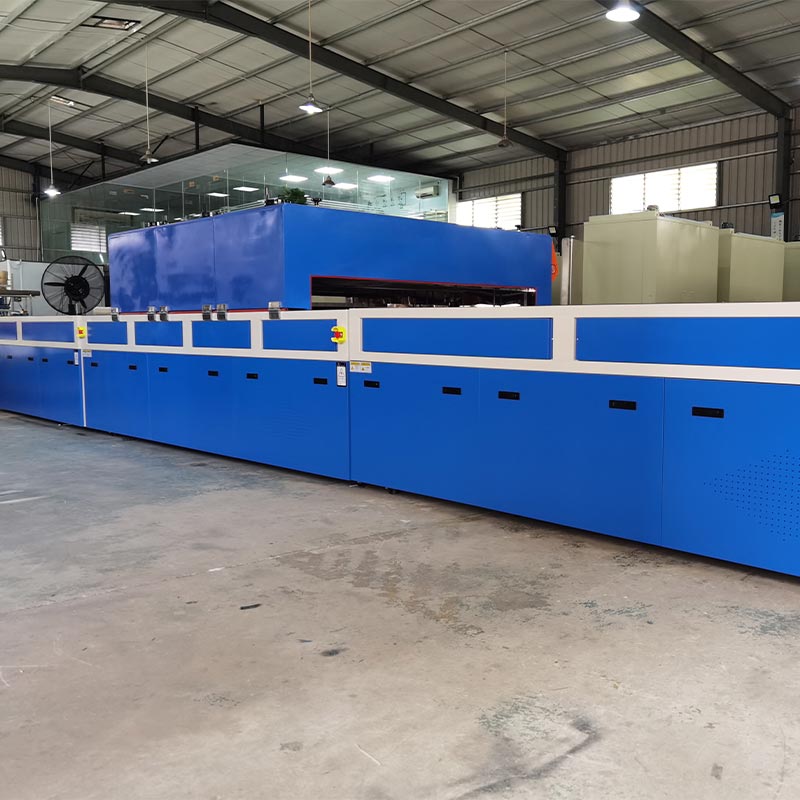
For manufacturers facing challenges such as uneven heating, high energy consumption, long processing times, and unstable product quality, choosing the right infrared heating system can significantly improve production performance. This article explains how infrared tunnel ovens work, their advantages, application fields, and how businesses can select a reliable industrial heating solution. Dingfeng provides professional infrared tunnel oven solutions designed to meet different production requirements and help manufacturers achieve more efficient automation processes.
Table of Contents
- 1. What Is an Infrared Tunnel Oven?
- 2. How Does an Infrared Tunnel Oven Work?
- 3. Why Do Manufacturers Choose Infrared Tunnel Ovens?
- 4. What Industries Can Use Infrared Tunnel Ovens?
- 5. How to Select the Right Infrared Tunnel Oven?
- 6. How to Maintain an Infrared Tunnel Oven for Long-Term Performance?
- 7. Future Development Trends of Infrared Heating Technology
- 8. Frequently Asked Questions About Infrared Tunnel Ovens
Article Outline
- Understanding the structure and heating principle of infrared tunnel ovens
- Exploring solutions for common industrial heating problems
- Analyzing production benefits brought by infrared heating technology
- Helping manufacturers choose suitable tunnel oven equipment
- Providing practical maintenance and operation guidance
What Is an Infrared Tunnel Oven?
An Infrared Tunnel Oven is a continuous industrial heating machine that uses infrared radiation elements to heat products while they move through a tunnel-shaped chamber. Unlike conventional ovens that mainly depend on hot air circulation, infrared technology transfers thermal energy directly to the surface of materials, allowing faster heating and better temperature control.
The equipment usually consists of several key components, including an infrared heating system, conveyor system, temperature control unit, insulation structure, and automatic operation system. Products enter one side of the tunnel oven through the conveyor, pass through different heating zones, and exit after completing the required heating, drying, curing, or baking process.
Modern manufacturing requires faster production speeds and consistent product quality. Traditional heating methods may create problems such as long warm-up periods, excessive energy consumption, and inconsistent temperature distribution. Infrared tunnel ovens are developed to solve these challenges by providing accurate and efficient heat transfer.
How Does an Infrared Tunnel Oven Work?
The working principle of an infrared tunnel oven is based on infrared radiation. Infrared heating elements generate electromagnetic waves that directly transfer energy to the surface molecules of products. When these molecules absorb infrared energy, they rapidly increase temperature and achieve the required heating effect.
The heating process usually includes several stages:
- Product Loading: Products are placed onto the conveyor system and automatically transported into the oven.
- Preheating Zone: Materials gradually increase temperature to prepare for the main heating process.
- Infrared Heating Zone: Infrared emitters provide concentrated thermal energy for rapid heating.
- Temperature Holding Zone: Products remain at a controlled temperature to complete curing or drying.
- Cooling and Output: Finished products leave the oven and continue to the next production step.
The precise temperature control system allows operators to adjust heating intensity, conveyor speed, and zone temperature according to different product requirements. This flexibility makes infrared tunnel ovens suitable for many industrial applications.
Why Do Manufacturers Choose Infrared Tunnel Ovens?
Manufacturers often experience several heating-related difficulties, including rising energy costs, production delays, and inconsistent product performance. Infrared tunnel ovens provide effective solutions to these problems.
- Faster Heating Speed: Infrared radiation directly heats products without wasting excessive energy on heating surrounding air, significantly shortening processing time.
- Improved Energy Efficiency: The direct heat transfer method reduces unnecessary heat loss and helps factories lower operating costs.
- Uniform Heating Performance: Multiple heating zones and intelligent temperature control systems help maintain stable heating results.
- Better Production Automation: The conveyor-based design allows continuous production with reduced manual operation.
- Flexible Application Capability: Heating parameters can be adjusted for different materials, sizes, and production requirements.
For companies looking to improve manufacturing efficiency, investing in reliable infrared heating equipment can create long-term benefits. Dingfeng focuses on providing industrial automation equipment solutions that help customers optimize production processes and improve product consistency.
What Industries Can Use Infrared Tunnel Ovens?
Infrared tunnel ovens are widely used across different industries because of their efficient heating performance and flexible design. They are especially valuable in production environments requiring continuous processing.
- Food Processing Industry: Used for baking, drying, heating, and surface treatment of food products.
- Electronics Manufacturing: Applied for curing coatings, drying components, and improving assembly processes.
- Automotive Industry: Used for paint curing, adhesive curing, and surface heating applications.
- Packaging Industry: Suitable for shrink film processing, printing drying, and packaging material treatment.
- Plastic and Rubber Industry: Helps improve molding processes and material performance.
- Industrial Coating Applications: Provides controlled heating for powder coating and surface finishing.
Because each industry has different production requirements, customized infrared tunnel oven designs can provide better results than standard heating equipment.
How to Select the Right Infrared Tunnel Oven?
Choosing an appropriate infrared tunnel oven requires careful consideration of production conditions, product characteristics, and operational goals. A suitable machine should not only meet current requirements but also support future production expansion.
- Understand Heating Requirements: Determine the required temperature range, heating time, and processing method before selecting equipment.
- Evaluate Production Capacity: Conveyor speed and tunnel size should match the expected production volume.
- Consider Energy Consumption: Efficient heating systems can reduce long-term operating expenses.
- Check Temperature Control Accuracy: Advanced control systems help maintain stable product quality.
- Choose a Reliable Manufacturer: Professional equipment suppliers can provide technical support, customization, and after-sales service.
Dingfeng understands that different industries require different heating solutions. By combining practical manufacturing experience with advanced automation technology, Dingfeng helps customers develop suitable infrared tunnel oven systems for their applications.
How to Maintain an Infrared Tunnel Oven for Long-Term Performance?
Proper maintenance is essential for ensuring stable operation and extending equipment service life. Regular inspection can prevent unexpected downtime and maintain heating efficiency.
- Clean infrared heating elements regularly to prevent dust accumulation.
- Check conveyor systems to ensure smooth product transportation.
- Inspect temperature sensors and control systems for accuracy.
- Maintain proper insulation performance to reduce heat loss.
- Schedule professional inspections according to production conditions.
A well-maintained infrared tunnel oven can provide reliable performance for many years while reducing repair costs and improving production stability.
Future Development Trends of Infrared Heating Technology
As industries continue moving toward intelligent manufacturing and energy-saving production, infrared heating technology is expected to become increasingly important. Future infrared tunnel ovens will focus on smarter control systems, improved energy management, and higher levels of automation.
Technologies such as digital monitoring, automatic temperature adjustment, and intelligent production integration will help manufacturers achieve greater efficiency. These improvements allow companies to reduce waste, improve product quality, and create more sustainable production processes.
Dingfeng continues to focus on industrial automation innovation, providing customers with advanced heating equipment solutions that support modern manufacturing needs.
Frequently Asked Questions About Infrared Tunnel Ovens
Q1: What is the main advantage of an infrared tunnel oven?
The main advantage is efficient direct heating. Infrared radiation transfers heat directly to products, resulting in faster processing speed, better energy utilization, and more consistent heating performance.
Q2: Can an infrared tunnel oven be customized?
Yes. Infrared tunnel ovens can be customized according to product size, heating temperature, conveyor requirements, production capacity, and automation needs.
Q3: Are infrared tunnel ovens energy-saving?
Yes. Compared with traditional heating methods, infrared heating reduces unnecessary heat loss by transferring energy directly to products, helping manufacturers improve energy efficiency.
Q4: How long can an infrared tunnel oven operate?
The service life depends on equipment quality, operating conditions, and maintenance practices. Regular inspection and proper maintenance can significantly extend equipment performance.
Q5: Why choose Dingfeng for an infrared tunnel oven solution?
Dingfeng provides professional industrial automation solutions with a focus on reliable equipment design, efficient heating performance, and customized services to meet different customer requirements.
Conclusion
An Infrared Tunnel Oven offers an effective solution for manufacturers seeking faster heating speed, improved energy efficiency, and stable production quality. Through advanced infrared technology, continuous heating design, and precise temperature management, this equipment helps businesses overcome many traditional heating challenges.
Whether used in food processing, electronics, automotive manufacturing, packaging, or industrial coating applications, infrared tunnel ovens provide reliable performance and flexible production advantages. Dingfeng is committed to delivering high-quality automation heating solutions that support customers in achieving more efficient and competitive manufacturing operations.
If you need a customized infrared tunnel oven solution for your production line, please contact us today to discuss your requirements with Dingfeng professional team.
