

How Does an Inflatable Pump Ensure Faster, Safer, and More Precise Inflation Across Multiple Applications?
2025-12-12
Inflatable pumps have become indispensable tools across consumer, industrial, automotive, outdoor, and emergency-response environments. They support reliable inflation for tires, sports equipment, inflatable structures, watercraft, air mattresses, and field tools that demand consistent pressure.
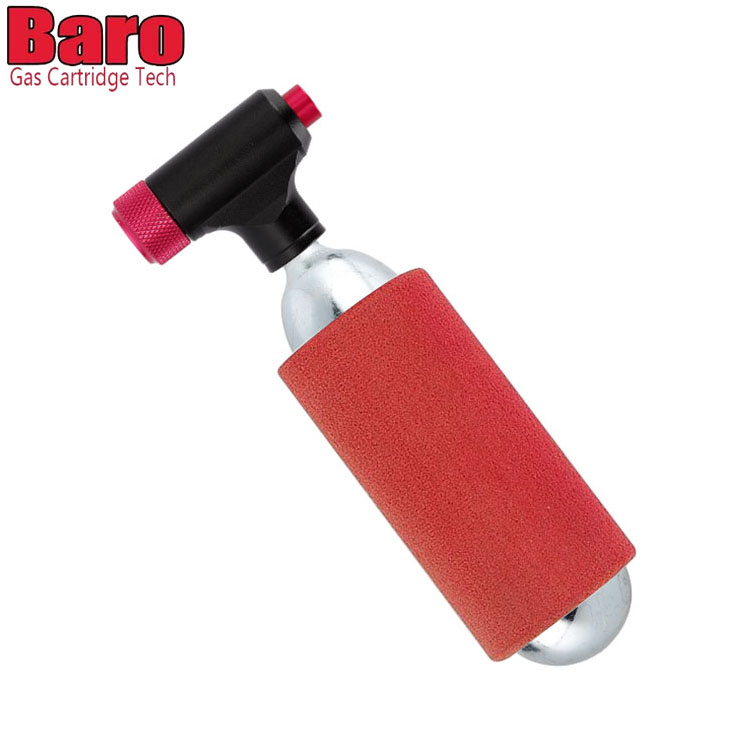
Below is a consolidated product parameter set structured to demonstrate professional standards:
Technical Specifications Overview
| Parameter Category | Specification Details |
|---|---|
| Motor Power | 120W–180W high-efficiency DC motor |
| Inflation Pressure Range | 0–150 PSI / 0–10.3 BAR (multiple unit readings) |
| Airflow Rate | 25–35 L/min depending on model |
| Pressure Control | Automatic shut-off with ±0.1 PSI precision |
| Power Input Options | 12V vehicle adapter, 110–240V AC, USB-C rechargeable lithium battery |
| Battery Capacity (Cordless Models) | 2000–8000 mAh |
| Display System | Digital backlit pressure gauge with real-time monitoring |
| Hose & Valve Compatibility | Presta, Schrader, and multi-nozzle set |
| Housing Materials | ABS reinforced polymer / aluminum alloy |
| Safety Features | Overheat protection, overcharge protection, pressure monitoring |
| Noise Level | 75–85 dB depending on motor architecture |
| Working Temperature | −10°C to 50°C operational threshold |
| Weight | 0.8–2.5 kg depending on variant |
How Does an Inflatable Pump Operate with Consistent Output Across Different Use Cases?
Inflatable pumps function through a controlled air-compression mechanism that pressurizes air and delivers it into an inflatable chamber. A high-speed DC motor drives an internal piston or turbine that generates a steady airflow, which is then measured through a pressure-sensing system to deliver the required inflation level. As application needs vary widely—ranging from vehicle tires to high-pressure sports gear—the pump must accommodate different pressure ranges, thermal load profiles, and valve standards. This capability is enabled by a combination of advanced sensors, reinforced mechanical components, and output-regulation firmware that ensure safety and accuracy.
Portable pumps rely on lightweight lithium-ion batteries that retain high output power without excessive heat accumulation. Vehicle-powered models integrate 12V compatibility, making them suitable for roadside emergencies. Larger AC models are deployed in workshops or field settings where long durations and high airflows are required. In each case, airflow stability, motor durability, sensor accuracy, and safety circuit reliability determine whether a pump maintains consistent inflation performance during extended use.
As global transportation, tourism, and outdoor industries expand, inflatable pump demand continues to rise. This growth has triggered advancements such as digital gauges, automatic shut-off features, quiet-run motor systems, and multi-power-source integration. These enhancements aim to address user expectations for efficiency, precision, portability, and safety.
How Do Inflation Pressure, Power Sources, and Motor Design Affect Real-World Performance?
Motor efficiency directly influences airflow delivery, inflation speed, noise output, and thermal stability. High-performance pumps use copper-core motors or brushless designs to sustain long-term usage with reduced friction and heat generation. Inflation pressure is regulated through sensor arrays that continually monitor internal airflow and external pressure feedback, allowing the device to stop automatically once a target PSI is reached.
Power source selection drastically alters operational flexibility. Cordless pumps provide mobility for outdoor recreation, cycling, and remote environments. Vehicle-powered 12V pumps are typically stronger and support continuous operation, making them common in automotive contexts. AC-powered pumps, on the other hand, are designed for heavy-duty tasks requiring long runtimes such as inflating large structures or supporting workshop operations.
User environments also influence performance. Cold climates can reduce battery efficiency, making 12V or AC pumps preferable. High-pressure inflation, such as road bike tires, requires precision control to avoid overinflation. Large-volume inflatables like kayaks or air beds demand strong airflow but lower pressure. Understanding these distinctions allows customers to match pump specifications to their daily operational needs.
How Is the Inflatable Pump Market Expected to Evolve with Increasing Demand for Efficiency and Portability?
Inflatable pump technology is experiencing rapid transformation as consumers and industries prioritize multi-functionality, digital control systems, and safety assurance. Trends include:
• Integration of fast-charging batteries capable of maintaining high current output.
• Adoption of brushless motors for quieter, longer-lasting operation.
• Development of ultra-compact pumps using high-density power cells.
• Expansion of digital monitoring interfaces with smart pressure algorithms.
• Incorporation of thermal-control systems to prevent motor overheating.
• Broader compatibility with valves used in automotive, water sports, and industrial settings.
Industrial and transportation sectors increasingly rely on portable pumps as part of their operational toolkits. Cycling communities favor precision-controlled pumps for tire optimization, while outdoor users adopt high-airflow pumps for inflatable shelters and equipment. These market trends indicate a shift toward devices that combine compact size with high output and intelligent control capabilities.
With global manufacturing standards tightening, durability and user safety have become decisive factors. This encourages the production of pumps that meet international testing protocols and incorporate reinforced materials that withstand high-pressure cycles. Future developments may include integrated diagnostic systems that provide maintenance alerts, enhanced moisture resistance for marine environments, and expanded cross-compatibility modes for diverse valve systems.
How Can Users Choose an Inflatable Pump That Meets Their Daily Performance and Safety Requirements?
Selecting the correct pump requires evaluating inflation scenarios, pressure requirements, operational duration, and environmental constraints. Users working with automotive tires should prioritize pumps offering 120–150 PSI, robust heat-dissipation structures, and fast airflow. Cyclists may require a compact pump with precise PSI control for narrow high-pressure tires. Outdoor enthusiasts should focus on models offering high airflow, multiple power options, and reinforced hoses suitable for bulky inflatable structures.
Digital interfaces are important for accuracy. Pumps equipped with backlit readouts allow users to monitor real-time pressure, making nighttime or roadside operations safer. Automatic shut-off functions prevent overinflation. Integrated cooling systems prolong motor life by preventing thermal overload during long inflation cycles. Accessories such as multi-nozzle sets expand the range of compatible inflatables, enhancing pump versatility.
Ergonomic design also matters. Grip texture, weight balance, cooling vent placement, and hose length influence ease of use. Moreover, safety mechanisms—including surge protection, pressure cutoff, and fire-retardant materials—provide added assurance in unpredictable conditions. Thoroughly evaluating these characteristics ensures the pump can accommodate repeated use without performance degradation.
Common FAQs
Q: How long can an inflatable pump operate continuously without overheating?
A: Continuous operation depends on motor efficiency, airflow output, and cooling design. High-efficiency pumps with integrated thermal-control systems typically support 10–20 minutes of non-stop use, while heavy-duty AC models may operate longer due to improved ventilation. Environmental factors such as ambient temperature also influence runtime. Selecting a pump with reinforced cooling channels and overheat protection ensures safer extended use.
Q: How accurate is the pressure reading on a digital inflatable pump?
A: High-quality pumps feature sensor modules capable of delivering readings with an accuracy range of ±0.1 PSI. This precision is crucial for automotive and cycling applications where correct tire pressure affects safety, handling, and fuel efficiency. Calibration consistency and digital gauge clarity contribute to reliable long-term performance.
Inflatable pumps continue to play a pivotal role in supporting mobility, recreation, and industrial operations as expectations rise for accuracy, portability, and speed. Brands that invest in robust engineering, advanced pressure-control systems, and durable materials set benchmarks for reliability in this growing market. Baro has committed to delivering pumps that align with global performance standards and the evolving needs of users across multiple sectors. For detailed specifications, customized solutions, or procurement inquiries, contact us to explore full product options.