

How Does an Extruder Screw Barrel Work?
2026-03-12
Summary: The extruder screw barrel is a critical component in the extrusion process, responsible for material melting, mixing, and conveying. Understanding its structure, working principles, common issues, and maintenance tips can significantly improve production efficiency and reduce downtime. This guide provides a comprehensive overview to help manufacturers optimize extrusion operations.
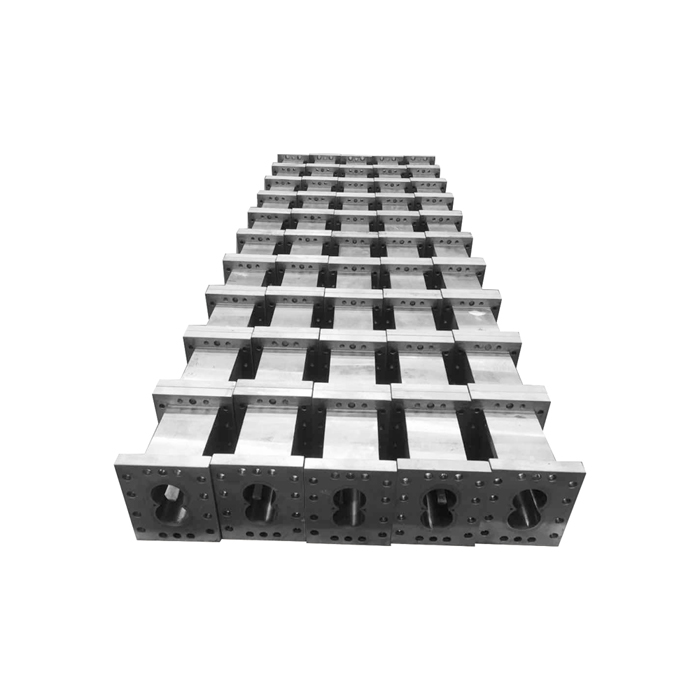
Table of Contents
- Introduction to Extruder Screw Barrels
- Structure and Design
- Materials and Coatings
- Working Principle
- Common Problems and Solutions
- Maintenance Tips
- FAQs
- Contact Us
Introduction to Extruder Screw Barrels
An extruder screw barrel is the heart of an extrusion machine. It works in tandem with the screw to melt, mix, and convey materials such as plastics, rubber, or food products. The barrel ensures uniform temperature distribution and proper shear, which directly affects product quality.
Manufacturers rely on high-performance screw barrels to maintain efficiency, minimize wear, and achieve consistent output. Selecting the right barrel design is critical for specific extrusion applications.
Structure and Design
The extruder screw barrel consists of several key sections:
- Feed Zone: Accepts raw material and begins initial melting.
- Compression Zone: Compresses and heats material through friction and shear.
- Metering Zone: Delivers uniform material flow for shaping and molding.
- End Plate & Nozzle Interface: Connects the barrel to downstream equipment.
Each zone is carefully designed to optimize flow, temperature, and pressure. Barrel length, diameter, and screw design are matched to the type of material and extrusion requirements.
Materials and Coatings
Extruder screw barrels are typically made from high-strength steel alloys to withstand mechanical stress and thermal cycling. Common choices include:
| Material | Properties | Application |
| Chromium-molybdenum steel | High wear resistance, moderate corrosion resistance | General plastics extrusion |
| Stainless steel | Corrosion resistance, durable under high moisture | Food and medical extrusion |
| Nitrided steel | Surface hardness, wear resistance | High-abrasion materials |
Advanced barrels often feature coatings such as hard chrome plating, nitriding, or thermal spray coatings to extend lifespan and reduce maintenance frequency.
Working Principle
The operation of an extruder screw barrel can be summarized in three stages:
- Feeding: Raw material enters the feed zone and begins initial melting through friction and barrel heating.
- Melting and Mixing: In the compression zone, the screw applies shear and pressure to fully melt and homogenize the material.
- Metering and Conveying: The material is uniformly pushed through the metering zone toward the die or nozzle, ensuring consistent flow and product quality.
Proper temperature control and screw design are critical. Too high a temperature may degrade the material, while too low can result in incomplete melting and poor product quality.
Common Problems and Solutions
Manufacturers often encounter issues with extruder screw barrels. Typical problems include:
- Wear and Tear: Abrasive materials can erode the barrel surface. Solution: Use wear-resistant coatings or high-hardness alloys.
- Overheating: Excess friction may damage materials. Solution: Optimize barrel temperature settings and cooling systems.
- Material Sticking: Sticky polymers may cling to the barrel wall. Solution: Apply non-stick coatings or adjust screw design for better flow.
- Leakage: Poor sealing between barrel and end plate. Solution: Ensure proper alignment and use high-quality seals.
Maintenance Tips
Regular maintenance extends the service life of an extruder screw barrel:
- Inspect barrel and screw surfaces for wear periodically.
- Maintain proper lubrication and cooling.
- Clean the barrel thoroughly after material changeovers.
- Replace seals and gaskets to prevent leakage.
- Monitor temperature and pressure during operation to avoid overheating or underperformance.
FAQs
-
Q1: How often should an extruder screw barrel be replaced?
A1: Replacement depends on material abrasiveness and usage. Typically, high-wear materials require more frequent inspection and possible replacement every 1-2 years. -
Q2: Can I retrofit my existing extruder with a new barrel?
A2: Yes, most extruders can accommodate new barrels if the dimensions match. EJS offers custom solutions for retrofit needs. -
Q3: How do coatings improve barrel performance?
A3: Coatings enhance wear resistance, reduce friction, and prevent corrosion, significantly extending barrel life and improving material flow.
Contact Us
At EJS, we specialize in high-performance extruder screw barrels tailored to your production needs. Whether you require custom designs, advanced coatings, or maintenance support, our team is ready to optimize your extrusion process. Contact us today to discuss your requirements and enhance your manufacturing efficiency.