

How Does an Expansion Joint Improve Structural Safety and Performance?
2026-08-27
Article Summary
Expansion joints are essential components used in bridges, buildings, pipelines, industrial equipment, and various engineering structures to absorb thermal movement, vibration, and mechanical stress. Without a properly designed expansion joint, structures may experience cracks, deformation, leakage, or premature failure caused by repeated expansion and contraction. This article explains how an Expansion Joint works, why it is important, how to choose the right solution, and how Yangzhou Tianshun provides reliable products to solve common engineering challenges.
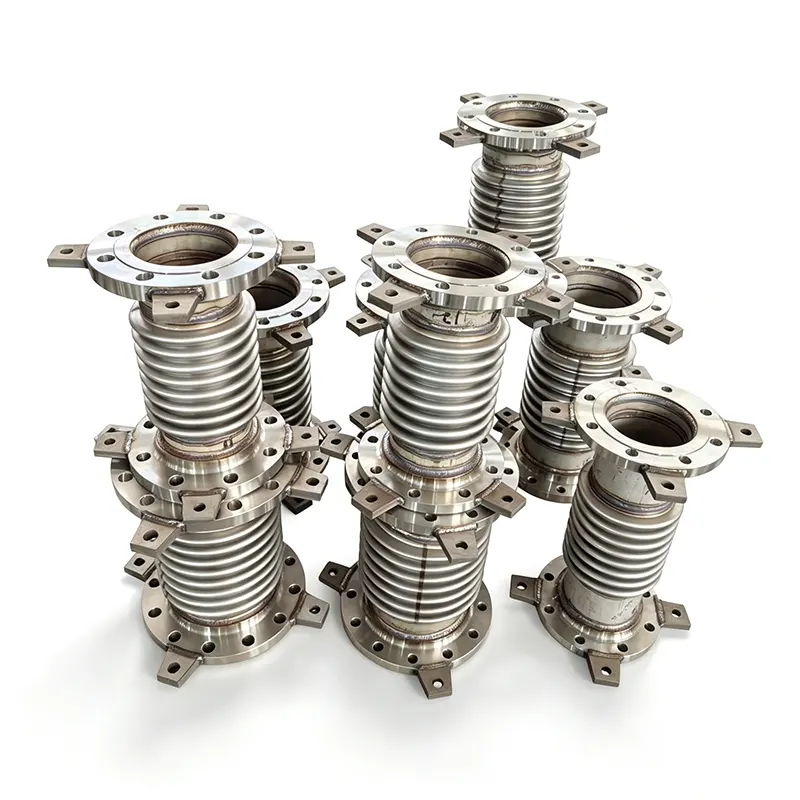
Table of Contents
- What Is an Expansion Joint?
- Why Are Expansion Joints Needed in Engineering Projects?
- How Does an Expansion Joint Work?
- Common Types of Expansion Joints and Their Applications
- How to Select the Right Expansion Joint?
- Key Advantages of Using Quality Expansion Joints
- Maintenance Tips for Long-Term Performance
- Frequently Asked Questions
What Is an Expansion Joint?
An Expansion Joint is a specially designed connection component that allows controlled movement between two sections of a structure. It is mainly used to accommodate dimensional changes caused by temperature variations, pressure fluctuations, vibration, settlement, or mechanical movement.
Most construction materials, including steel, concrete, rubber, and composite materials, naturally expand when heated and contract when cooled. Although these movements may appear small, repeated cycles over years can create significant stress inside a structure. Expansion joints provide the necessary flexibility to prevent excessive stress accumulation.
In modern engineering applications, Expansion Joints are widely used in:
- Highway bridges and railway bridges
- Commercial buildings and industrial plants
- Pipeline systems
- Power generation facilities
- Marine structures
- HVAC and mechanical systems
- Manufacturing equipment connections
Yangzhou Tianshun develops Expansion Joint solutions designed to meet different application requirements, helping customers improve structural durability while reducing maintenance costs.
Why Are Expansion Joints Needed in Engineering Projects?
Many engineering failures are related to insufficient movement control. When structures do not have enough flexibility, external forces are transferred directly into materials and connection points. Over time, this can lead to serious operational problems.
| Potential Problem | Cause Without Expansion Joint | How Expansion Joint Helps |
|---|---|---|
| Cracking | Thermal expansion creates internal stress | Allows controlled movement and reduces stress concentration |
| Leakage | Movement damages rigid connections | Maintains sealing performance during movement |
| Structural deformation | Materials expand beyond design limits | Provides necessary flexibility |
| Equipment damage | Vibration transfers between components | Absorbs vibration and mechanical movement |
For large-scale infrastructure projects, even a small amount of uncontrolled movement can create expensive repair requirements. Installing a suitable Expansion Joint during the design stage helps engineers avoid these risks and extend service life.
How Does an Expansion Joint Work?
An Expansion Joint works by providing a flexible transition area between connected structures. Instead of forcing two rigid sections to remain fixed, the joint allows them to move within a controlled range.
The working process generally includes three important functions:
- Movement Absorption: The joint absorbs expansion and contraction caused by temperature changes.
- Stress Reduction: It reduces pressure transferred between structural components.
- Protection Function: It prevents cracks, gaps, and damage caused by repeated movement.
Different Expansion Joint designs use various materials and structures depending on the working environment. Rubber, metal, composite materials, and reinforced components are commonly selected based on temperature range, pressure conditions, corrosion resistance, and movement requirements.
For example, bridge Expansion Joints must handle vehicle loads, weather exposure, and continuous movement, while industrial pipeline joints may need to resist high temperatures and chemical environments.
Common Types of Expansion Joints and Their Applications
Choosing the correct type of Expansion Joint is important because different engineering conditions require different designs. Understanding the major categories helps project managers and engineers make better decisions.
| Expansion Joint Type | Main Features | Typical Applications |
|---|---|---|
| Metal Expansion Joint | High temperature resistance and excellent durability | Pipelines, industrial systems, power plants |
| Rubber Expansion Joint | Good vibration absorption and flexibility | Pumps, HVAC systems, water systems |
| Bridge Expansion Joint | Designed for heavy loads and outdoor environments | Highways, bridges, transportation structures |
| Fabric Expansion Joint | Lightweight and resistant to chemical environments | Exhaust systems and industrial equipment |
The selection process should consider movement capacity, operating temperature, pressure level, installation environment, and expected service life.
How to Select the Right Expansion Joint?
Selecting a suitable Expansion Joint requires careful consideration of the actual operating conditions. A wrong selection may reduce system reliability, increase maintenance frequency, and create unnecessary operational risks. Engineers should evaluate several important factors before making a final decision.
| Selection Factor | Important Considerations | Impact on Performance |
|---|---|---|
| Movement Capacity | Determine the amount of axial, lateral, and angular movement required | Ensures the joint can safely handle structural changes |
| Operating Temperature | Consider minimum and maximum temperature conditions | Prevents material failure caused by thermal stress |
| Pressure Conditions | Evaluate internal pressure and external forces | Maintains stability and sealing performance |
| Installation Environment | Consider moisture, corrosion, chemicals, and weather exposure | Improves durability and service life |
| Maintenance Requirements | Choose designs suitable for inspection and replacement needs | Reduces long-term operating costs |
Before purchasing an Expansion Joint, customers should also confirm product quality, manufacturing experience, and technical support capability. Yangzhou Tianshun focuses on providing dependable Expansion Joint products that meet different industrial requirements through professional design and manufacturing processes.
A high-quality Expansion Joint should not only solve immediate movement problems but also provide stable performance throughout the entire service period. Proper selection helps prevent unexpected downtime and protects valuable infrastructure investments.
Key Advantages of Using Quality Expansion Joints
A reliable Expansion Joint provides multiple benefits for construction projects and industrial systems. The advantages are not limited to movement compensation but also include safety improvement, cost control, and operational efficiency.
- Improved Structural Reliability: Expansion joints reduce stress concentration and help structures maintain their designed performance under changing conditions.
- Extended Service Life: By minimizing cracks, deformation, and connection damage, expansion joints help increase the lifespan of structures and equipment.
- Better Vibration Control: Expansion joints absorb vibration generated by machinery, vehicles, and fluid movement.
- Reduced Maintenance Costs: Preventing damage at an early stage reduces repair requirements and operational interruptions.
- Enhanced Safety: Stable movement control reduces the risk of sudden structural problems caused by excessive stress.
For industries where continuous operation is essential, such as energy, transportation, and manufacturing, selecting a dependable Expansion Joint supplier is a critical decision.
Where Are Expansion Joints Commonly Used?
Expansion Joints are used across many industries because almost every large structure experiences movement caused by temperature changes, vibration, or mechanical forces.
| Industry | Application Example | Main Requirement |
|---|---|---|
| Transportation | Road bridges, railway bridges, airport structures | High load capacity and weather resistance |
| Construction | Buildings, parking structures, large facilities | Movement compensation and crack prevention |
| Energy | Power plants and pipeline networks | High temperature and pressure resistance |
| Manufacturing | Industrial machines and production systems | Vibration reduction and flexible connection |
| Water Treatment | Pumps and pipeline systems | Leak prevention and corrosion resistance |
The wide application range demonstrates the importance of Expansion Joints in modern engineering. Whether used in a small mechanical system or a large infrastructure project, the correct joint design can significantly improve reliability.
Maintenance Tips for Long-Term Expansion Joint Performance
Although Expansion Joints are designed for durability, regular inspection and proper maintenance are necessary to achieve the expected service life. Environmental conditions, operating loads, and installation quality can influence product performance.
- Conduct Regular Inspections: Check for cracks, corrosion, deformation, leakage, or unusual movement.
- Monitor Operating Conditions: Ensure temperature, pressure, and movement levels remain within the designed range.
- Keep Surrounding Areas Clean: Remove debris and contaminants that may affect joint movement.
- Check Installation Components: Inspect bolts, anchors, sealing materials, and connection points.
- Replace Damaged Components Promptly: Early replacement prevents larger structural failures.
Professional maintenance planning helps companies reduce unexpected downtime and maintain stable system operation. Yangzhou Tianshun recommends selecting suitable products according to actual working environments and following proper inspection procedures.
Why Choose Yangzhou Tianshun for Expansion Joint Solutions?
Yangzhou Tianshun provides professional Expansion Joint solutions designed for various engineering applications. With attention to product reliability, structural design, and practical application requirements, the company helps customers solve challenges related to thermal movement, vibration, and structural stress.
Customers often face difficulties such as selecting unsuitable products, unexpected maintenance costs, and insufficient movement capability. Yangzhou Tianshun focuses on understanding application requirements and delivering solutions that provide stable performance and long-term value.
The company’s Expansion Joint products are developed to support different project environments, helping customers achieve safer, more efficient, and more durable engineering systems.
Frequently Asked Questions About Expansion Joint
Q1: What is the main purpose of an Expansion Joint?
An Expansion Joint is designed to absorb movement caused by thermal expansion, contraction, vibration, pressure changes, and structural displacement. It helps prevent damage and improves system reliability.
Q2: Where are Expansion Joints usually installed?
Expansion Joints are commonly installed in bridges, buildings, pipelines, industrial equipment, HVAC systems, and power facilities where movement control is required.
Q3: How long can an Expansion Joint last?
The service life depends on product quality, material selection, operating environment, installation conditions, and maintenance practices. Proper selection and regular inspection can significantly extend performance life.
Q4: How do I choose the correct Expansion Joint?
The correct choice depends on movement requirements, temperature range, pressure conditions, installation environment, and application type. Professional technical guidance can help ensure the right solution.
Q5: Why is product quality important for Expansion Joints?
High-quality Expansion Joints provide better durability, sealing performance, movement capability, and safety. Poor-quality products may lead to frequent repairs and system failures.
Conclusion
Expansion Joints play an important role in protecting structures and industrial systems from movement-related damage. By absorbing thermal expansion, vibration, and mechanical stress, they improve safety, reliability, and long-term performance.
Choosing the right Expansion Joint requires a clear understanding of application conditions, movement requirements, and environmental factors. Working with an experienced manufacturer helps ensure better product performance and reduced maintenance challenges.
Yangzhou Tianshun is committed to providing reliable Expansion Joint solutions for customers who need durable and efficient movement control products. For professional solutions, customized requirements, and product information, please contact us today.
Need a reliable Expansion Joint solution for your project? Contact us now and let Yangzhou Tianshun provide professional support and high-quality products to meet your engineering requirements.