

How Does an Electrical Mechanical Thermostat Improve Temperature Control and Safety?
2026-08-14
Article Summary
An Electrical Mechanical Thermostat is a critical temperature control component used in many electrical appliances to maintain stable operation, improve energy efficiency, and prevent overheating risks. By combining mechanical sensing technology with electrical switching functions, this type of thermostat provides reliable temperature regulation without requiring complex electronic systems. This article explains how Electrical Mechanical Thermostat technology works, the main benefits, common applications, selection considerations, and how manufacturers can choose dependable solutions from experienced suppliers such as JIATAI.
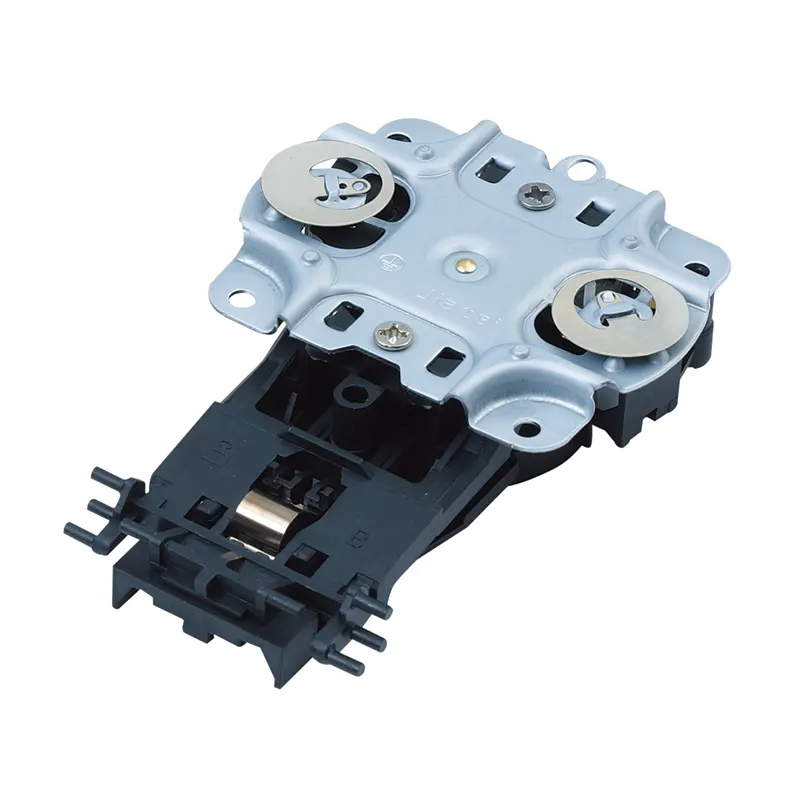
Table of Contents
- What Is an Electrical Mechanical Thermostat?
- How Does an Electrical Mechanical Thermostat Work?
- Why Is an Electrical Mechanical Thermostat Important?
- Where Are Electrical Mechanical Thermostats Used?
- How to Choose the Right Electrical Mechanical Thermostat?
- Why Choose JIATAI for Electrical Mechanical Thermostat Solutions?
- Frequently Asked Questions
What Is an Electrical Mechanical Thermostat?
An Electrical Mechanical Thermostat is a temperature-sensitive switching device designed to automatically control electrical circuits according to temperature changes. Unlike fully electronic temperature controllers, mechanical thermostats operate through physical movement caused by thermal expansion and contraction.
The basic purpose of an Electrical Mechanical Thermostat is to maintain a safe operating temperature range. When the temperature reaches a preset point, the thermostat activates or interrupts the electrical connection, allowing equipment to heat, cool, or shut down automatically.
For manufacturers of household appliances and industrial equipment, selecting a reliable thermostat directly affects product safety, durability, and customer satisfaction. JIATAI specializes in thermostat development and manufacturing, providing temperature control solutions designed for different electrical appliance requirements. :contentReference[oaicite:0]{index=0}
| Feature | Description |
|---|---|
| Temperature Detection | Uses mechanical thermal sensing elements to detect temperature changes. |
| Electrical Switching | Automatically opens or closes circuits based on temperature conditions. |
| Safety Protection | Helps prevent overheating and equipment damage. |
| Long Service Life | Designed for repeated temperature cycles and stable operation. |
How Does an Electrical Mechanical Thermostat Work?
The operating principle of an Electrical Mechanical Thermostat is based on thermal expansion. Most mechanical thermostats use a bimetal element made from two different metals bonded together. Because different metals expand at different rates when heated, the bimetal component bends when the temperature changes.
When the temperature reaches the preset limit, the movement of the bimetal element activates the internal electrical contacts. This action either disconnects power to the heating element or restores power when the temperature drops below the reset point.
The working process can be divided into several steps:
- Temperature Detection: The sensing element monitors surrounding heat conditions.
- Mechanical Movement: Thermal expansion causes the bimetal component to deform.
- Contact Switching: The internal contacts open or close the electrical circuit.
- Temperature Regulation: The connected appliance maintains operation within a safe range.
This simple but effective mechanism makes mechanical thermostats highly reliable for applications requiring repeated switching performance.
Why Is an Electrical Mechanical Thermostat Important?
Modern electrical appliances require accurate temperature management to improve performance and safety. Without proper temperature control, electrical products may experience overheating, reduced efficiency, component damage, or even safety hazards.
An Electrical Mechanical Thermostat provides several important advantages:
| Benefit | How It Helps Customers |
|---|---|
| Reliable Temperature Control | Keeps equipment operating within a stable temperature range. |
| Improved Safety | Reduces overheating risks by automatically disconnecting power. |
| Energy Efficiency | Prevents unnecessary heating operation and saves energy. |
| Simple Structure | Allows easier installation and maintenance. |
| Cost Effectiveness | Provides dependable performance with reasonable production costs. |
For appliance manufacturers, a high-quality thermostat is not just a component but an essential part of product reliability. JIATAI focuses on thermostat research, production, and testing to meet different appliance control requirements. :contentReference[oaicite:1]{index=1}
Where Are Electrical Mechanical Thermostats Used?
Electrical Mechanical Thermostats are widely used in household appliances, commercial equipment, and industrial devices. Their durability and straightforward operating principle make them suitable for environments requiring stable temperature protection.
- Electric Kettles: Controls boiling temperature and provides automatic shut-off protection.
- Coffee Makers: Maintains suitable heating temperatures during operation.
- Steam Irons: Regulates heating levels to improve ironing performance.
- Electric Ovens: Controls cooking temperatures accurately.
- Heating Equipment: Prevents overheating and supports safe operation.
JIATAI provides thermostat products designed for various appliance applications, including electric kettle thermostats, steam iron thermostats, and oven thermostat solutions. :contentReference[oaicite:2]{index=2}
How to Choose the Right Electrical Mechanical Thermostat?
Choosing the correct thermostat requires careful consideration of electrical specifications, operating conditions, and application requirements. An unsuitable thermostat may lead to unstable temperature control or premature failure.
| Selection Factor | Important Consideration |
|---|---|
| Temperature Range | Select a thermostat suitable for the required operating temperature. |
| Voltage and Current Rating | Ensure compatibility with the electrical system. |
| Switching Frequency | Choose products designed for the expected operating cycles. |
| Installation Method | Confirm the thermostat design matches the equipment structure. |
| Safety Requirements | Consider certifications and testing standards. |
Manufacturers should also evaluate supplier experience, production capability, and quality inspection processes before selecting a thermostat partner. JIATAI uses professional testing equipment and quality control procedures to ensure thermostat performance and reliability. :contentReference[oaicite:3]{index=3}
Why Choose JIATAI for Electrical Mechanical Thermostat Solutions?
Selecting a trustworthy thermostat manufacturer helps companies reduce product risks and improve long-term market competitiveness. JIATAI has extensive experience in thermostat design and manufacturing, supporting customers with professional temperature control solutions.
JIATAI focuses on product development, precision manufacturing, and customized thermostat services. The company has built advanced production capabilities and provides solutions for different electrical appliance applications. :contentReference[oaicite:4]{index=4}
Key advantages include:
- Professional thermostat manufacturing experience.
- Strong research and development capabilities.
- Advanced testing equipment for product reliability verification.
- Customized solutions according to customer requirements.
- Stable production capacity for global customers.
For appliance manufacturers looking for dependable temperature control components, working with an experienced supplier can improve product safety, efficiency, and overall performance.
Frequently Asked Questions
Q1: What is the main function of an Electrical Mechanical Thermostat?
The main function is to automatically control electrical circuits according to temperature changes, helping equipment maintain safe and stable operation.
Q2: How long can an Electrical Mechanical Thermostat operate?
Service life depends on design quality, operating environment, and switching frequency. High-quality thermostats are designed to withstand thousands of operating cycles.
Q3: What is the difference between mechanical and electronic thermostats?
Mechanical thermostats use physical thermal movement for switching, while electronic thermostats rely on sensors and digital control circuits. Mechanical models are often preferred for simplicity, durability, and cost efficiency.
Q4: Can JIATAI provide customized thermostat solutions?
Yes. JIATAI provides thermostat solutions based on different appliance designs and customer requirements, including product specifications and application needs. :contentReference[oaicite:5]{index=5}
Q5: Why is thermostat quality important for electrical appliances?
A reliable thermostat improves safety, prevents overheating failures, extends appliance lifespan, and helps manufacturers maintain consistent product performance.
Conclusion
An Electrical Mechanical Thermostat plays an essential role in modern electrical appliances by providing reliable temperature control, safety protection, and efficient operation. Its simple mechanical structure combined with dependable switching performance makes it a valuable solution for many applications.
With professional manufacturing experience and advanced production capabilities, JIATAI continues to provide high-quality thermostat solutions for customers worldwide. If you need reliable temperature control components or customized thermostat solutions, please contact us for professional support and product assistance.