Abstract
Aluminum railing systems have become a leading choice for residential, commercial, and industrial applications due to their exceptional balance of strength, corrosion resistance, and design flexibility. This article explores how aluminum railing addresses common customer concerns such as safety, long-term maintenance, environmental exposure, and aesthetic integration. It also provides a structured breakdown of system types, installation considerations, and real-world applications to help decision-makers choose the right solution with confidence.
Introduction
Aluminum railing systems are widely used across modern architecture because they solve a long-standing problem in building design: how to combine structural safety with visual appeal and low maintenance requirements. Traditional materials such as wood and iron often struggle with corrosion, warping, or frequent upkeep. Aluminum, by contrast, offers a stable and lightweight alternative that performs reliably in both indoor and outdoor environments.
In residential balconies, commercial terraces, staircases, and public infrastructure, aluminum railing has become a preferred solution for engineers, architects, and property owners who require long-term performance without excessive maintenance costs.
Key Benefits of Aluminum Railing
The growing adoption of aluminum railing is driven by a combination of functional and aesthetic advantages. Below are the most important benefits that directly address customer pain points:
-
Corrosion Resistance: Aluminum naturally forms a protective oxide layer, preventing rust even in humid or coastal environments.
-
Lightweight Structure: Easier transportation and installation compared to steel or wrought iron systems.
-
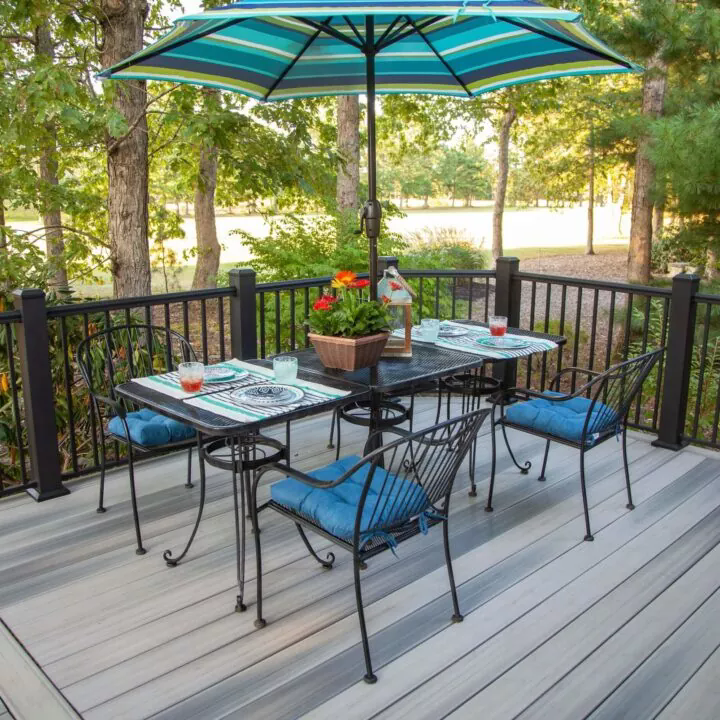
Design Flexibility: Available in various styles, finishes, and powder-coated colors to match architectural themes.
-
Low Maintenance: Requires minimal cleaning and no repainting in most cases.
-
High Safety Standards: Engineered to meet strict load-bearing and building code requirements.
These advantages make aluminum railing especially suitable for projects where long-term cost efficiency and structural reliability are critical.
Common Types of Aluminum Railing Systems
Aluminum railing is not a one-size-fits-all solution. It is available in multiple configurations designed for different structural and aesthetic needs.
-
Vertical Baluster Systems: Traditional style with evenly spaced vertical bars for safety and simplicity.
-
Glass Panel Aluminum Railings: Combines aluminum frames with tempered glass for unobstructed views.
-
Cable Rail Systems: Uses stainless steel cables for a minimalist, modern appearance.
-
Decorative Pattern Railings: Laser-cut or molded designs for architectural emphasis.
Each type offers a different balance between visibility, privacy, and design impact.
Installation Considerations
Proper installation is critical for ensuring both safety and longevity. While aluminum railing systems are generally easier to install than heavier materials, precision is still required.
Key installation factors include:
-
Accurate measurement of mounting surfaces and load points
-
Correct spacing between posts to maintain structural integrity
-
Use of corrosion-resistant fasteners and anchors
-
Alignment with local building codes and safety regulations
Professional installation is often recommended for large-scale or commercial projects to ensure compliance and performance consistency.
Maintenance and Longevity
One of the strongest advantages of aluminum railing is its minimal maintenance requirement. Unlike wood, which requires sealing, or steel, which may require rust treatment, aluminum remains stable under most environmental conditions.
Recommended maintenance practices include:
-
Periodic cleaning with mild soap and water
-
Inspection of fasteners once or twice a year
-
Avoiding abrasive cleaning tools that may damage coatings
With proper care, aluminum railing systems can last decades without significant degradation.
Aluminum vs Other Railing Materials
|
Material
|
Corrosion Resistance
|
Maintenance
|
Weight
|
Design Flexibility
|
|
Aluminum
|
Excellent
|
Low
|
Light
|
High
|
|
Steel
|
Moderate (requires coating)
|
Medium to High
|
Heavy
|
Medium
|
|
Wood
|
Low
|
High
|
Medium
|
High
|
This comparison highlights why aluminum is often selected as a balanced solution across different project requirements.
Application Scenarios
Aluminum railing is used across a wide range of environments due to its adaptability and compliance with safety standards.
-
Residential balconies and terraces
-
Commercial office buildings
-
Public walkways and bridges
-
Industrial platforms and staircases
-
Hotel and resort outdoor spaces
Companies such as Vionta provide engineered aluminum railing solutions tailored for both architectural performance and long-term durability, supporting projects from small residential builds to large-scale infrastructure developments.
Common Selection and Installation Mistakes
Despite its advantages, improper selection or installation of aluminum railing systems can reduce performance. Common mistakes include:
-
Choosing insufficient load-rated systems for commercial use
-
Incorrect spacing between posts leading to structural instability
-
Ignoring environmental exposure factors such as salt air in coastal regions
-
Using non-compatible fasteners that accelerate corrosion
Avoiding these errors ensures maximum safety and long-term system reliability.
Frequently Asked Questions
1. Is aluminum railing strong enough for high-rise buildings?
Yes. When properly engineered and installed, aluminum railing meets strict building codes and is suitable for high-rise applications.
2. Does aluminum railing rust over time?
No. Aluminum does not rust. It forms a protective oxide layer that prevents corrosion.
3. Can aluminum railing be customized?
Yes. It can be customized in color, design pattern, height, and infill type.
4. How long does aluminum railing last?
With proper installation and basic maintenance, it can last several decades.
Conclusion
Aluminum railing represents a modern engineering solution that addresses key challenges in safety, durability, and design adaptability. Its resistance to corrosion, ease of maintenance, and wide design flexibility make it suitable for diverse architectural applications. Whether used in residential or commercial environments, it provides a long-term structural advantage with minimal lifecycle cost.
For projects requiring reliable and customizable railing systems, Vionta offers engineered aluminum solutions designed to meet demanding performance standards while supporting modern architectural aesthetics.
If you are planning your next project or need technical guidance, contact us today to explore tailored aluminum railing solutions from Vionta.